The Role of Technology in the Evolution of Modern Pop Art
Throughout the evolution of modern Pop Art, technology has played a pivotal role in both the creation and dissemination of artwork. As we traverse from the initial sparks of the Pop Art movement in the mid-20th century to today’s digitally-infused artistic expressions, technology has been instrumental in transforming artistic processes, styles, and accessibility. In this article, we delve into various ways in which technology has influenced Pop Art, outlining key phases and impacts.
Introduction to the Intersection of Technology and Pop Art
Pop Art has long been associated with vibrant colors, celebrity culture, and commercial imagery – a snapshot of mass media-era aesthetics. However, what remains less highlighted is how technological advancements have continuously reshaped this art form. The intricate relationship between technology and Pop Art has given birth to new creative possibilities, making art more interactive, inclusive, and innovative.
Historical Context of Pop Art
Originating in the late 1950s and reaching its zenith in the 1960s, the Pop Art movement was deeply influenced by consumerism, advertising, and mass production. Key figures like Andy Warhol and Roy Lichtenstein utilized techniques such as silk screening and lithography, which were cutting-edge technologies of their time, to produce artworks that challenged traditional boundaries.
- The rise of television and mass-media provided inspiration and material for artists.
- Silk-screen printing democratized art, allowing for mass production.
- Photography became a key constituent, enabling exploration of popular culture themes.
The Digital Revolution: A Catalyst for Change
The advent of the digital revolution in the late 20th century dramatically altered the landscape of Pop Art. Artists began to explore digital media, embracing technologies such as graphic design software and online platforms to enhance their creative processes.
- Graphic design software, like Adobe Photoshop, provided new tools for image manipulation and creation.
- Digital printing techniques allowed for complex and vibrant artworks.
- Online galleries and social media emerged as new platforms for artists to showcase their work.
Impact on Artistic Techniques and Styles
Technology has facilitated new artistic styles within Pop Art, enabling artists to experiment with a blend of traditional and digital techniques. Today, many artists use a hybrid approach, combining classical methods with digital tools to craft novel styles and narratives.
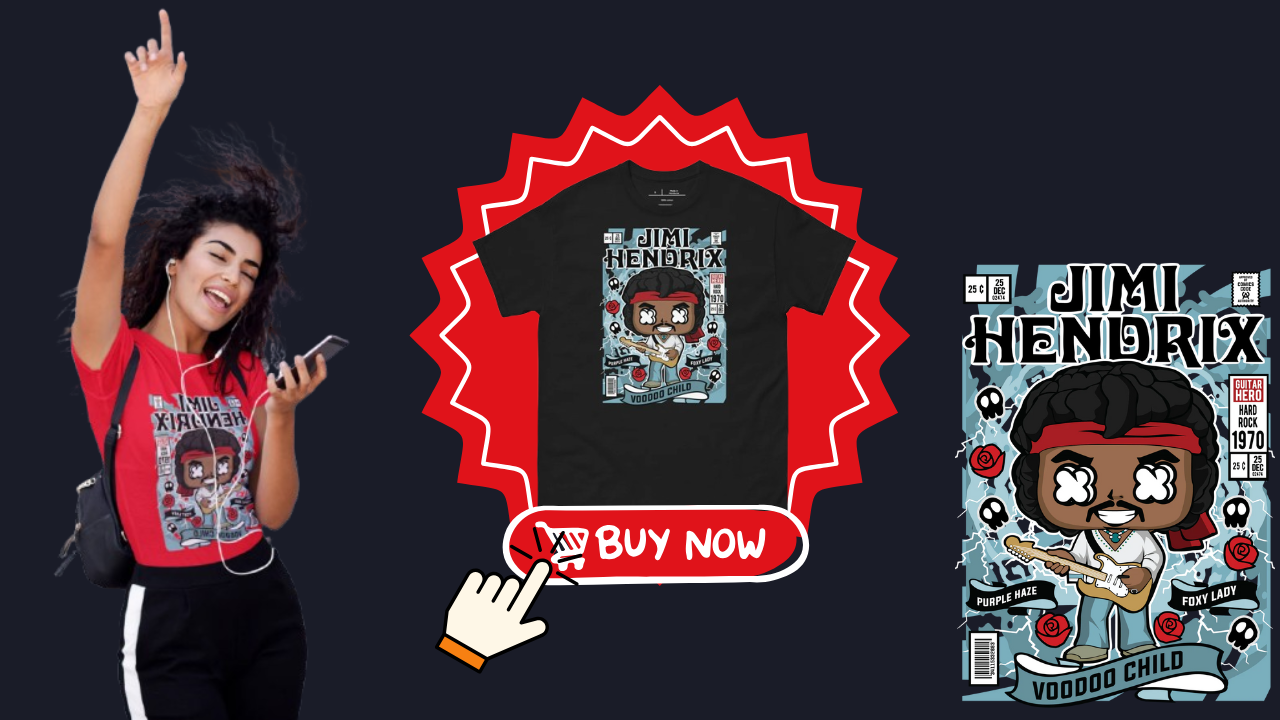
- The integration of mixed media allows for richer textural experiences.
- Virtual reality (VR) and augmented reality (AR) are emerging trends, offering immersive art experiences.
- Artists can produce more intricate designs using 3D modeling and printing technologies.
Enhanced Distribution and Accessibility
Modern technology has made Pop Art more accessible. Artworks are no longer confined to galleries; they can be accessed from anywhere at any time, fostering greater inclusivity and diversity in the art community.
- Social media platforms like Instagram and Pinterest have become pivotal tools for exhibition and promotion.
- Online marketplaces facilitate the sale of digital prints and art merchandise globally.
- The rise of NFTs (Non-Fungible Tokens) has enabled artists to capitalize on digital creations, further democratizing the art market.
Emerging Technologies and Future Prospects
As we move further into the 21st century, new technological innovations promise to propel Pop Art into exciting territories. These emerging technologies are set to redefine how art is created, viewed, and experienced.
- AI and machine learning offer new tools for digital visualization and creativity.
- Blockchain technology is transforming art authentication and ownership.
- Interactive installations leverage sensors and data to create dynamic, participatory experiences.
Conclusion
The integration of technology with Pop Art is a testament to the enduring adaptability and dynamism of the movement. Technology continues to break barriers, enabling artists to expand their horizons and audiences to experience art in unprecedented ways. As technology evolves, so too does the realm of possibilities within Pop Art, promising a future as bold and vibrant as its past.