The Influence of Pop Art on Today’s Digital Creators
The realm of art has consistently evolved, with various movements making their mark on society and influencing future generations. Among these movements, Pop Art has held a unique position, bridging the gap between 'high' art and popular culture. Since its inception in the 1950s, Pop Art has played a crucial role in shaping visual culture and continues to impact countless digital creators today. This article delves into the significant influence of Pop Art on modern digital art, exploring its enduring legacy and relevance in the digital age.
Origin and Key Features of Pop Art
Pop Art emerged in the mid-20th century as a revolutionary movement that challenged traditional perceptions of art. It began primarily in the United States and the United Kingdom, with iconic figures such as Andy Warhol and Roy Lichtenstein leading the movement. This art form is characterized by:
- Bold colors and sharp contrasts: Bright, eye-catching palettes were frequently used to draw immediate attention.
- Use of popular imagery: Common cultural items and media, such as comic strips and advertising, were embraced as subjects.
- Repetition and serialization: Techniques such as mass production were emulated in art creation.
How Pop Art Visual Techniques Influence Digital Creators
Today's digital world is a fertile ground for the vivid aesthetics and visual allure of Pop Art. Modern digital creators adopt Pop Art techniques, which include:
- Vivid color schemes: Embracing contrasting hues draws the viewer's attention and enhances user engagement.
- Innovative use of textures: Comic book textures and half-tone dots are used to give digital art a distinct Pop Art feel.
- Cultural references: Digital creators employ iconic cultural elements similar to the way Pop Art utilized advertising and media.
Themes of Pop Art in Digital Content
The thematic content of Pop Art has seeped into various facets of digital media, influencing genres and styles through:
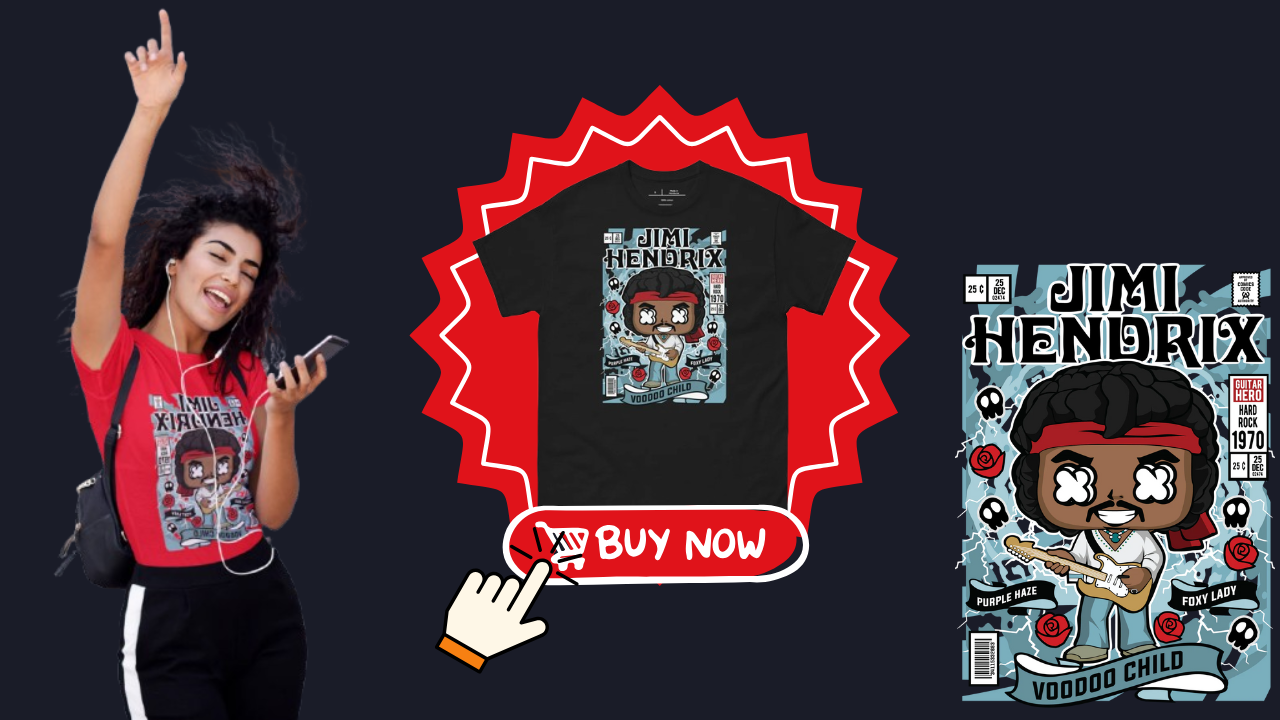
- Ironic commentary: Just as Pop Art critiqued consumerism, digital creators often use similar themes to comment on modern issues.
- Blend of high and low culture: This fusion defines much of contemporary digital content, mirroring Pop Art's ethos.
- Mass production appeal: The concept of art as a mass-producible product translates well into the digital space, influencing content strategy.
Digital Tools Reflecting Pop Art Aesthetics
As technology evolves, digital tools provide creators with the capability to incorporate Pop Art-inspired elements into their work. Key tools and techniques include:
- Graphic design software: Adobe Illustrator and Photoshop offer features like halftone effects and vivid palettes ideal for Pop Art aesthetics.
- 3D modeling platforms: Tools like Blender allow artists to recreate Pop Art styles in virtual environments.
- Mobile applications: Numerous apps offer quick Pop Art effects, democratizing access and making it widespread.
Prominent Examples of Pop Art Influence in Digital Media
Pop Art's influence is evident across various platforms and genres. Examples include:
- Advertising campaigns: Brands frequently use Pop Art-inspired visuals to captivate audiences.
- Social media content: Platforms like Instagram are flooded with colorful, bold visuals, embodying Pop Art philosophies.
- Music videos: Artists often incorporate Pop Art styles to create vibrant and engaging video content.
Conclusion: The Enduring Legacy of Pop Art
In conclusion, the impact of Pop Art on today's digital creators is profound and wide-ranging. From aesthetics and themes to tools and platforms, the legacy of Pop Art continues to inform and inspire. As digital art becomes an increasingly dominant form of cultural expression, the influence of Pop Art serves as a testament to its pioneering role in shaping visual culture, ensuring its relevance and vitality in today's digital landscape.