The Influence of Pop Art on Album Covers and Music Videos
The vibrant and bold world of Pop Art has left a lasting mark on various creative fields, not least of which includes album covers and music videos. By transforming everyday objects and media into high art, Pop Art challenged conventional boundaries and reshaped visual aesthetics. This influence became especially palpable in the music industry, where it contributed to the creation of some of the most iconic and enduring visual art forms. Let's delve into the rich tapestry of Pop Art's impact on album covers and music videos.
Article Outline
- Introduction to Pop Art
- Pop Art Influence on Album Covers
- Notable Pop Art-Inspired Album Covers
- Pop Art and Music Videos
- Lasting Impact of Pop Art on the Music Industry
- Conclusion: The Settlement of Pop Art in Modern Music

Introduction to Pop Art
Pop Art emerged in the mid-20th century as a reaction against the dominant approaches of traditional fine art. Artists like Andy Warhol, Roy Lichtenstein, and Richard Hamilton began to use vibrant colors, bold lines, and imagery derived from popular culture, such as advertising, comic books, and mundane mass-produced objects. This movement redefined what was considered art, making it more accessible and relevant to the public.
Pop Art Influence on Album Covers
The impact of Pop Art on album covers is unmistakable. Artists used the medium to express their playful and often ironic take on contemporary life. This approach resonated with musicians who wanted their albums to stand out in a crowded market. The result is album covers that are not only eye-catching but also thought-provoking.
- Vivid Colors: Utilizing a bold color palette to attract attention.
- Imagery of Everyday Objects: Featuring items from the consumer world to comment on society's infatuation with material goods.
- Comic Book Styles: Bringing a nostalgic yet modern twist that conveys movement and emotion.
Notable Pop Art-Inspired Album Covers
- The Velvet Underground & Nico (1967) - Designed by Andy Warhol, featuring the famous banana illustration.
- Sgt. Pepper's Lonely Hearts Club Band by The Beatles (1967) - A collage of cultural icons designed by Peter Blake and Jann Haworth.
- Pink Floyd’s The Piper at the Gates of Dawn (1967) - Using psychedelic and Pop Art elements to create an otherworldly feel.
Pop Art and Music Videos
As music videos became a critical part of the music industry, Pop Art's vibrant and direct approach naturally extended into this visual medium. Music videos started incorporating elements like:
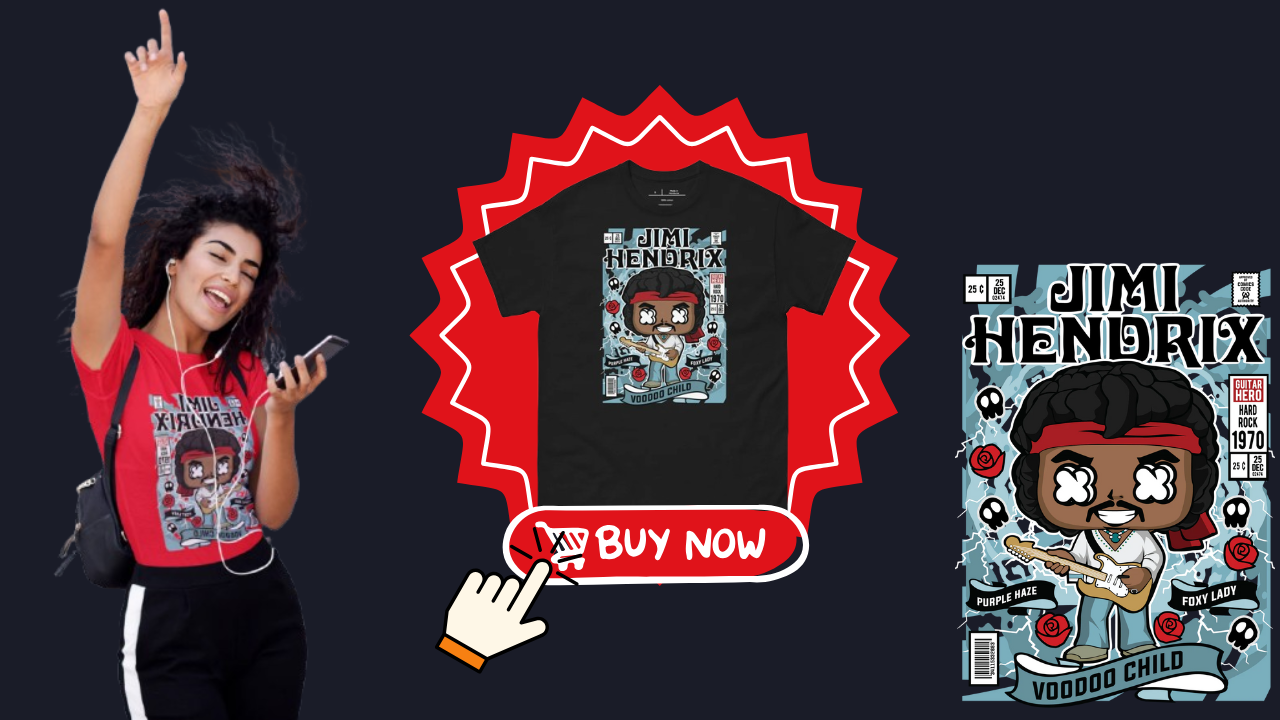
- Bright Color Blocks: Creating a lively and engaging viewing experience.
- Graphic Comic Styles: Adding a dynamic and playful narrative style.
- Use of Text and Labels: Emphasizing important lyrics and themes within the music.
Lasting Impact of Pop Art on the Music Industry
Pop Art's influence persisted, contributing to the visual language of the music industry. Even today, contemporary artists and musicians draw on Pop Art's legacy to infuse their work with a sense of irony, humor, and cultural critique. This has fostered a fusion of music and visual arts, bringing album covers and music videos to a broader audience.
Conclusion: The Settlement of Pop Art in Modern Music
The relationship between Pop Art and music is a testament to the enduring power of art in shaping cultural narratives. As both fields continue to evolve, the legacy of Pop Art remains firmly embedded in how we experience music visually. This blend of sound and imagery invites audiences to engage with music in a multidimensional way, ensuring that the spirit of Pop Art continues to thrive within the music industry.