Pop Art Streetwear That Fuses Illustration and Fashion
Pop Art Streetwear is a fascinating domain where the dynamic worlds of illustration and fashion collide. By combining the bold, vibrant aesthetic of Pop Art with the evolving culture of streetwear, designers create unique pieces that not only push creative boundaries but also make impactful statements in modern fashion. In this article, we explore the intricacies of Pop Art Streetwear, examining its origins, distinct characteristics, influential designers, and its ever-growing effect on global fashion culture.
Origins of Pop Art Streetwear
The fusion of Pop Art and streetwear finds its roots in the mid-20th century, a period characterized by a dramatic shift in artistic expression. Pop Art, with its vibrant colors and bold images, emerged in the 1950s as a counter-culture movement, synonymous with artists like Andy Warhol and Roy Lichtenstein. The simultaneous rise of streetwear in urban environments provided a conduit for Pop Art to transition from gallery walls to wearable art, making it accessible and personal.
Key Characteristics
Pop Art Streetwear is defined by several distinctive features that set it apart in the fashion industry:
- Bold Colors: Bright, contrasting hues that instantly catch the eye.
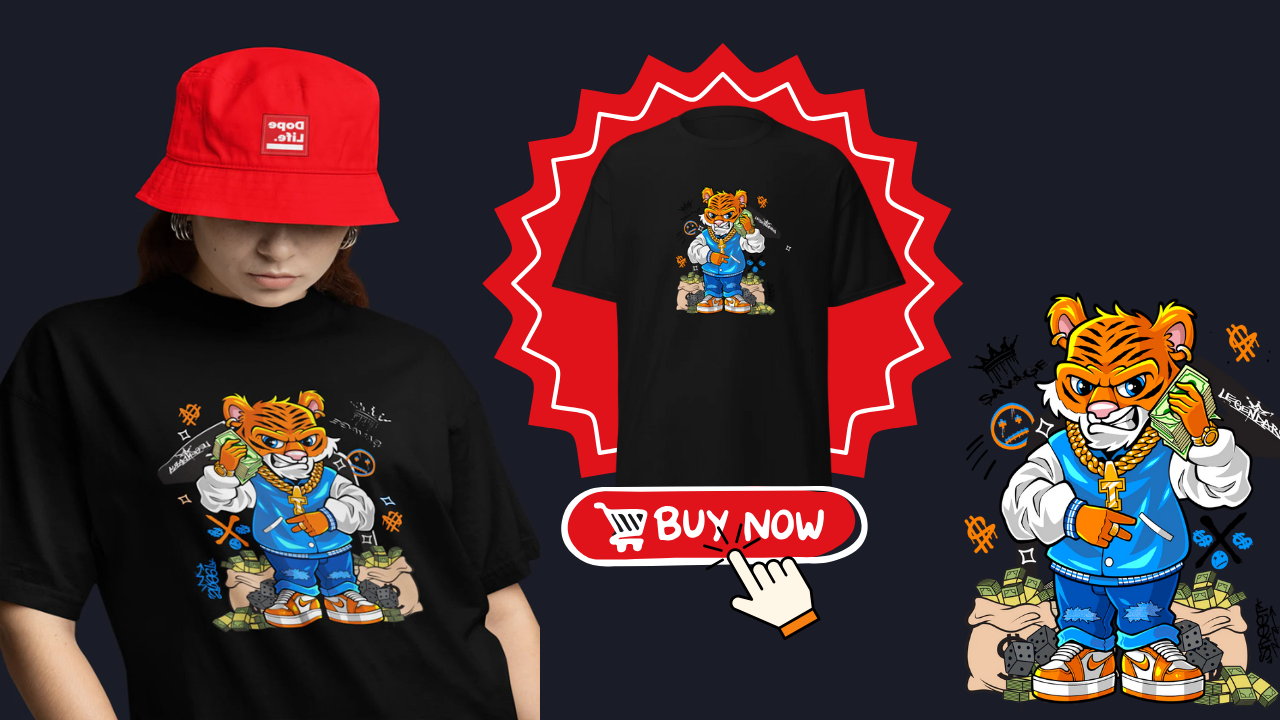
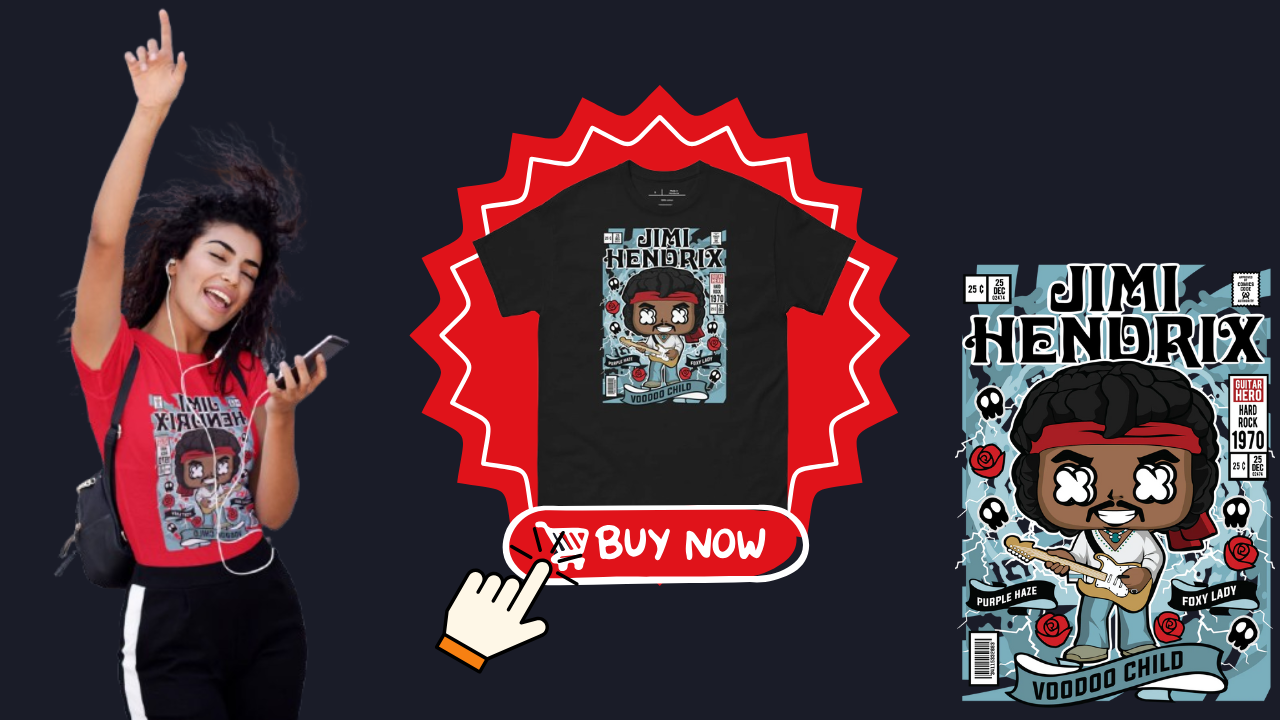
- Graphic Illustrations: Iconic graphics often feature popular figures, cultural symbols, and comic strip elements.
- Playful Patterns: Repetitive patterns that mimic classic illustrations.
- Cultural Commentary: Pieces often convey commentary on consumerism, celebrity culture, and media.
Influential Designers and Brands
Several designers and brands have been pivotal in promoting Pop Art Streetwear:
- Jeremy Scott: Known for his vibrant, eclectic designs that often incorporate elements of Pop Art.
- Supreme: This brand frequently collaborates with artists to produce limited-edition clothing lines that reflect Pop Art aesthetics.
- Takashi Murakami: A contemporary artist whose work transcends traditional boundaries, infusing Pop Art influences into modern streetwear.
Impact on Modern Culture
The effect of Pop Art Streetwear on modern culture is profound and multi-faceted:
- Redefinition of Aesthetic Standards: Pop Art Streetwear shifts general perceptions of beauty and style, embracing bold and unconventional designs.
- Encouragement of Individuality: Wearers express personal identity and cultural connections, using fashion as a canvas.
- Cross-Cultural Influence: The international nature of streetwear ensures that Pop Art aesthetics are appreciated and adapted globally.
Future Trends in Pop Art Streetwear
As Pop Art Streetwear continues to evolve, several trends are poised to shape its future:
- Sustainability: Increasing focus on eco-friendly materials and ethical production processes.
- Technology Integration: Use of digital art and augmented reality in design processes enhances customization and user interaction.
- Collaboration Expansion: Expect more collaborations between mainstream designers and emerging artists.
In conclusion, Pop Art Streetwear is more than a fashion trend; it’s an artistic movement that encapsulates the spirit of cultural innovation. By understanding its origins, characteristics, and impact, fashion enthusiasts can appreciate the enduring appeal and transformative potential of art-infused garments in today’s society, projecting a bold future where creativity knows no bounds.