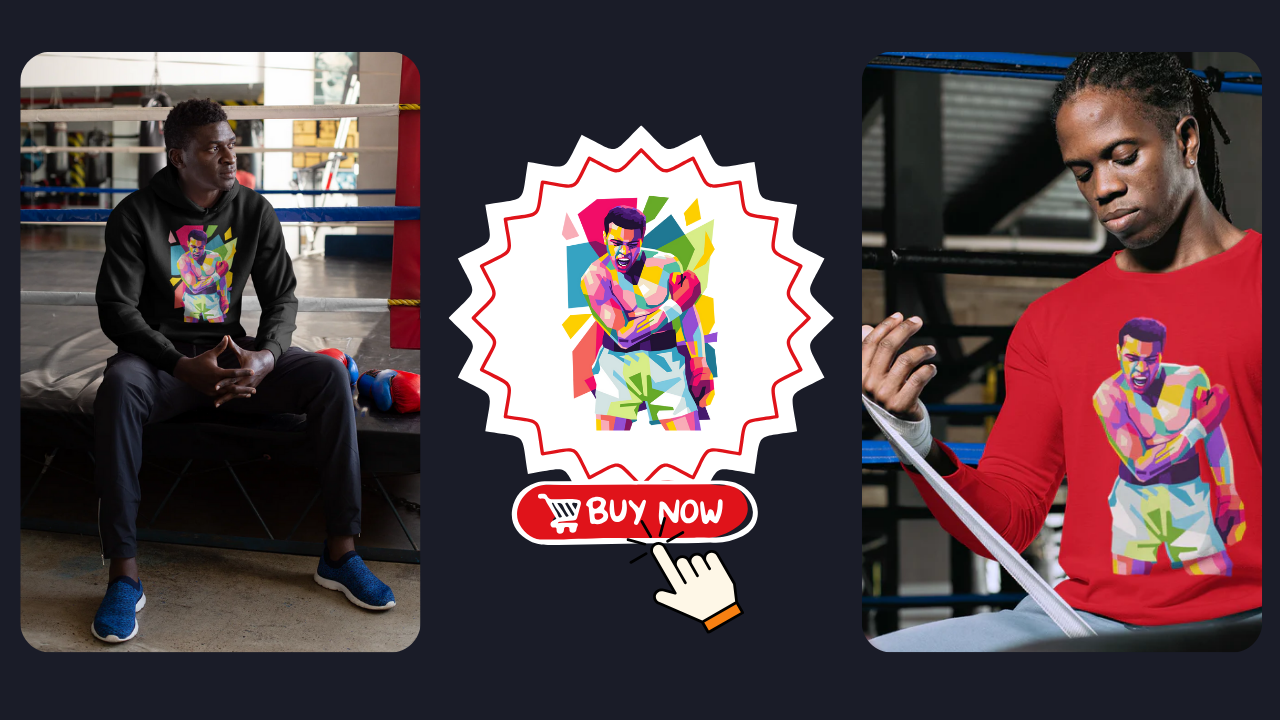
Pop Art Streetwear That Fuses Illustration and Fashion
In the ever-evolving world of fashion, Pop Art Streetwear stands out as a vibrant fusion of illustration and clothing design innovation. This style captures the essence of a movement that revolutionized art, celebrating popular culture and bold visual aesthetics. By blending vivid colors, playful patterns, and iconic imagery, pop art streetwear breathes life into everyday fashion, creating a canvas for individual expression. Let's delve deeper into this fascinating intersection of art and fashion, uncovering how it has become a cornerstone of modern streetwear culture.
- Origin of Pop Art and Its Influence on Fashion
- Key Features of Pop Art Streetwear
- Notable Artists and Designers
- Current Trends in Pop Art Streetwear
- The Future of Pop Art Fashion
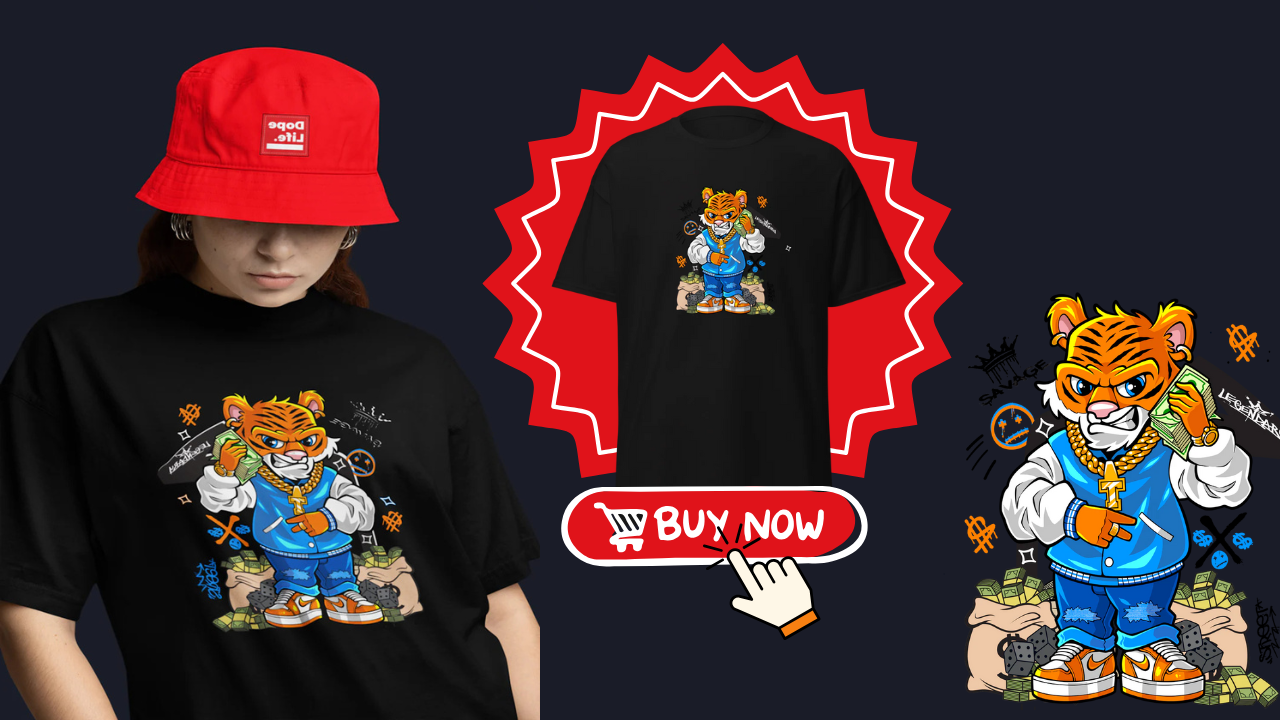
Origin of Pop Art and Its Influence on Fashion
Pop Art emerged in the 1950s as a rebellious art movement challenging traditional norms by incorporating images from popular culture, such as advertising, comic books, and mundane cultural objects. Key figures like Andy Warhol and Roy Lichtenstein popularized this style through their iconic works. Fashion embraced these vibrant visual elements, transforming them from art pieces into wearable designs. This set the stage for streetwear to adopt these motifs, creating approachable artistry within everyday clothing.
Key Features of Pop Art Streetwear
Pop Art streetwear is characterized by its bold aesthetics and cultural commentary. Here are its key features:
- Vivid Colors: Bright, contrasting hues that capture attention and evoke emotion.
- Iconic Imagery: Use of recognizable figures and symbols, often derived from pop culture.
- Bold Patterns: Graphic patterns and prints that mimic the style's artistic roots.
- Commentary on Consumerism: Critical take on consumer culture, often through ironic or humorous designs.
- Material and Technique: Utilization of modern materials and printing techniques to enhance the artwork’s visual impact.
Notable Artists and Designers
The fusion of illustration and fashion in pop art streetwear has attracted many creatives. Some notable contributors include:
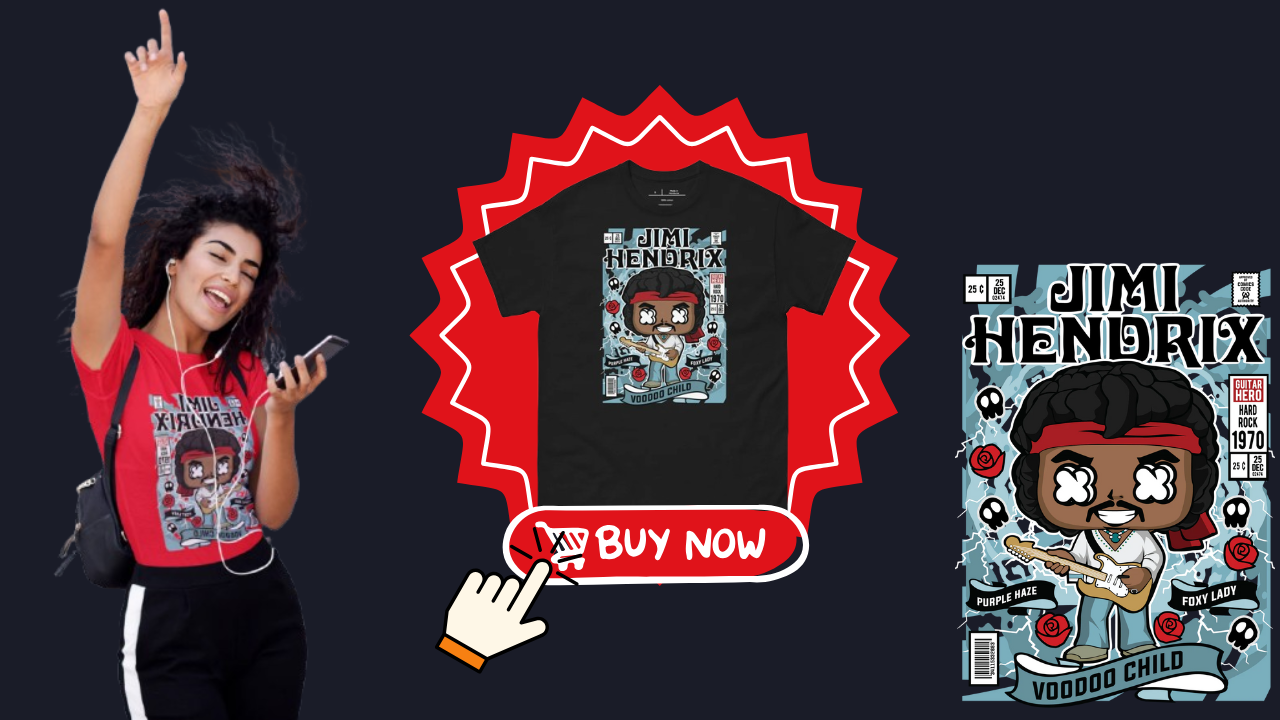
- Keith Haring: Known for his graffiti-style art characterized by bright colors and bold lines, Haring's work has been extensively licensed for clothing.
- Takashi Murakami: His integration of Japanese pop culture with art has influenced numerous streetwear collections, blending East and West aesthetics beautifully.
- Jeremy Scott: The Moschino designer often incorporates pop art elements into his collections, creating playful and eye-catching pieces.
Current Trends in Pop Art Streetwear
As the fashion landscape evolves, pop art streetwear continues to adapt, maintaining its relevance through:
- Collaboration: Designer collaborations with pop artists bring fresh perspectives and limited-edition pieces.
- Sustainable Practices: Increasing focus on eco-friendly materials while retaining bold, artistic designs.
- Digital Art Integration: The rise of NFTs and digital art influences physical streetwear collections.
- Customization: Personalized art and design elements that allow consumers to express their unique style.
The Future of Pop Art Fashion
The horizon looks promising for pop art streetwear as it continues to blur the lines between fashion and art. The movement's legacy contributes to its longevity, sparking new ideas and styles. Expect to see:
- Technological Integration: Augmented reality and wearable technology infused into clothing designs.
- Global Fusion: Incorporation of diverse cultural elements, making the fashion style more inclusive and global.
- Evolving Aesthetic: A shift towards subtlety while maintaining core pop art characteristics, to cater to varied fashion tastes.
In summary, Pop Art streetwear represents a dynamic and influential junction of art and fashion, making bold statements that continue to capture the imagination of fashion enthusiasts and art lovers alike. Whether through innovative collaborations or daring designs, it's a style that promises to remain both relevant and revolutionary in the coming years.