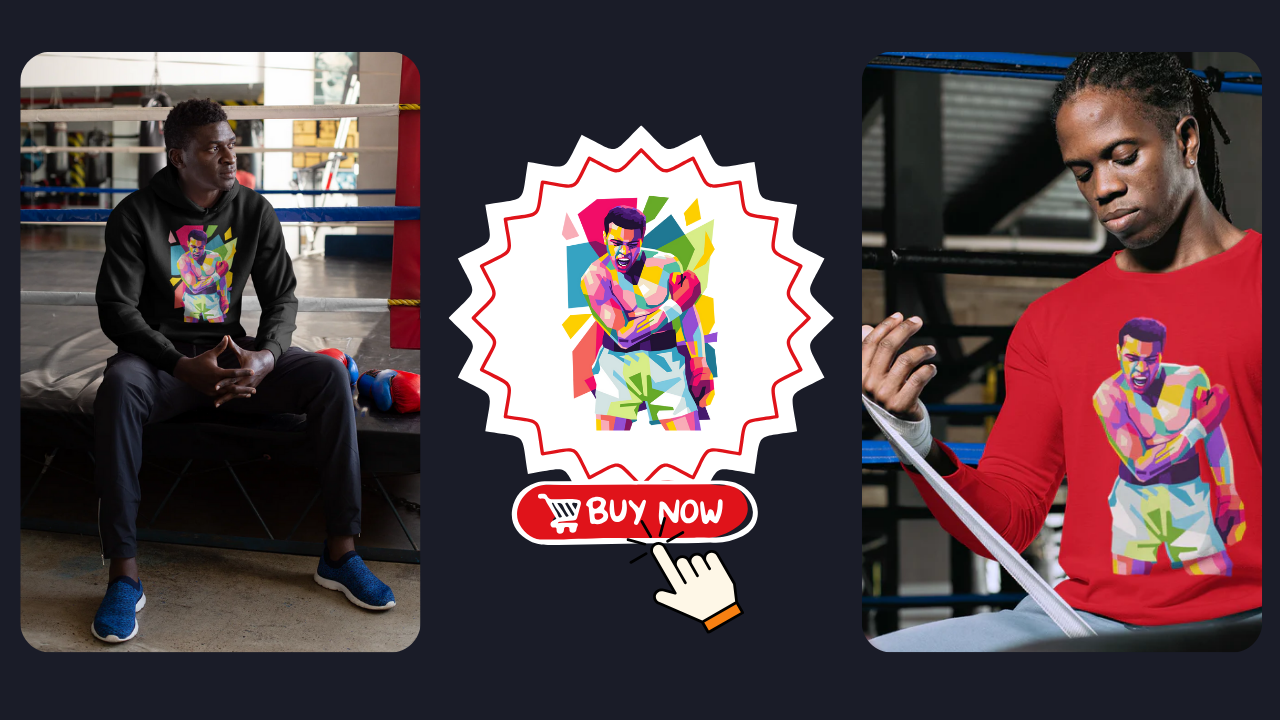
Pop Art Streetwear That Embodies Modern Rebellion
Pop Art streetwear is more than just a fashion statement; it is a vibrant expression of modern rebellion that blurs the lines between traditional art and everyday apparel. Rooted in the cultural movements of the mid-20th century, Pop Art streetwear challenges the norms and embraces a daring, bold aesthetic. In this article, we delve deep into how this unique style has become a symbol of defiance and creativity in today’s fashion landscape.
Article Outline
- The Origins of Pop Art
- When Pop Art Meets Streetwear
- Elements of Rebellion in Pop Art Streetwear
- Iconic Designers Leading the Movement
- The Appeal to Modern Consumers
- The Future of Pop Art Streetwear
- Conclusion: A Canvas of Modern Rebellion
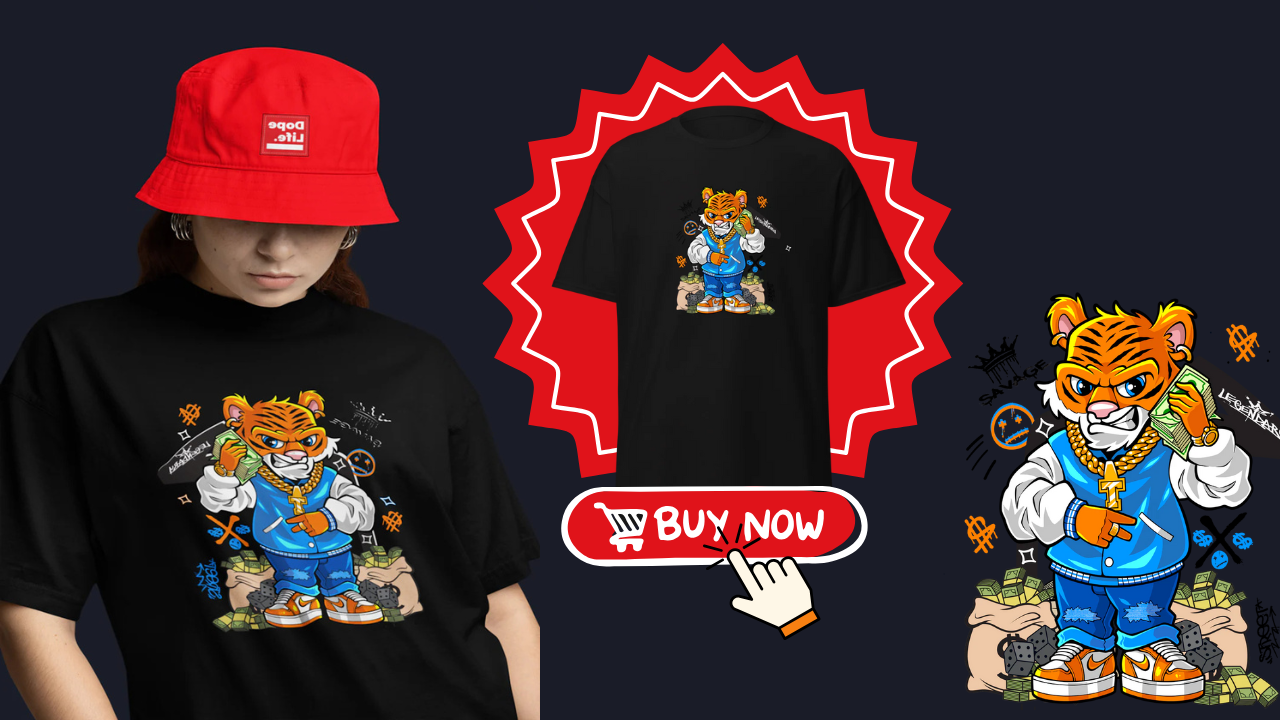
The Origins of Pop Art
Born in the mid-1950s, Pop Art emerged as a reaction against the distant traditions of fine art, bringing in elements from popular culture. Key figures like Andy Warhol and Roy Lichtenstein transformed everyday items into high art using bold colors and iconic imagery, creating a new landscape of visual representation. This movement highlighted cultural idiosyncrasies and challenged societal norms through engaging and accessible motifs.
When Pop Art Meets Streetwear
Streetwear originally developed from the grassroots level, reflecting urban environments and counterculture. When Pop Art fused with streetwear, a new chapter was written in fashion history. This meeting of minds created apparel that was not just worn but proudly displayed as a statement. The dynamic synergy between vivid Pop Art imagery and the casual essence of streetwear represents a rebellious and unique form of self-expression.
Elements of Rebellion in Pop Art Streetwear
- Bold Colors: Neon and primary colors are staples, making each garment a canvas that speaks volumes.
- Iconic Imagery: Pop Art infuses streetwear with recognizable elements, like cartoon characters and well-known brands, twisted in unique and often satirical ways.
- Statement Textures: Use of varied materials promotes a tactile exploration of rebellion, making fashion more than just a visual experience.
- Symbolic Motifs: Designs often incorporate symbols of protest and freedom, underlining the rebellious spirit inherent in streetwear.
Iconic Designers Leading the Movement
- Jeremy Scott: Known for his avant-garde approach and incorporation of kitsch, Scott is a pioneer in combining Pop Art with fashion.
- Takashi Murakami: His blend of Japanese pop culture and Pop Art aesthetics offers vibrant and thought-provoking apparel.
- Virgil Abloh: Bringing his architectural background to streetwear, Abloh's work under Off-White provides bold, graphic prints that resonate with the rebellious ethos.
The Appeal to Modern Consumers
The youthful and the daring are increasingly drawn to Pop Art streetwear. Here’s why:
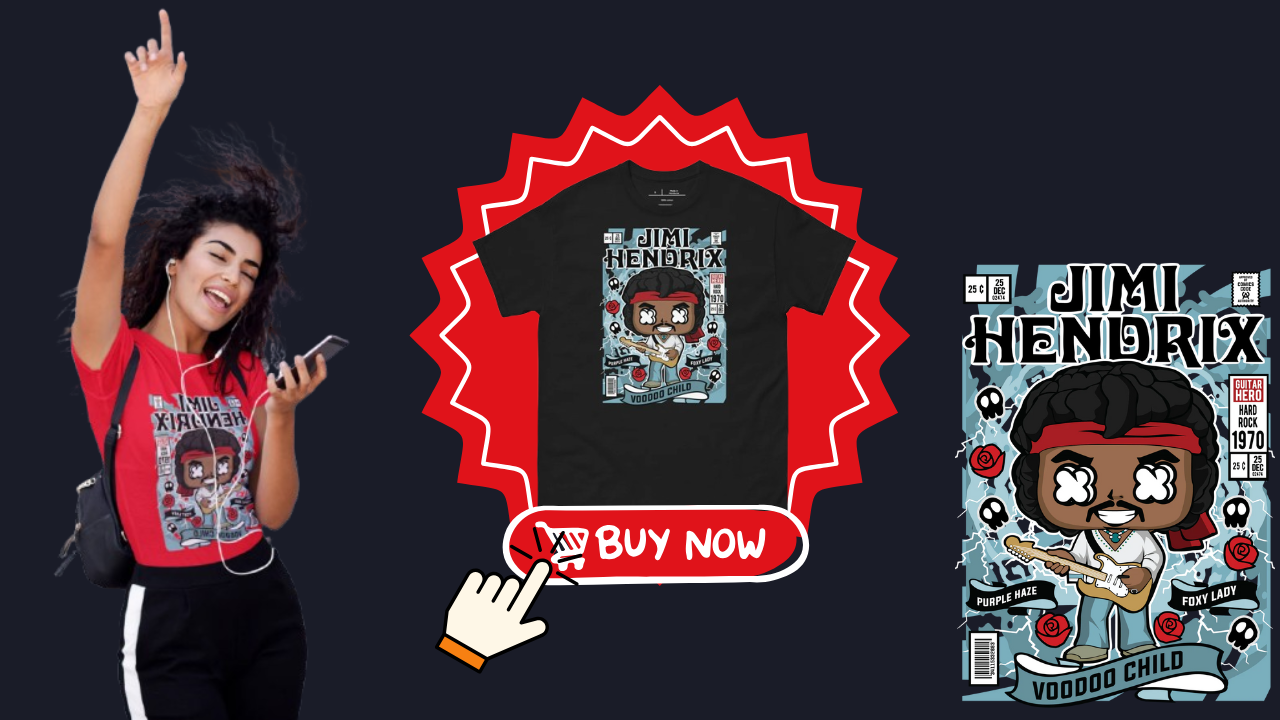
- Individuality: Consumers are able to convey a strong personal identity through standout pieces.
- Culture and Art Fusion: Fashion becomes a platform where art and everyday life intersect seamlessly.
- Accessibility: Unlike traditional fine art, this style allows wider access and appreciation through wearable forms.
The Future of Pop Art Streetwear
The integration of technology and sustainable practices is setting the path for the future of Pop Art streetwear. Digital platforms are democratizing art and fashion, while ecological considerations ensure the movement remains relevant and conscientious. Emerging designers are combining cutting-edge technology such as digital printing and AI design with sustainable fabrics, promising an exciting trajectory for this bold style.
Conclusion: A Canvas of Modern Rebellion
Pop Art streetwear has redefined the boundaries of fashion as a revolutionary canvas, embodying the essence of modern rebellion. By consistently challenging the status quo with vibrant expressions, it remains at the forefront of fashion innovation. As this dynamic style continues to evolve, it promises to capture the imagination of future generations, seamlessly stitching together art, culture, and identity in every piece.