Pop Art Streetwear That Combines Nostalgia and Innovation
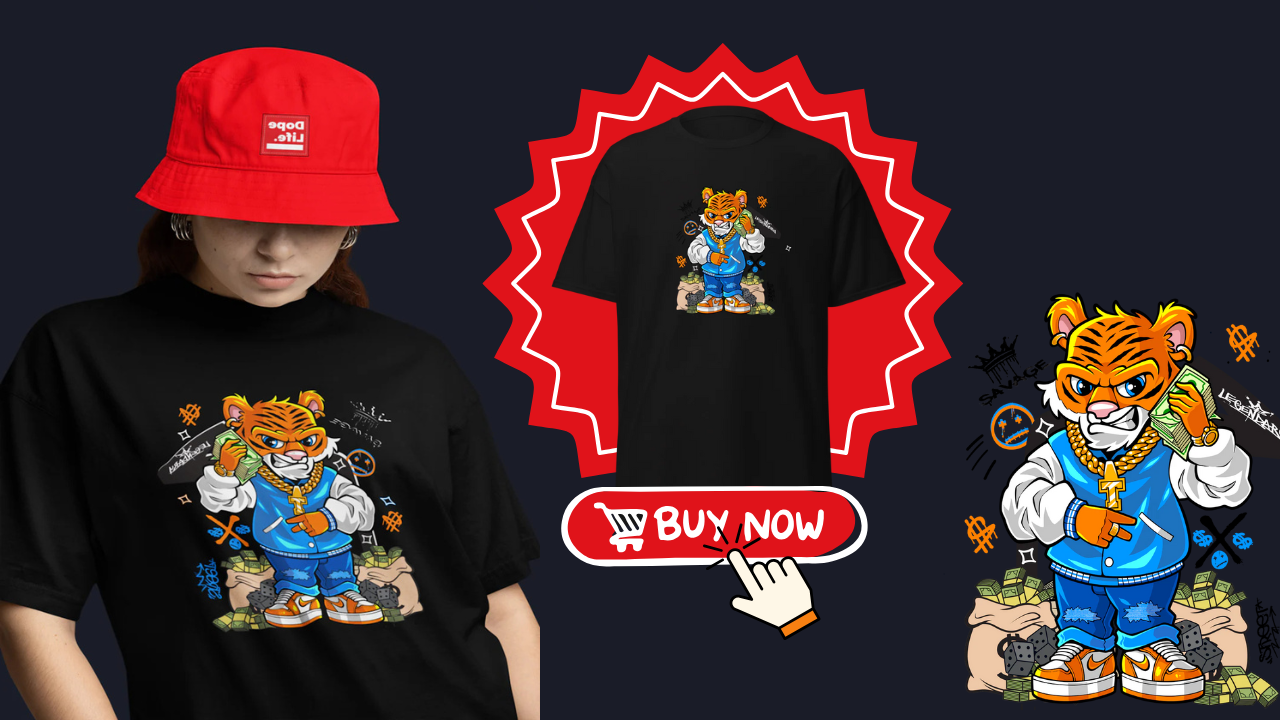
Pop Art streetwear effortlessly marries the charm of the past with the allure of modern design. This stylistic fusion has captivated fashion enthusiasts around the globe by transforming nostalgic elements into statements of contemporary innovation. By blending the playful elements of Pop Art with today’s cutting-edge fashion trends, Pop Art streetwear has emerged as a powerful visual language that transcends generational boundaries.
Outline
- Origins of Pop Art Streetwear
- Distinctive Design Elements
- Iconic Brands Leading the Movement
- The Nostalgia-Innovation Blend
- Impact on Modern Fashion
Origins of Pop Art Streetwear
The roots of Pop Art streetwear can be traced back to the mid-20th century when Pop Art itself made bold declarations by transforming mundane objects into high art. Creatives sought inspiration from advertising, comic books, and mass media, blending these diverse influences into fashion statements that directly challenged the status quo. This cultural revolution set the groundwork for Pop Art’s transition into streetwear, where garments became canvases for artists and designers alike.
Distinctive Design Elements
Distinctive design elements are what set Pop Art streetwear apart from typical streetwear fashion. The following features are most notable:
- Vibrant Colors: Bright primary colors are predominant, often combined with bold geometric shapes.
- Distinctive Patterns: Use of repetitive motifs that are reminiscent of comic book panels and advertising art.
- Typography: Eye-catching fonts and exaggerated text that echo headlines or speech bubbles from comics.
Iconic Brands Leading the Movement
Several pioneering brands have embraced Pop Art streetwear, innovating and reinterpreting classic styles:
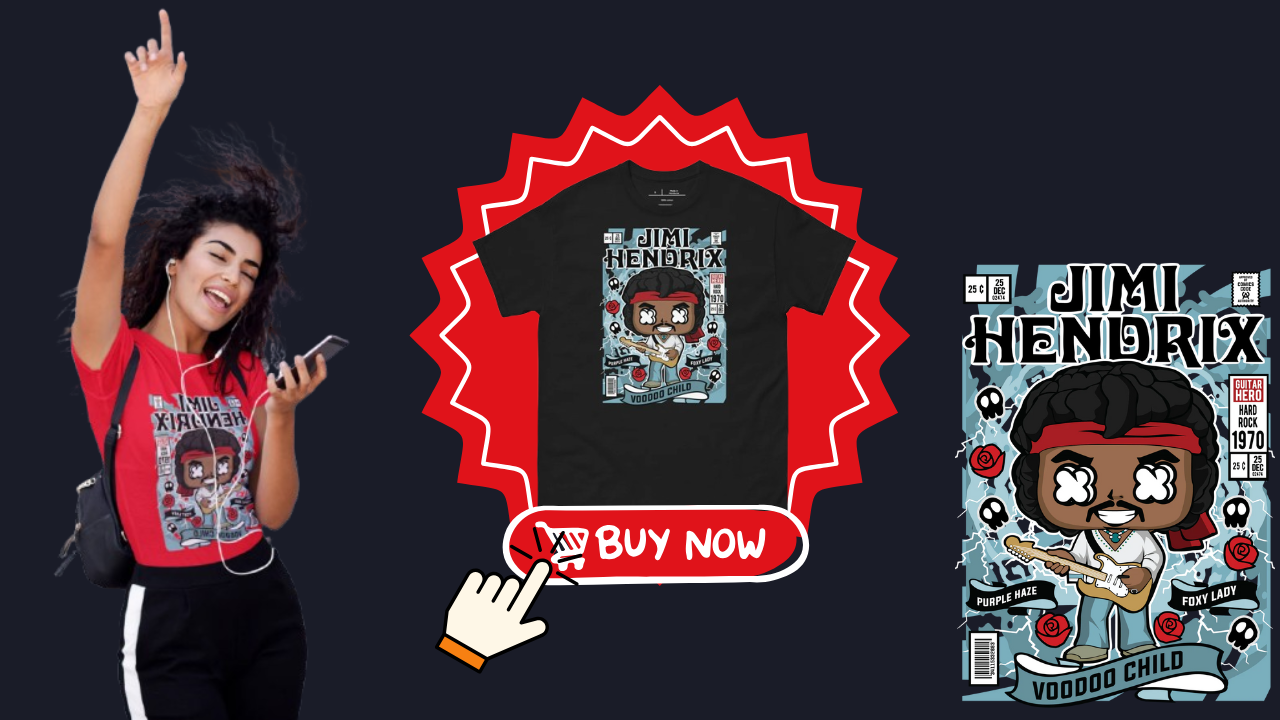
- Supreme: Known for their collaborations with modern artists, merging street culture with rebellious art forms.
- Jeremy Scott for Moschino: Utilizes iconic Pop Art elements, infusing humor and satire into high fashion.
- Obey: Founded by Shepard Fairey, this brand incorporates political undertones with Pop Art aesthetics.
The Nostalgia-Innovation Blend
This unique blend of the old and new makes Pop Art streetwear mesmerising:
- Cultural References: Harnessing images and themes from past decades resonates strongly with audiences who recall their initial impact.
- Modern Techniques: Utilizing digital printing and sustainable materials elevates traditional Pop Art visuals into the realm of future-forward fashion.
- Artistic Collaborations: Partnering with modern artists brings innovations that reinterpret nostalgic elements in refreshing ways.
Impact on Modern Fashion
The impact of Pop Art streetwear on modern fashion cannot be understated. It does more than just challenge old norms; it serves as a vehicle for cultural expression and innovation. By infusing art with apparel, this fashion movement becomes a canvas for dialogue, pushing the boundaries of conventional style and redefining what it means to make a statement through clothing.
Ultimately, the enduring popularity of Pop Art streetwear illustrates a desire for originality that resonates deeply within the fashion community—a statement of rebellion, celebration, and evolution.