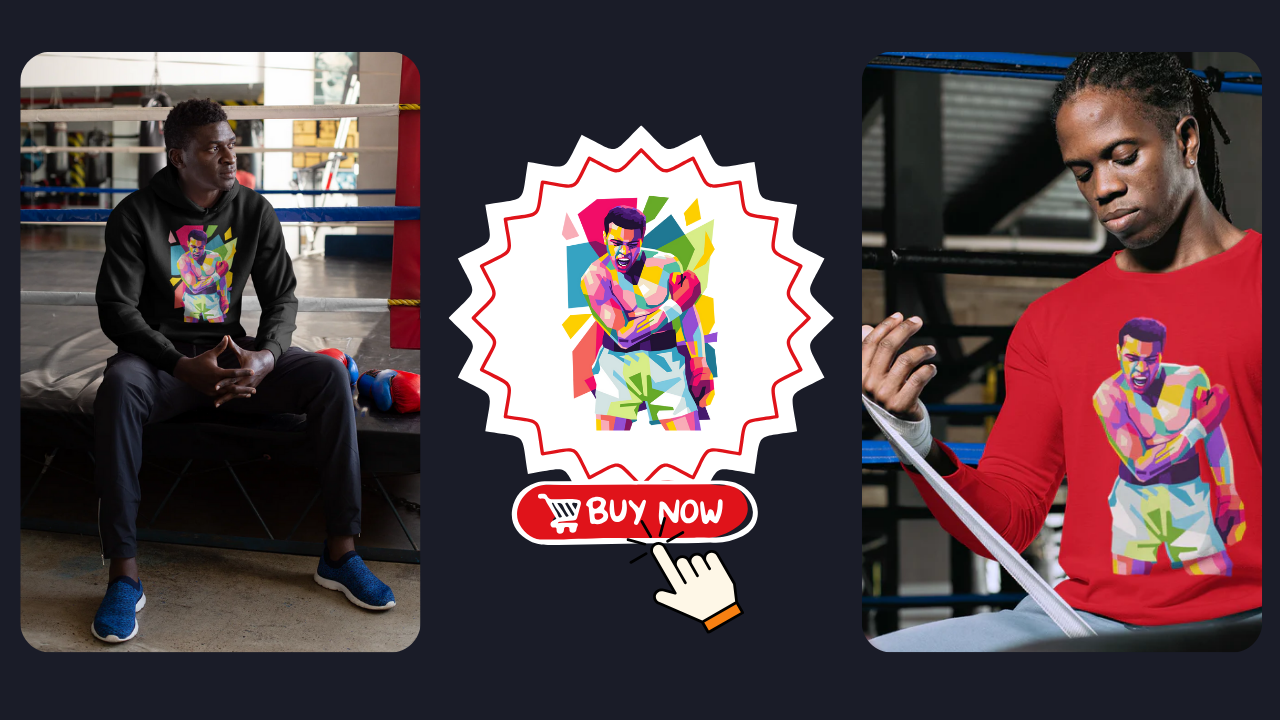
Pop Art Streetwear That Brings Classic Art to the Masses
Pop Art Streetwear has revolutionized how we perceive fashion by intertwining classic art with urban culture. This dynamic fusion not only makes art accessible to the masses but also invigorates modern style with bold, expressive elements. As streetwear continues to rise in popularity, its intersection with iconic art becomes a canvas for self-expression, inviting both art enthusiasts and fashion-forward individuals to partake in this vibrant trend.
History of Pop Art
The roots of Pop Art trace back to the mid-20th century, emerging as a rebellion against traditional fine art by incorporating imagery from popular and mass culture. Pioneered in the 1950s and 1960s by artists such as Andy Warhol and Roy Lichtenstein, this movement sought to challenge the established norms of what constituted as "art." Key characteristics include the use of vibrant colors, recognizable imagery from advertisements and consumer goods, and a sense of irony.
- Emergence in the 1950s: Reaction to traditional art.
- 1960s Flourish: Popularity grows with consumerism.
- Influential Artists: Andy Warhol, Roy Lichtenstein, Richard Hamilton.
The Rise of Streetwear
Streetwear, a distinctive fashion style inspired by the skateboard and hip-hop culture, began gaining traction in the late 1970s and 80s. It combines comfort and edginess, allowing wearers to express themselves freely. With roots in urban centers like New York City and Los Angeles, streetwear is characterized by casual clothing like hoodies, T-shirts, and sneakers.
- Key Cities: New York, Los Angeles.
- Influences: Skate culture, hip-hop, graffiti art.
- Essential Pieces: Hoodies, graphic tees, sneakers.
Pop Art Infusion in Streetwear
The convergence of Pop Art and streetwear has given rise to a unique style that brings art to everyday life. By incorporating classic art into clothing, designers have democratized art, allowing it to be worn and appreciated by a wider audience. This infusion often involves bold graphics, reinterpretations of famous artworks, and collaborations with artists.
- Incorporation Techniques: Screen printing, digital prints.
- Design Elements: Bold colors, famous artwork reinterpretations.
- Collaborative Works: Featuring works of classic and contemporary artists.
Iconic Artists and Their Influence
Numerous artists have left a lasting impact on both the Pop Art movement and the streetwear scene. Their work continues to inspire modern fashion brands to integrate art into their collections. Andy Warhol's Campbell's Soup Cans and Roy Lichtenstein's comic-inspired art are prime examples frequently referenced in streetwear designs.
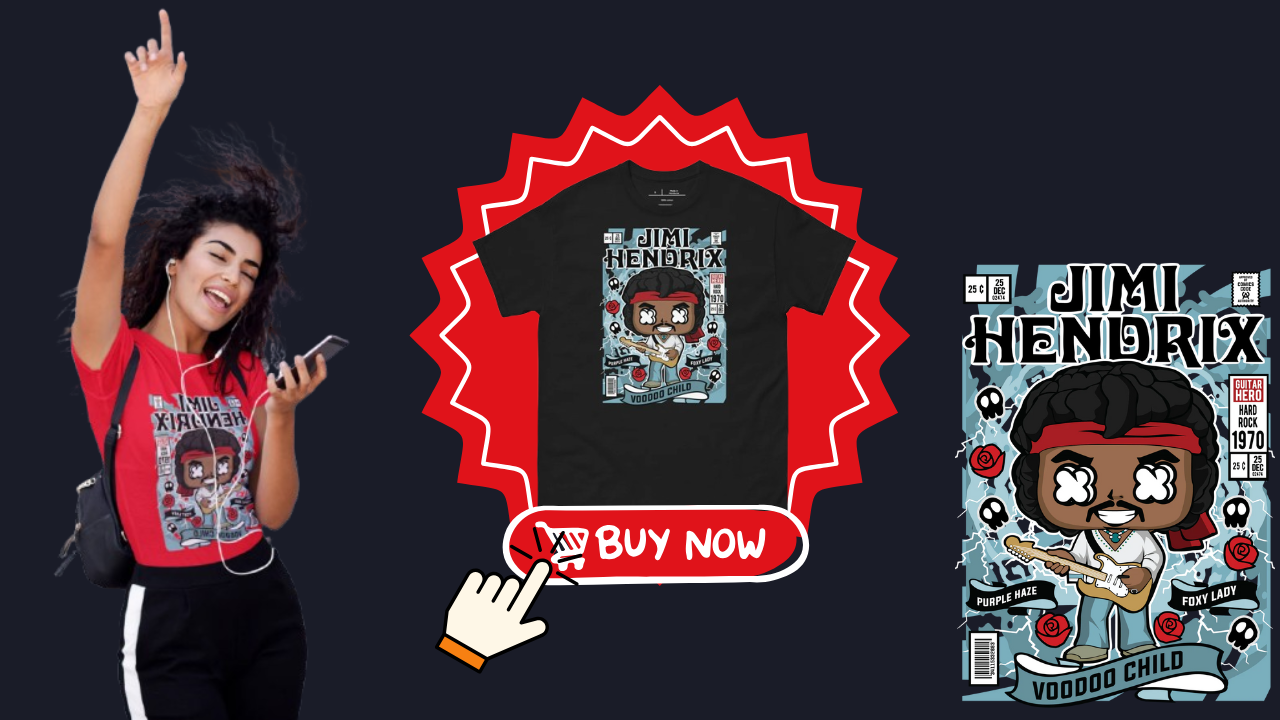
- Andy Warhol: Known for iconic consumer product imagery.
- Roy Lichtenstein: Famous for use of comic book styles.
- Influence on Clothing: Artwork seen on T-shirts, jackets, and hats.
Brands Leading the Trend
Several fashion brands have become pioneers in incorporating Pop Art into streetwear, bringing classic art directly to the public eye. These brands often engage in exciting collaborations that capture the spirit of both art and fashion.
- Supreme: Known for exclusive collaborations with artists.
- Obey: Combines street culture with art, founded by artist Shepard Fairey.
- Uniqlo UT: Features collections inspired by global artists and their works.
Impact on Modern Culture
The fusion of Pop Art and streetwear has had a substantial influence on modern culture, making art more accessible and relatable. This trend supports a dialogue between different artistic platforms and encourages a broader appreciation for cultural diversity and the reinterpretation of classical works.
- Art Accessibility: Increased interest in art among youth.
- Cultural Dialogue: Blend of high art with everyday life.
- Fashion Innovation: Pushes boundaries of traditional designs.
The Future of Pop Art Streetwear
Looking ahead, the collaboration between Pop Art and streetwear is poised to continue expanding, with more brands exploring creative connections and artworks finding new audiences. As digital media evolves, we may see even more interactive and customizable fashion that embodies the spirit of Pop Art.
- Technological Integrations: Augmented reality features in fashion.
- Collaborative Expansions: More artist-brand partnerships.
- Global Reach: Increased accessibility through online platforms.