Pop Art Streetwear That Brings Classic Art to the Masses
Pop Art, a revolutionary art movement of the mid-20th century, has transcended the traditional boundaries of canvas and galleries, making its vibrant way into the dynamic world of streetwear. By amalgamating the boldness of Pop Art with the casual essence of streetwear, it has created a fashion phenomenon that resonates with art lovers and style enthusiasts alike. In this article, we explore the colorful intersection of Pop Art Streetwear, examining how classic art has been transformed into wearable fashion, bringing iconic imagery to the masses. This vibrant trend has not only rejuvenated interest in classic art but also carved a niche in modern pop culture, ensuring the continued relevance and accessibility of Pop Art through streetwear.
- History of Pop Art
- Emergence of Pop Art in Streetwear
- Iconic Figures and Their Influence
- Elements of Pop Art Streetwear
- Leading Pop Art Streetwear Brands
- Impact on Culture and Society
- How to Style Pop Art Streetwear
- The Future of Pop Art Streetwear
History of Pop Art
Originating in the 1950s and 1960s, Pop Art sought to blur the boundaries between "high" art and "low" culture by incorporating imagery from advertising, comic books, and mundane cultural objects. Artists like Andy Warhol and Roy Lichtenstein became pioneers of this movement, using bright colors and bold lines to challenge traditional art paradigms.
Emergence of Pop Art in Streetwear
The fusion of Pop Art with streetwear began in the late 20th century. As street fashion became a global phenomenon, designers started looking to the past for inspiration, where Pop Art offered an accessible and familiar aesthetic. The bold graphics and cultural irony intrinsic to Pop Art seamlessly integrated with the rebellious and expressive nature of streetwear.
Iconic Figures and Their Influence
- Andy Warhol: Known for his paintings of Campbell's Soup Cans and Marilyn Monroe, Warhol's work is a staple in streetwear fashion.
- Roy Lichtenstein: His comic-strip style has inspired countless streetwear pieces, characterized by dotted techniques and speech bubbles.
- Keith Haring: His distinct graffiti-inspired works speak to the intersection of street culture and art.
Elements of Pop Art Streetwear
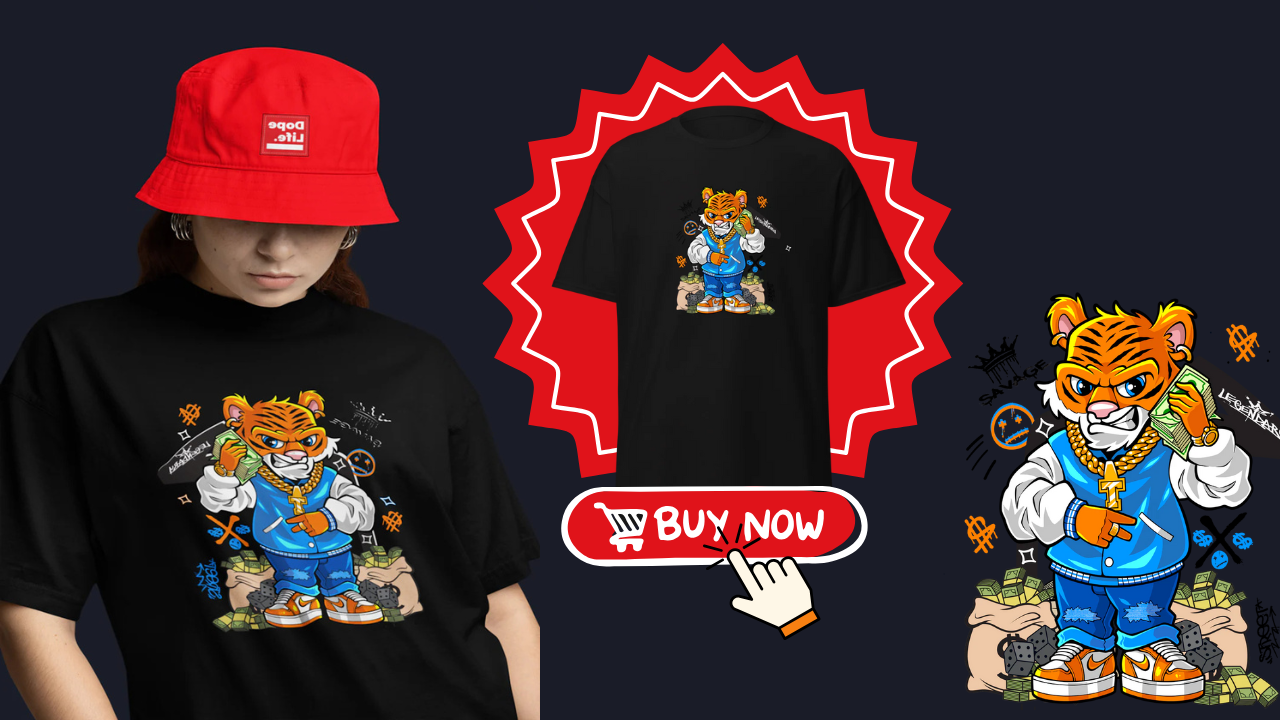
- Bold Colors: Vibrant colors are a hallmark, making the wearer's style stand out.
- Graphic Prints: Iconic imagery such as soup cans, famous faces, and patterns.
- Playful and Ironic: Designs often include satirical twists on consumerism and pop culture.
Leading Pop Art Streetwear Brands
- Supreme: Known for their collaborations embracing Pop Art aesthetics.
- Obey: Their designs integrate Pop Art through bold graphics and messaging.
- Stüssy: Frequently includes comic-inspired prints in their collections.
Impact on Culture and Society
Pop Art Streetwear has democratized art further by making it accessible through fashion. It provides a platform for cultural commentary, often addressing social issues through its rebellious spirit. As more people engage with these designs, there's an increasing awareness and appreciation for both art and fashion as vehicles for change.
How to Style Pop Art Streetwear
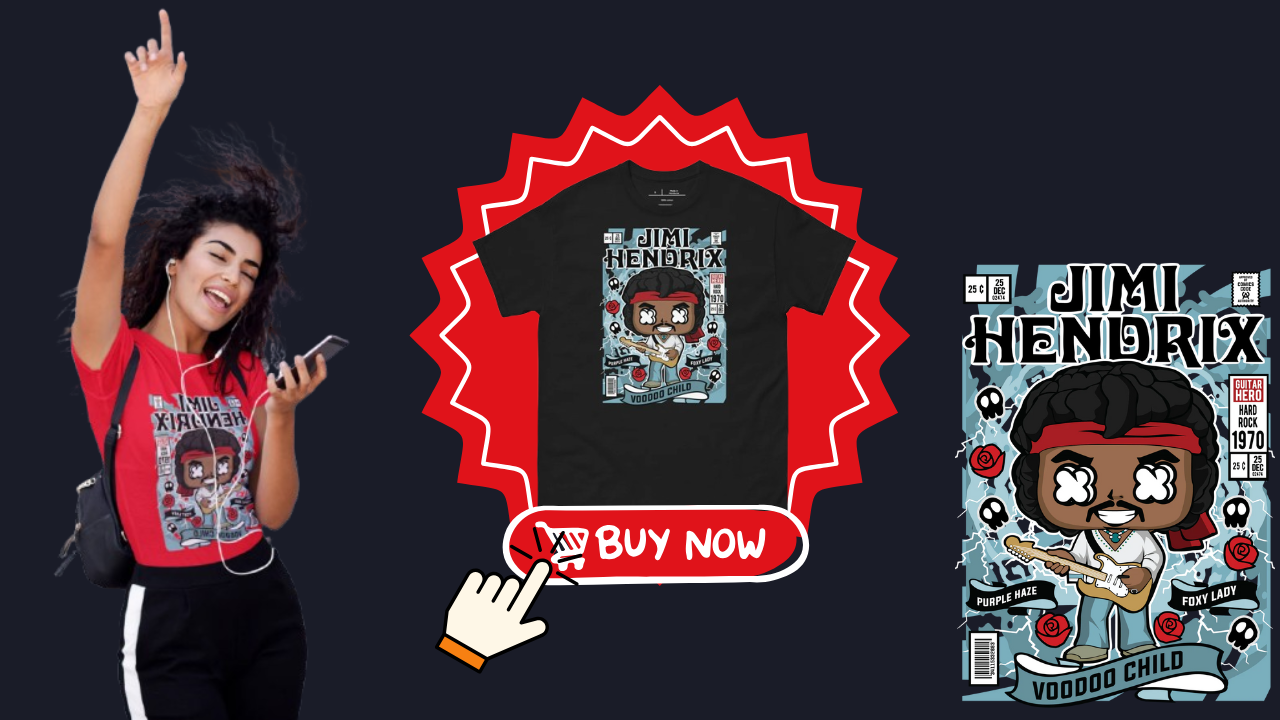
- Mix and Match: Pair graphic tees with simple denim or neutral-toned bottoms to let your pop art piece shine.
- Layering: Add a pop art jacket over a plain hoodie for an urban edge.
- Accessorize: Incorporate smaller elements like Pop Art-inspired hats or bags for subtle flair.
The Future of Pop Art Streetwear
As the boundaries between art and fashion continue to blur, the future of Pop Art Streetwear is promising. With the rise of digital art and sustainability in fashion, we can anticipate the emergence of eco-friendly pop art designs and virtual collections, making Pop Art ever more relevant in modern society.
In conclusion, Pop Art Streetwear is a vibrant testament to the enduring legacy of the Pop Art movement, ensuring art remains an integral part of everyday life. This dynamic fashion allows for personal expression while celebrating the rich history of Pop Art, making it an essential aspect of contemporary style narratives.