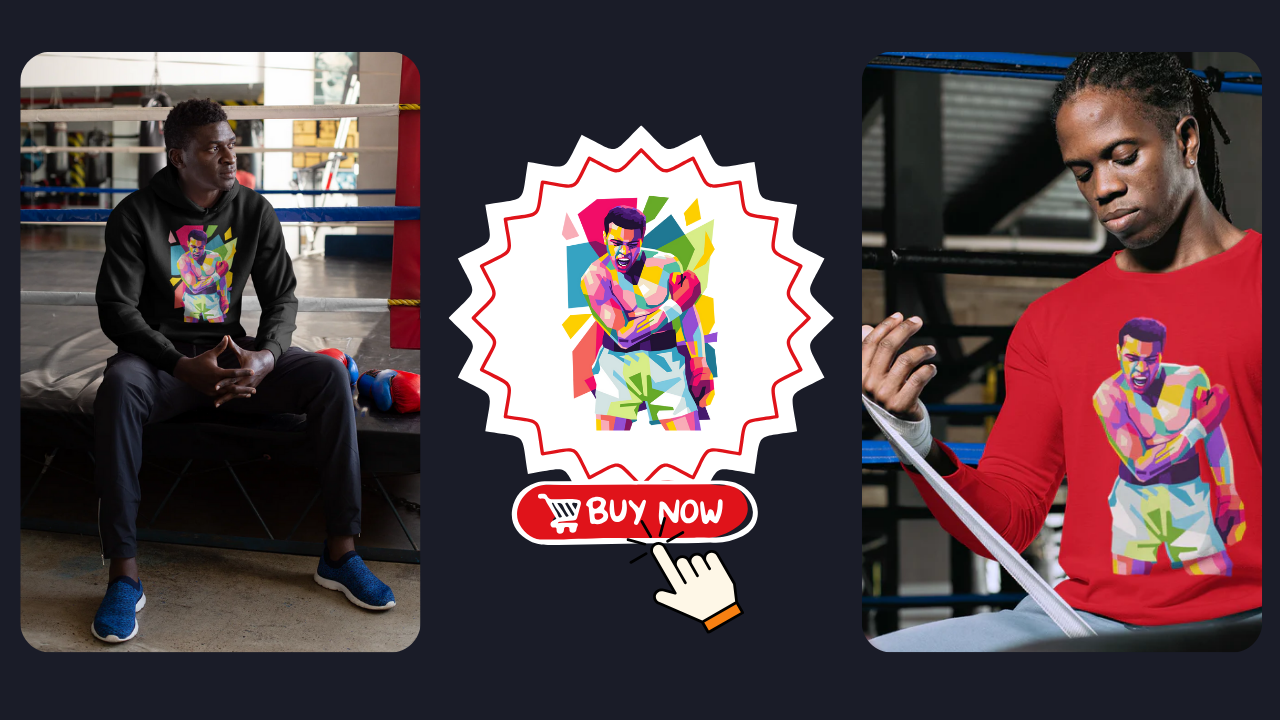
Pop Art Streetwear Jackets That Redefine Outerwear Trends
Pop Art Streetwear Jackets have become a significant facet in the evolution of modern fashion, with an emphasis on vibrant colors and bold patterns that harken back to the dynamic art movement of the 1960s. These jackets represent a stylish fusion of art and fashion, encapsulating the essence of Pop Art by embracing playful graphics, intriguing typography, and striking color palettes. As the popularity of streetwear continues to rise, Pop Art Streetwear Jackets stand out, not only transforming outerwear trends but also creating a fresh narrative in the world of style.
Understanding Pop Art Streetwear Jackets
Pop Art Streetwear Jackets are more than just garments; they are *iconic pieces* that blend the *artistic elements of Pop Art* with urban fashion sensibilities. Originating in the art scene, Pop Art is known for its bold imagery and vibrant colors, inspired by popular and mass culture. When these elements are applied to streetwear, the result is a jacket that is both a fashion statement and a piece of art.
The Evolution of Streetwear Trends
Streetwear originated in the 1980s as a reflection of the hip-hop and skate cultures. Over time, it has evolved, incorporating influences from various subcultures and art movements, particularly Pop Art. Some trends that have shaped streetwear include:
- The rise of *graphic tees* and hoodies with bold, eye-catching designs.
- The *introduction of high-fashion elements*, bridging the gap between streetwear and luxury brands.
- An increasing emphasis on individualism and *personal expression* through customizable and unique designs.
The Pop Art Influence
Pop Art's influence on streetwear, particularly jackets, is undeniable. This art movement's penchant for *bold colors*, *repetitive patterns*, and *celebrity culture references* have been seamlessly integrated into jacket designs. These jackets often feature:
- *Vibrant and bold colors* that draw attention and make a statement.
- *Playful graphics* and *iconic imagery* that resonate with pop culture enthusiasts.
- Use of *contrast and optical effects*, drawing inspiration from the likes of Andy Warhol and Roy Lichtenstein.
Key Design Elements of Pop Art Jackets
When examining Pop Art Streetwear Jackets, several key design elements stand out:
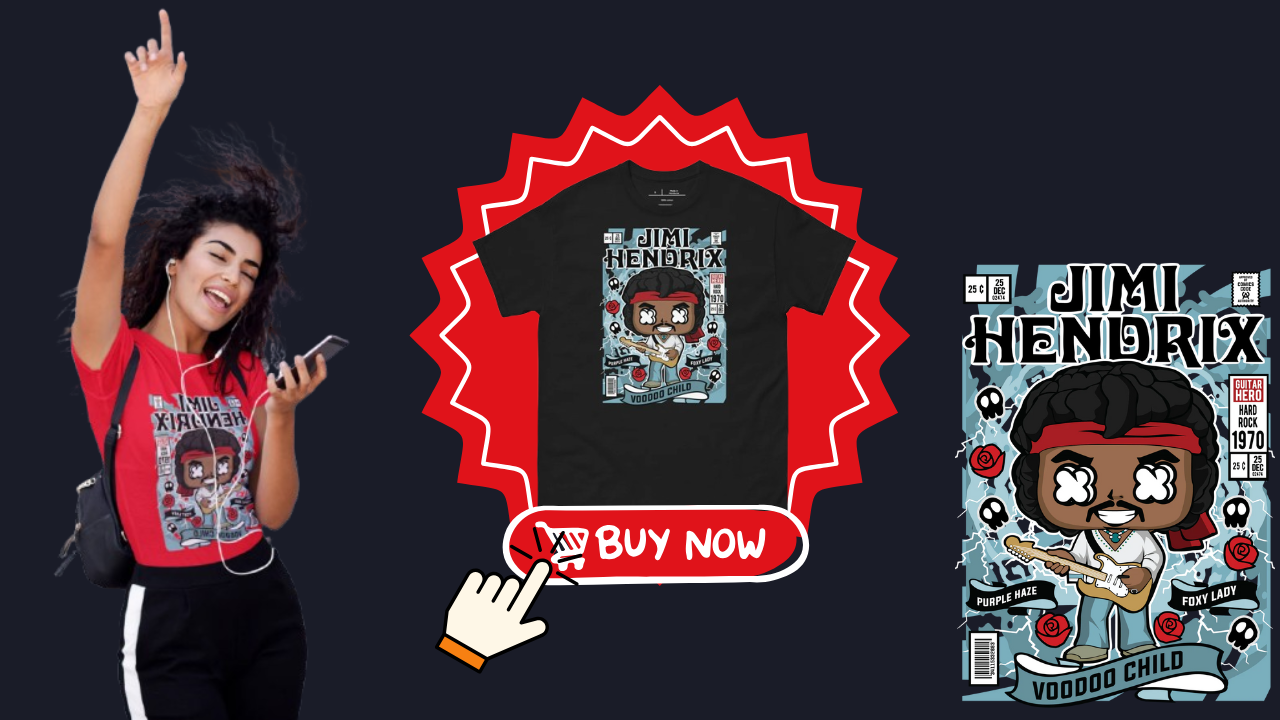
- Color Palette: Bright, vivid colors dominate, with frequent use of primary colors and contrasts.
- Graphics: Iconic pop culture images are often featured prominently on these jackets.
- Materials: Innovative use of materials such as canvas, which acts as a literal and metaphorical canvas for artistic expression.
- Typography: Bold, playful typography that delivers messages or brand names in an eye-catching manner.
How to Style Pop Art Streetwear Jackets
Pop Art Streetwear Jackets can be styled in various ways to suit different occasions and personal preferences. Here are some tips:
- Pair with *neutral-colored pants* or skirts to let the jacket make the bold statement.
- Accessorize with minimalistic jewelry to keep the focus on the jacket.
- Layer over a *plain t-shirt* to balance the overall look.
- For a daring look, combine with *conflicting patterns* and colors for a full-fledged Pop Art ensemble.
Prominent Designers in Pop Art Streetwear
Several designers and brands have made significant contributions to the Pop Art Streetwear scene, including:
- Jeremy Scott: Known for his bold and exuberant designs, often featuring pop culture references.
- Moschino: A brand that frequently incorporates *whimsical themes* and *Pop Art influences* in its collections.
- Shepard Fairey: Famed for his politically charged art, he blends striking imagery with social commentary.
Sustainability in Pop Art Streetwear
As the fashion industry increasingly shifts towards sustainability, Pop Art Streetwear Jackets are also adapting. Key practices include:
- Use of *eco-friendly materials*, such as organic cotton and recycled polyester.
- Incorporation of *ethical labor practices* in the production process.
- *Upcycling* existing garments to reduce waste while creating one-of-a-kind pieces.
- Limited-edition runs that emphasize quality over quantity, reducing environmental impact.