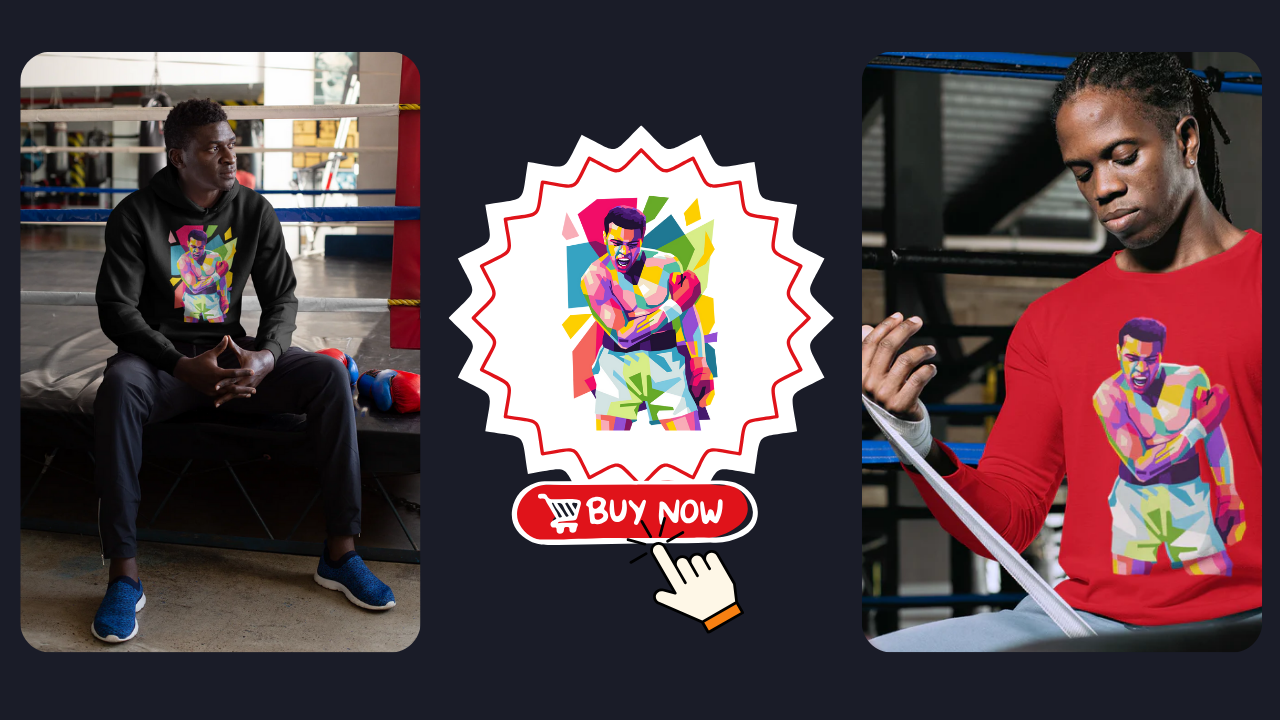
Pop Art Streetwear Brands Leading the Global Market
Pop Art Streetwear Brands are redefining fashion with their dynamic and colorful expressions. Originating in the mid-20th century, Pop Art transcended its conventional boundaries, fusing with streetwear to create a unique, globally influential style. This seamless blend has not only carved a distinctive niche in the fashion industry but also voices the diverse perspectives of urban culture. As these brands spearhead the market, they reflect a medley of art, individuality, and social commentary.
- History of Pop Art in Fashion
- Key Pop Art Streetwear Brands
- Cultural Impact of Pop Art Streetwear
- Future Trends in Pop Art Streetwear
- Conclusion
History of Pop Art in Fashion
Originating in the post-war 1950s and 60s, Pop Art became a symbol of a cultural revolution, with artists like Andy Warhol and Roy Lichtenstein leading the movement. Their bold, satirical, and mass culture-inspired creations laid the groundwork for a new fashion language. Pop Art entered streetwear in the late 20th century, driven by aficionados seeking to challenge traditional fashion norms. This integration highlights the dynamic exchange between culture and attire, where art is not just admired but worn.
Key Pop Art Streetwear Brands
Several brands have emerged as pioneers in the Pop Art streetwear sector, each bringing unique elements and narratives. Here are some of the leading contenders:
- Supreme: Collaborating with numerous Pop Art icons, Supreme bridges the gap between art galleries and urban streets.
- Obey: Known for its iconic "Andre the Giant" logo, Obey incorporates politically charged messages in its Pop Art-themed apparel.
- Lazy Oaf: With quirky motifs and vibrant colors, Lazy Oaf captures the playful spirit of Pop Art.
- Uniqlo UT: Through their art collaborations, Uniqlo UT brings the works of diverse artists to everyday clothing, democratizing art access.
Cultural Impact of Pop Art Streetwear
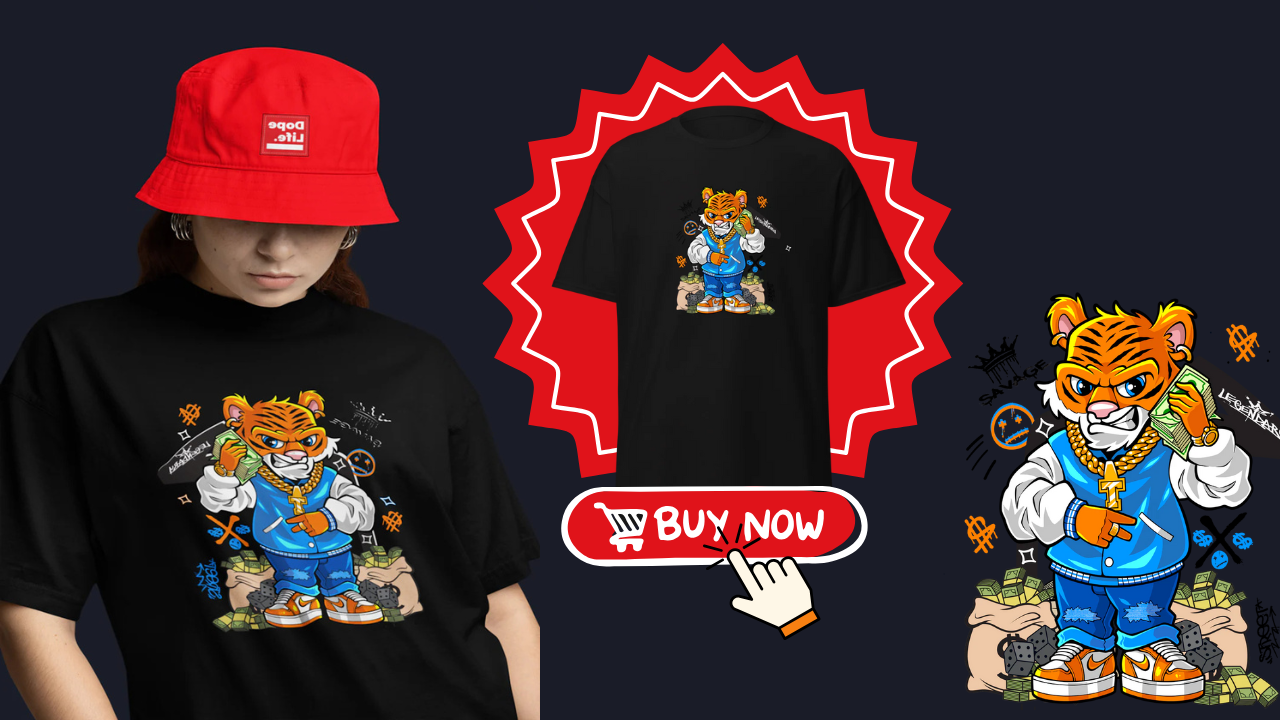
Beyond aesthetics, Pop Art streetwear plays a crucial role in shaping and reflecting society's evolving narratives. It resonates with both young and older generations, serving as a medium for expression and dialogue. By merging art with fashion, these brands provoke discussions about consumerism, identity, and cultural influence. The widespread appeal of Pop Art streetwear attests to its power to cross cultural and geographical boundaries, embodying a universal language of contemporary artistry.
Future Trends in Pop Art Streetwear
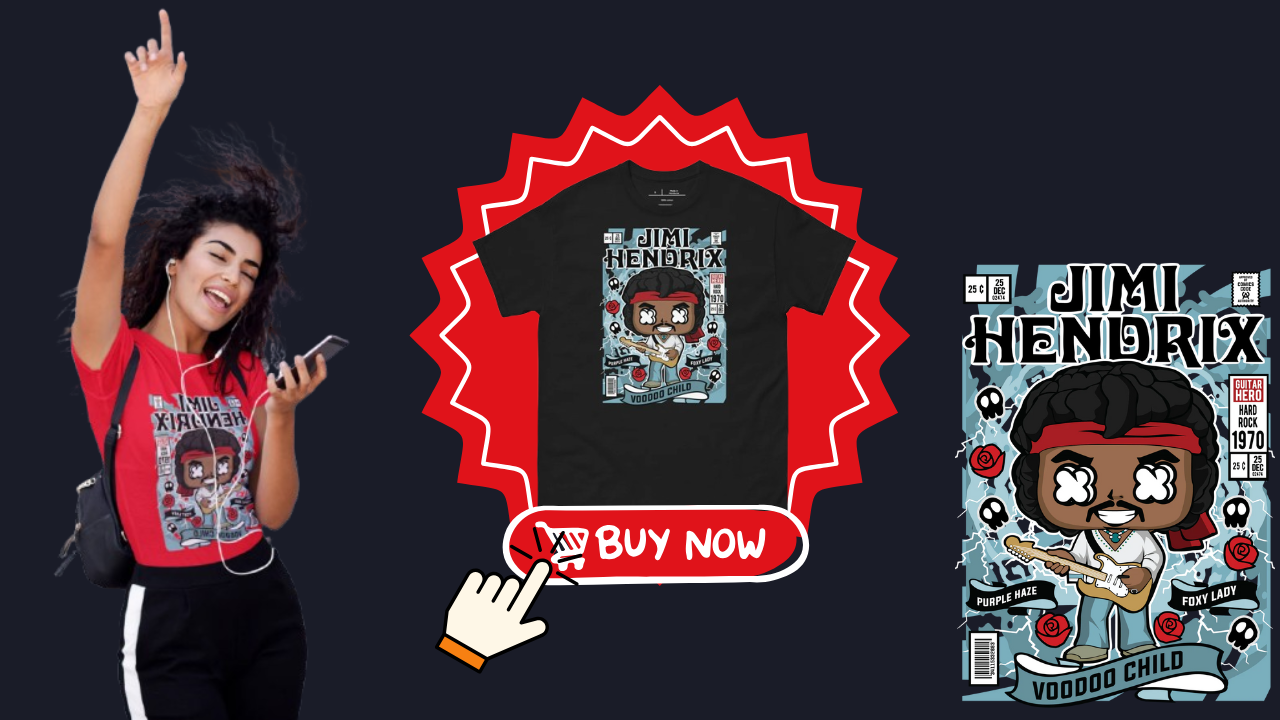
Looking forward, Pop Art streetwear is poised to integrate more technological innovations. As digital art and NFTs gain traction, the possibility of incorporating these elements into streetwear could lead to groundbreaking fashion experiences. Furthermore, a push towards sustainable practices will likely influence material choices and production methods, aligning Pop Art streetwear with global environmental goals.
Conclusion
In conclusion, Pop Art Streetwear Brands represent a significant segment of the global fashion market, infusing it with evocative art and cultural dialogue. As these brands continue to innovate, their influence will extend beyond mere fashion, contributing to broader societal narratives. Whether through provocative designs or socio-political themes, Pop Art streetwear is more than a trend—it's a movement that continues to shape our cultural landscape, redefining the way we perceive and embody art in daily life.