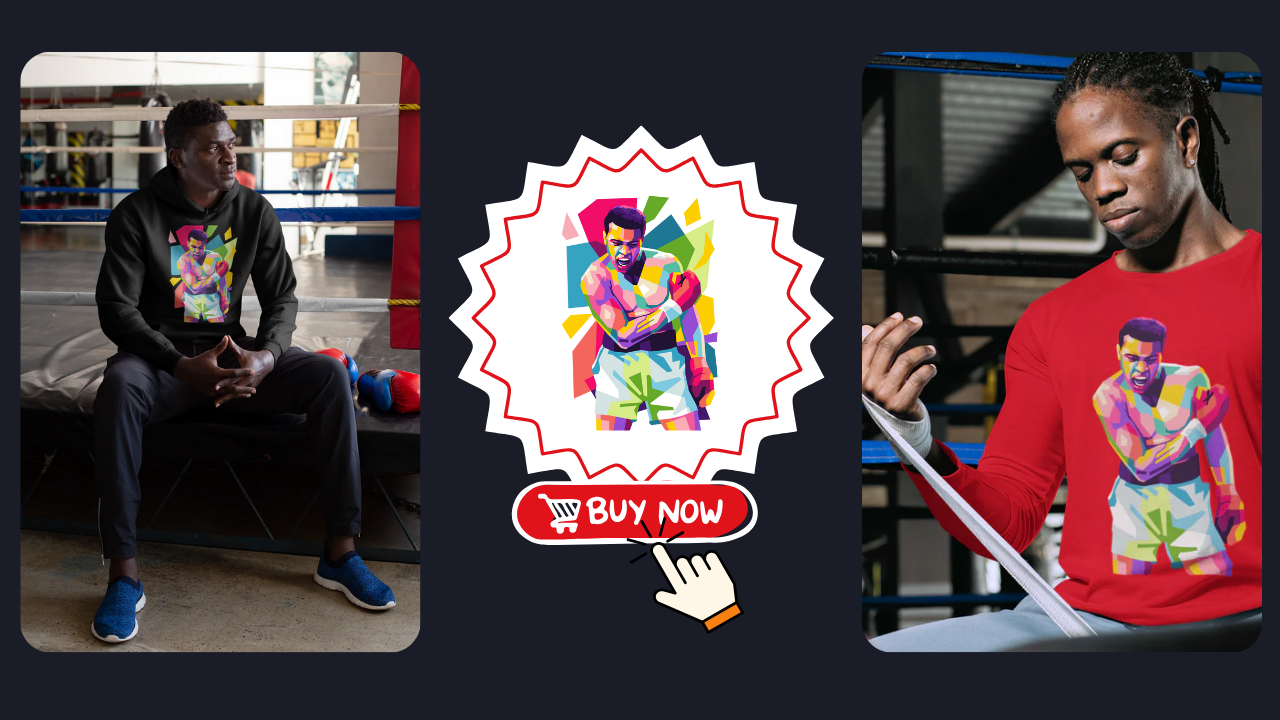
Pop Art Prints Making Waves in Streetwear Runways
The world of fashion is ever-evolving, with each season bringing new trends and inspirations drawn from various art forms. One such influential art movement, Pop Art, is currently making a significant impact on streetwear runways through its bold prints and vibrant aesthetic. This intersection between art and fashion is not only refreshing but also a powerful statement of cultural fusion, capturing the spirit of the modern generation.
- Pop Art Origins in Streetwear
- Iconic Pop Artists Shaping Fashion
- Influence of Pop Art on Modern Streetwear
- Pop Art Print Techniques and Materials
- The Future of Pop Art in Fashion
- Conclusion
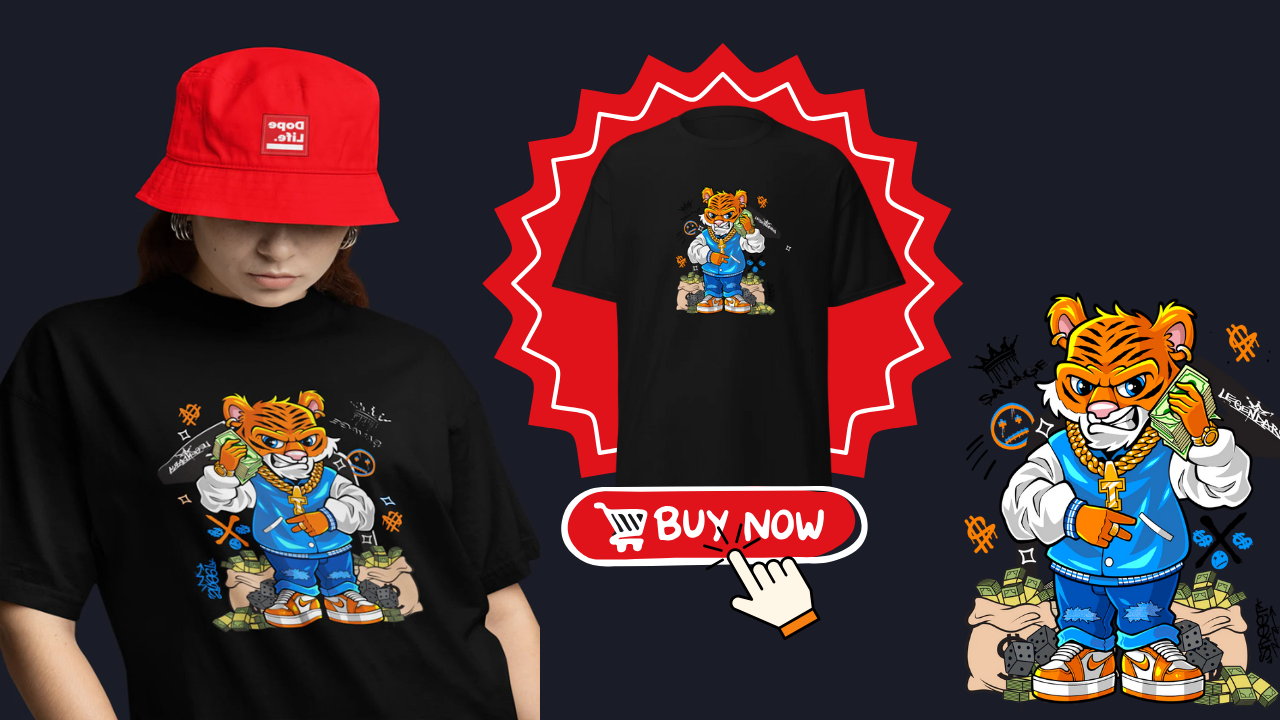
Pop Art Origins in Streetwear
Pop Art emerged in the 1950s as a rebellious wave against traditional fine art by incorporating imagery from popular and commercial culture, like advertising, comic books, and mundane cultural objects. Its influence seeped into various realms, including fashion, where it has become a cornerstone in streetwear aesthetics. The core principles of Pop Art—bold colors, whimsical designs, and mass culture themes—align seamlessly with the daring and individualistic nature of streetwear.
Iconic Pop Artists Shaping Fashion
Several artists have had a profound influence on both the Pop Art movement and its foray into fashion:
- Andy Warhol: Famous for his Campbell's Soup Cans and Marilyn Monroe prints, his work epitomizes the linkage between art and consumerism.
- Roy Lichtenstein: Known for his comic-strip style, Lichtenstein’s impact is visible in fashion pieces that mimic his distinctive Ben-Day dots and narrative panels.
- Keith Haring: His vivid, graffiti-like work has translated attention-capturing elements into wearable art that resonates well with street culture.
Influence of Pop Art on Modern Streetwear
Streetwear brands are not just drawing inspiration from Pop Art; they’re using it to define their lines. This has translated to a variety of recognizable trends in today’s fashion market:

- Graphic T-shirts: Dominated by bold, loud imagery that echoes Pop Art themes.
- Statement Outerwear: Jackets are now canvases, showcasing Pop Art prints that double as personal expression pieces.
- Collaborative Collections: Brands often collaborate with Pop Art estates or contemporary artists to maintain authenticity and creativity in their collections.
Pop Art Print Techniques and Materials
Integrating Pop Art prints into fabric requires specialized techniques to ensure that the vividness and clarity of the designs are preserved:
- Screen Printing: A traditional method that allows the vibrant colors of Pop Art to remain vivid and saturated.
- Digital Printing: Offers high precision, enabling intricate Pop Art patterns to be replicated faithfully on textiles.
- Eco-friendly Dyes: In response to environmental concerns, many brands are opting for sustainable dye alternatives to ensure that Pop Art fashion is as environmentally responsible as it is impactful.
The Future of Pop Art in Fashion
As Pop Art continues to ascend in streetwear fashion, it paves the way for several potential directions:
- Technological Integration: As technology in fabric printing evolves, expect more animated or holographic Pop Art designs.
- Cultural Hybridization: There will likely be a fusion with other global art movements, which could create unique sub-genres within streetwear.
- Sustainability Focus: As the fashion industry moves towards more ethical production practices, Pop Art will likely adapt to incorporate eco-conscious methods without losing its striking impact.
Conclusion
The blend of Pop Art prints and streetwear embodies a cultural symbiosis that is as dynamic as it is stylish. As Pop Art continues to influence streetwear runways, it speaks to individuals who crave expression through clothing, making it more than just a trend, but rather a lasting statement in modern fashion culture.