

Pop Art Meets Crypto Culture The Ultimate Fusion
The art world is continually evolving, with new forms and styles emerging as society itself changes. One of the most intriguing evolutions in modern art is the fusion of Pop Art, known for its vibrant colors and societal commentary, with the groundbreaking technology of Crypto Culture, characterized by its innovation and digital presence. This meld represents a convergence of traditional artistic principles with cutting-edge digital trends, reshaping how we perceive and value art in the contemporary era.
Article Outline
- The Origin and Influence of Pop Art
- Understanding Crypto Culture
- Pop Art in the NFT Space
- The Impact of Their Fusion
- Modern Icons Blending Styles
- Future Trends and Developments
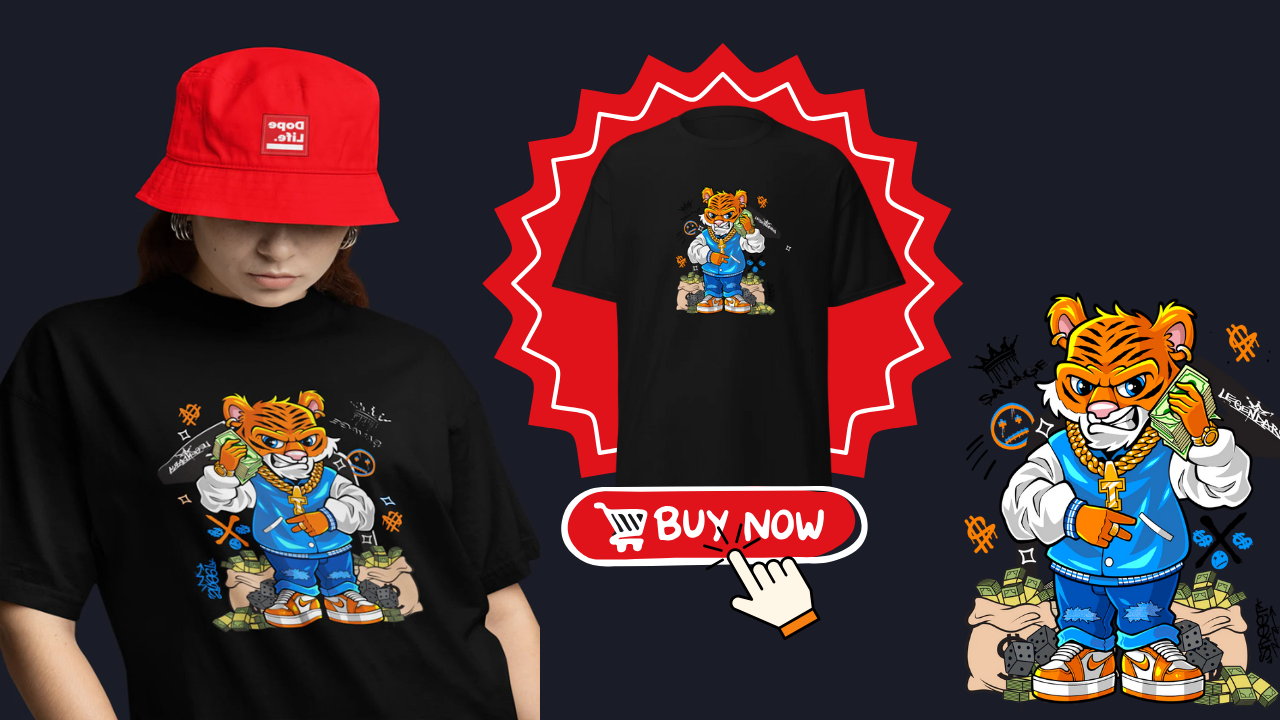
The Origin and Influence of Pop Art
Pop Art emerged in the mid-20th century as a response to the dominant ideas in fine art. It challenged traditional norms by focusing on images and trends from popular culture, including advertising, comic books, and everyday objects. Famous Pop Artists like Andy Warhol and Roy Lichtenstein elevated mundane subjects to the status of fine art, making art accessible to the masses. This style celebrates the mundane and the kitsch, using vibrant colors and bold styles to draw viewers in.
- Foundation: Inspired by consumerism and mass media
- Key Artists: Andy Warhol, Roy Lichtenstein, Jasper Johns
- Features: Simple, bold imagery, repetition, use of irony
Understanding Crypto Culture
Crypto Culture is the digital counterpart of Pop Art, synonymous with innovation, decentralization, and digital technology. It primarily revolves around blockchain technology and cryptocurrencies like Bitcoin and Ethereum. The term also encompasses the rise of non-fungible tokens (NFTs), which have redefined how digital art is owned and traded. Cryptocurrency enthusiasts emphasize decentralization, security, and utility, which greatly contrast with traditional financial systems.
- Core Concepts: Cryptography, decentralization, blockchain technology
- Tools & Platforms: Bitcoin, Ethereum, Smart Contracts
- Key Elements: NFTs, digital assets, secure transactions
Pop Art in the NFT Space
The crossover of Pop Art into the NFT space is a game-changer in the art market. NFTs provide a modern platform for creators to sell digital Pop Art, reaching audiences they couldn't access through traditional art galleries. Digital marketplaces like OpenSea and Rarible have become pivotal platforms for trading and showcasing such art.
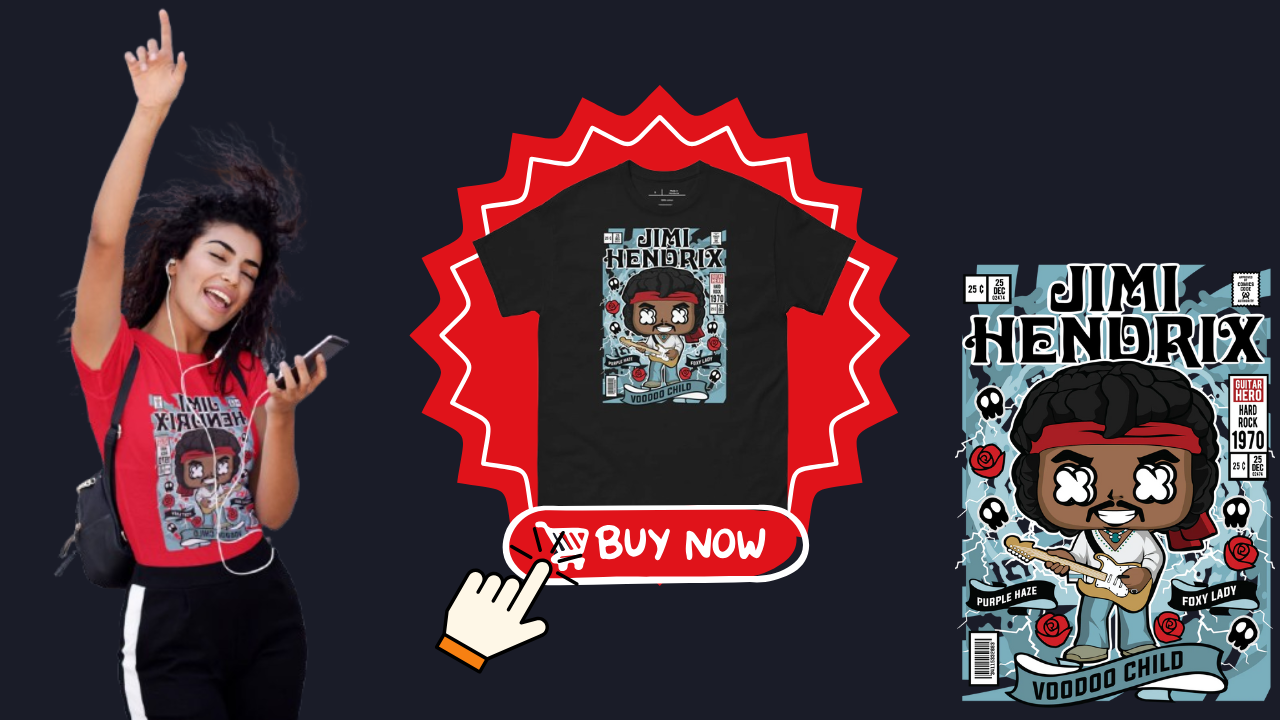
- Accessibility: Wider audience reach through online platforms
- Monetization: Artists can sell directly to collectors without intermediaries
- Preservation: Blockchain ensures data authenticity and provenance
The Impact of Their Fusion
The blending of Pop Art and Crypto Culture has democratized art creation and appreciation. This fusion has led to the emergence of digital galleries, virtual reality exhibitions, and unique art installations that were previously unimaginable.
- Art Democratization: Broadens participation across cultures and regions
- Economic Impact: New revenue streams for artists and stakeholders
- Cultural Exchange: Fosters a global art dialogue
Modern Icons Blending Styles
Artists at the intersection of these worlds are leading a cultural renaissance. Creators like Beeple, who became famous for his digital art collections, exemplifies this modern fusion. By combining the familiar aesthetics of Pop Art with digital mediums provided by Crypto Culture, these artists are paving the way for a new art era.
- Innovators to Watch: Beeple, Pak, Trevor Jones
- Exhibited Works: Digital series, virtual reality art, interactive NFTs
- Market Reaction: Increasing interest and investment in hybrid art forms
Future Trends and Developments
The synergy between Pop Art and Crypto Culture is still evolving. Experts predict a rise in new artistic formats, including Augmented Reality (AR) art, increased interactivity, and even more personalized art experiences tailored to individual preferences through the use of AI and machine learning algorithms.
- Increasing Integration: Expanded use of AR and VR in art
- Technological Advances: AI-driven art creation, custom experiences
- Market Growth: Continued expansion and diversification of digital art markets
 . The content provides detailed insights while remaining engaging and accessible to a wider audience.