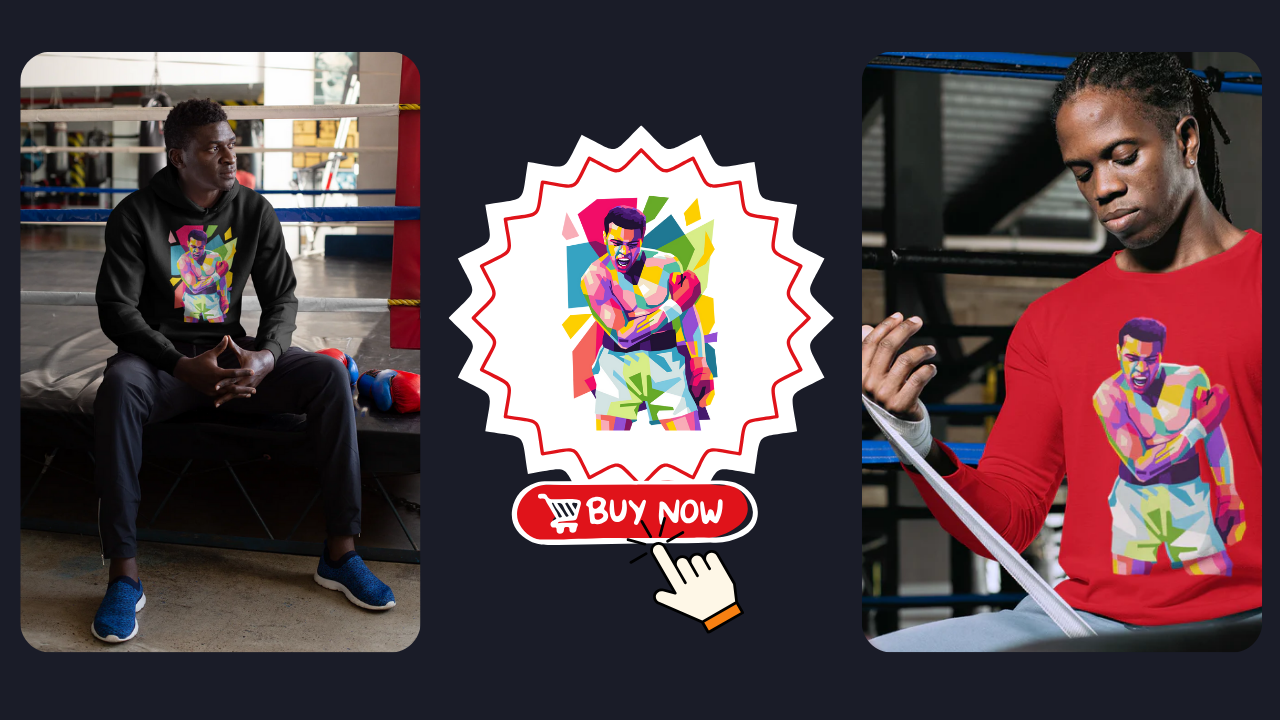
Pop Art-Inspired Streetwear That Dominated New York Fashion Week
Pop Art, an art movement that emerged in the 1950s, has continued to make waves in the fashion world, particularly in streetwear. Its bold colors, playful imagery, and cultural references create designs that defy traditional fashion norms. At New York Fashion Week, Pop Art-inspired streetwear stole the spotlight, illustrating how this genre continues to influence contemporary fashion designers. From eye-catching prints to eclectic mixes of colors and patterns, these creations offer a unique and vibrant twist on everyday clothing.
Jump to:
- Origins of Pop Art and Its Influence on Fashion
- Pop Art's Ascendancy in New York Fashion Week
- Designers Making a Statement with Pop Art-Inspired Creations
- Key Features of Pop Art Streetwear
- Impact of Pop Art Streetwear on Today's Fashion
Origins of Pop Art and Its Influence on Fashion
Pop Art emerged in the mid-20th century as a revolutionary art movement led by iconic figures such as Andy Warhol and Roy Lichtenstein. Characterized by its vibrant colors and depiction of everyday consumer goods, it challenged traditional views of art. These elements transitioned seamlessly from galleries to the streets, influencing not just visual art but also fashion design. Streetwear, with its roots in casual, urban clothing, adopted Pop Art's vivid and satirical style, merging high art with wearable fashion.
- Key Elements: Bright colors, bold patterns, and iconic imagery
- Popular Figures: Andy Warhol's Campbell's Soup Cans, Roy Lichtenstein's comic-inspired works
- Era: Primarily 1950s-1970s, with renewed influence in contemporary trends
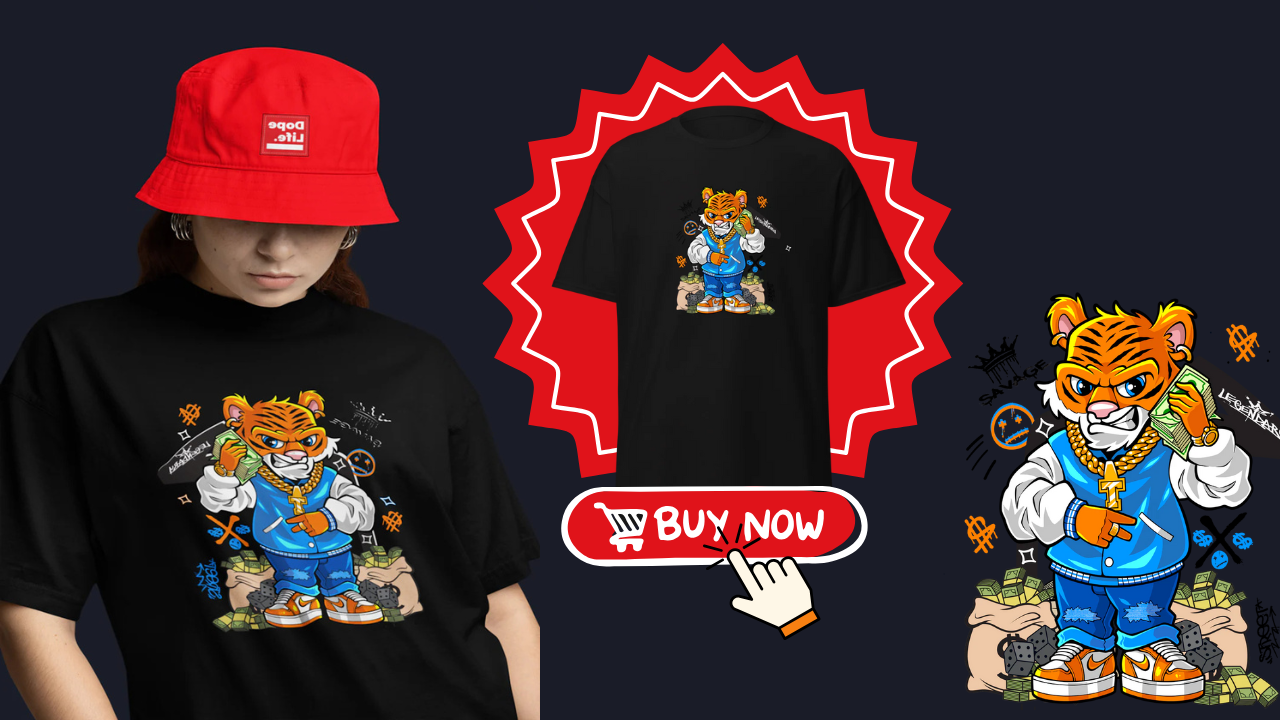
Pop Art's Ascendancy in New York Fashion Week
New York Fashion Week is a global platform for emerging and established designers to showcase their latest collections. Recently, Pop Art-inspired streetwear has become a major trend, capturing the essence of urban youth culture while reflecting societal sentiments through fashion. The presence of Pop Art-infused designs highlights how this movement's aesthetics are not just nostalgic but also *timeless*, continuing to capture the attention of fashion enthusiasts and consumers.
- Visual Impact: Looks that are eye-catching with a focus on vibrant and unconventional themes
- Hybrid Styles: The blending of traditional streetwear with avant-garde design
- Audience Appeal: Appeals to both art lovers and fashion-forward individuals
Designers Making a Statement with Pop Art-Inspired Creations
Numerous designers are embracing Pop Art, embedding it into their streetwear collections and redefining modern fashion norms. Brands have incorporated these daring themes into their designs, sparking renewed interest and demand for artistic garments. Jeremy Scott and Virgil Abloh are two infamous designers known for their edginess and ability to surprise audiences with daring and dynamic pieces.
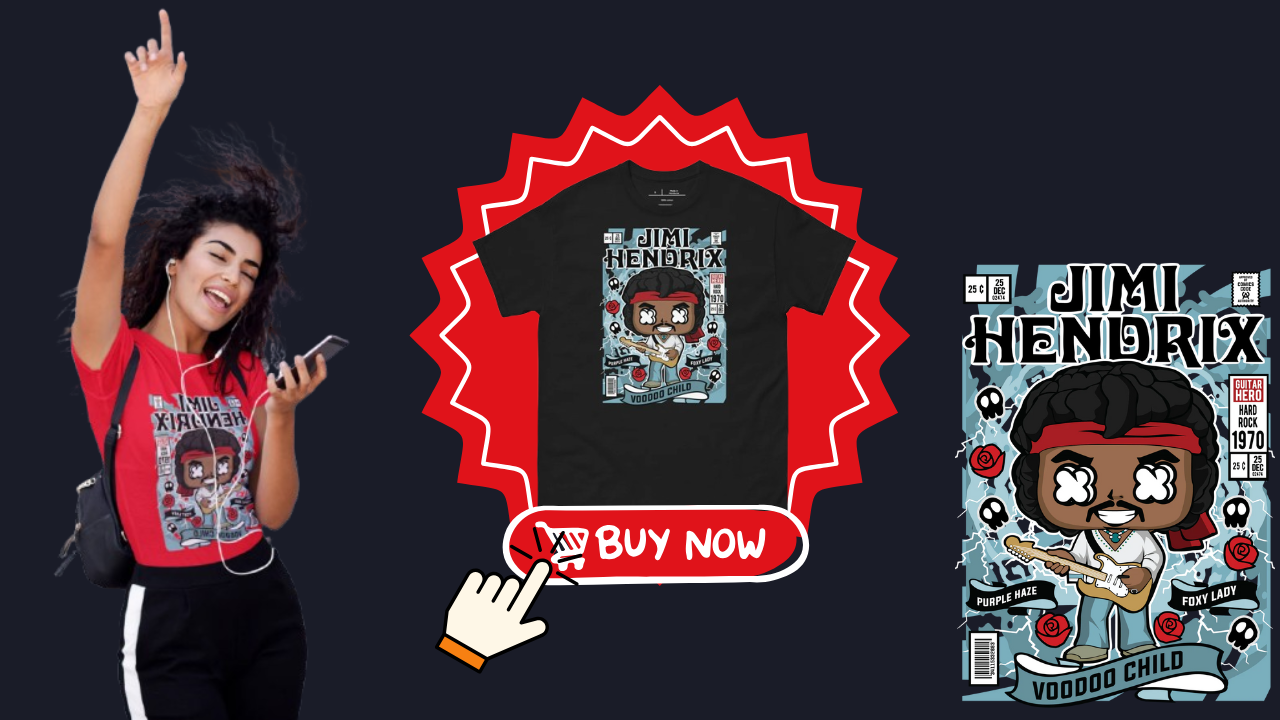
- Jeremy Scott: Known for his flamboyant approach and incorporation of Pop Art into his collections seamlessly
- Virgil Abloh: Brought Pop Art elements into mainstream streetwear, often collaborating with artists
- Emerging Designers: New talents are also gaining recognition by adopting these bold, thematic styles
Key Features of Pop Art Streetwear
The Pop Art-inspired pieces seen at New York Fashion Week were defined by several distinctive features. These elements set them apart from more traditional streetwear, providing a refreshing take on everyday fashion.
- Graphic Prints: Pieces adorned with distinctive prints reminiscent of comic book art
- Color Explosion: Bright, contrasting colors that draw the eye
- Material Play: Use of unusual materials to mimic textures found in visual art
- Oversized Silhouettes: Art is meant to be seen, and oversized pieces make it easily visible
Impact of Pop Art Streetwear on Today's Fashion
The influence of Pop Art on streetwear at New York Fashion Week highlights its enduring appeal in contemporary fashion. The exhibition of these creative designs demonstrates an ongoing dialogue between art and attire, transcending traditional fashion barriers. Moreover, it underscores streetwear's capacity to convey *personal and cultural narratives* through compelling visuals.
- Cultural Representation: Pieces often reflect contemporary societal issues, making fashion both expressive and socially relevant
- Market Influence: These collections drive consumer interest and sales, especially among younger generations eager for innovation
- Innovation in Expression: Encourages designers to continue exploring experimental styles
In conclusion, Pop Art continues to be an influential force in modern streetwear, showcasing its potential to blend art and fashion innovatively. Through various designers, this movement is celebrated on prominent stages like New York Fashion Week, reinforcing its significance and enduring appeal in the ever-evolving fashion landscape.