How to Use Color Palettes for Vibrant Pop Art Compositions
Pop art, known for its bold colors and playful themes, offers a refreshing take on artistic expression by drawing inspiration from popular culture. At the heart of these vibrant compositions lies an effective use of color palettes. Whether you're an aspiring pop artist or simply fascinated by the art form, understanding how to choose and use colors can transform your artwork from mundane to magnificent. In this article, we'll explore strategies, tips, and techniques for creating eye-catching pop art compositions through effective color palette selection.
Article Outline
- The Importance of Color Palettes in Pop Art
- Understanding Color Theory Basics
- Popular Color Palettes in Pop Art
- Tips for Creating Your Own Pop Art Color Palette
- Tools and Resources for Color Selection
- Conclusion: Embrace the Power of Color in Pop Art
The Importance of Color Palettes in Pop Art
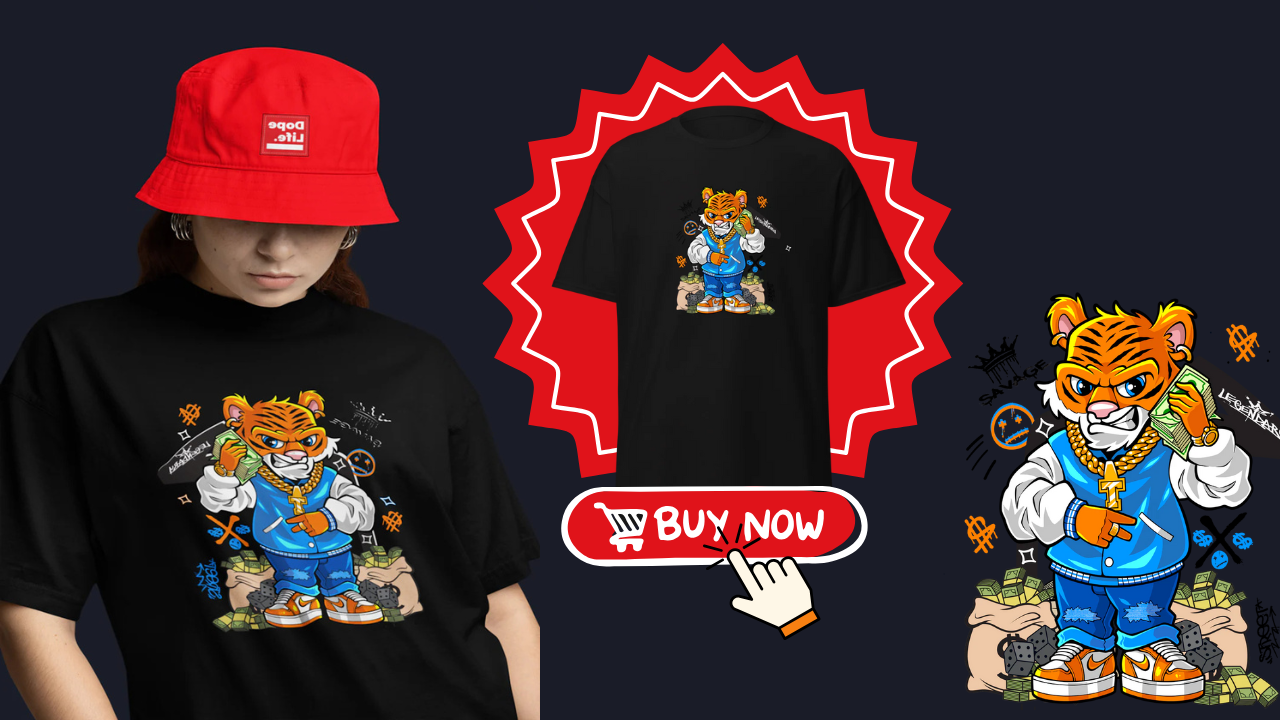
Color is an integral element of pop art that can capture attention and evoke emotion. A well-chosen palette enhances the narrative and helps deliver deeper meanings behind the playful exterior of pop compositions. By selecting the right mix of colors, artists can guide viewers' emotions and focus, making color palette selection a fundamental skill for any pop artist aiming to create vibrant and impactful work.
Understanding Color Theory Basics
Before diving into color selection, it's crucial to have a grasp of basic color theory. This knowledge provides a foundation for creating balanced and dynamic art. Key concepts include:
- Primary Colors: Red, yellow, blue - the base colors that can't be created through mixing.
- Secondary Colors: Green, orange, purple - formed by mixing primary colors.
- Tertiary Colors: Combinations of primary and secondary colors, offering a wider spectrum.
- Complementary Colors: Colors located opposite each other on the color wheel, such as blue and orange, which create contrast and vibrancy.
Understanding these concepts can greatly assist in creating harmonious and striking compositions.
Popular Color Palettes in Pop Art
Many iconic pop art pieces utilize certain color palettes that have become synonymous with the genre. Some of these include:
- Bold Primaries: A mix of strong primary colors that reflect the vibrant nature of pop culture.
- Pastels and Neons: Often used to emphasize contrast and produce a playful vibe.
- Monochromatic Schemes: Variations within the same hue to focus on form and composition.
Recognizing these palettes can guide you in developing your personal pop art style.
Tips for Creating Your Own Pop Art Color Palette
- Research and Inspiration: Look at existing pop art pieces to see how color is used effectively.
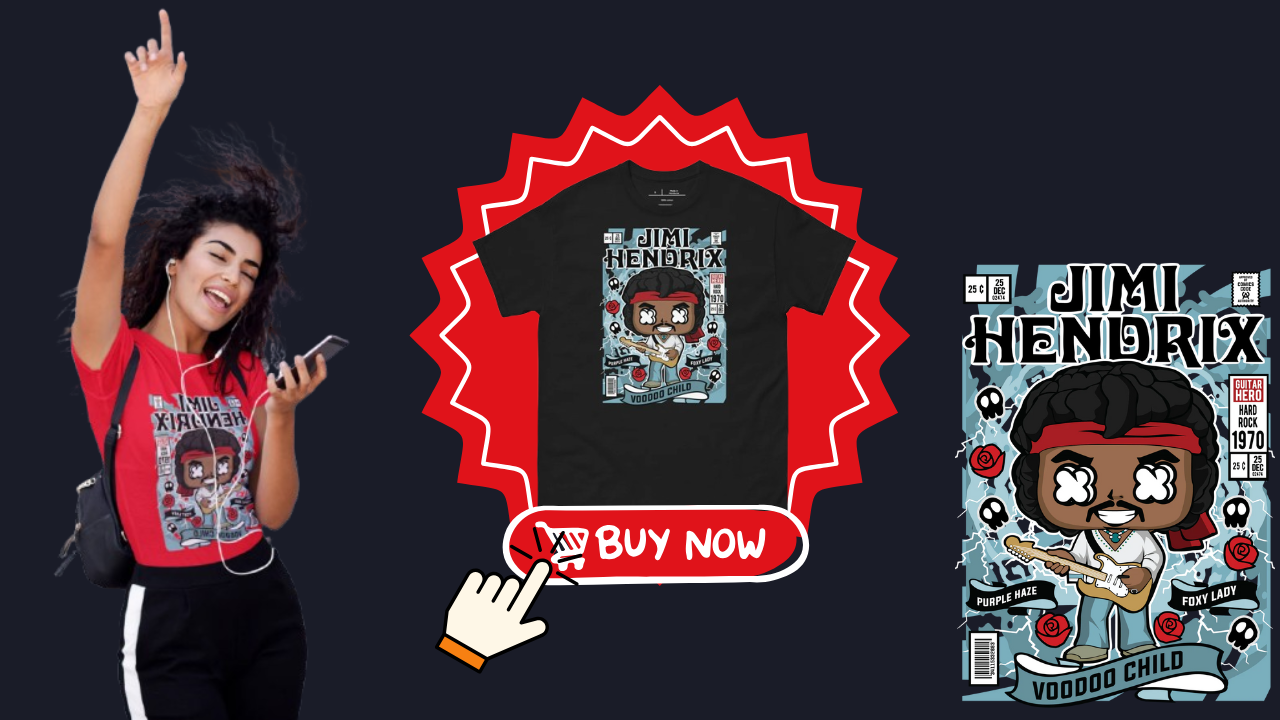
- Experimentation: Don't shy away from unusual color combinations - pop art celebrates the bold and unexpected.
- Digital Tools: Utilize software to mock up ideas and visualize how different colors interact.
- Themes and Narrative: Align your color choices with the message or theme of your artwork for a cohesive feel.
Tools and Resources for Color Selection
To make informed decisions about color, consider using these resources:
- Color Theory Books: Delve deeper with books that explore color theory in art.
- Digital Tools: Use platforms like Adobe Color and Canva for a wide selection of palettes.
- Online Tutorials: Platforms like YouTube and online art courses offer tutorials on creating color palettes.
These tools will equip you with a more profound understanding and ability to experiment with colors confidently.
Conclusion: Embrace the Power of Color in Pop Art
Color is more than a visual component in pop art; it’s a tool for storytelling and evoking emotion. Mastering color palettes allows artists to produce compositions that capture the spirit of pop culture with vibrancy and impact. By understanding color theory, learning from renowned palettes, and using available tools and resources, you can create stunning works of pop art that resonate with viewers.
Incorporate these insights as you embark on your journey into the world of pop art, and let color be your dynamic partner in artistic expression.