

How to Design Pop Art Comic Scenes with Humor
Pop Art, a vibrant and engaging art movement that emerged in the 1950s, has a unique way of capturing attention through its bold colors, striking visuals, and incorporation of popular culture elements. Designing Pop Art comic scenes with humor involves understanding the fundamental characteristics of Pop Art while blending them with comedic elements to create pieces that are both visually appealing and entertaining. Whether you're an aspiring artist or a seasoned designer, this guide will provide you with insightful tips and techniques for creating humorous Pop Art comic scenes.
Understanding Pop Art
To effectively design Pop Art comic scenes, it's crucial to have a solid understanding of what makes Pop Art unique. Here are the key characteristics:
- Bold Colors: Use bright, contrasting colors to capture the viewer's attention.
- Popular Culture Influence: Draw inspiration from everyday objects, celebrities, and media.
- Strong Lines and Dots: Utilize defined lines and Ben-Day dots to create texture and depth.
- Repetitive Patterns: Incorporate patterns to add rhythm and movement to the artwork.
Crafting Comic Scenes
Comic scenes in Pop Art are characterized by their dynamic nature and the ability to narrate a story succinctly. Here’s how to craft effective comic scenes:
- Create Relatable Characters: Develop characters that resonate with your audience through recognizable traits and appearances.
- Define a Compelling Storyline: Keep the narrative simple yet engaging, often using satire or exaggeration.
- Integrate Dialogue Wisely: Use text bubbles to add humor and context; keep the language concise and punchy.
Incorporating Humor
Humor is a defining element of Pop Art comic scenes, giving them an edge over other comic styles. Here’s how to infuse humor effectively:
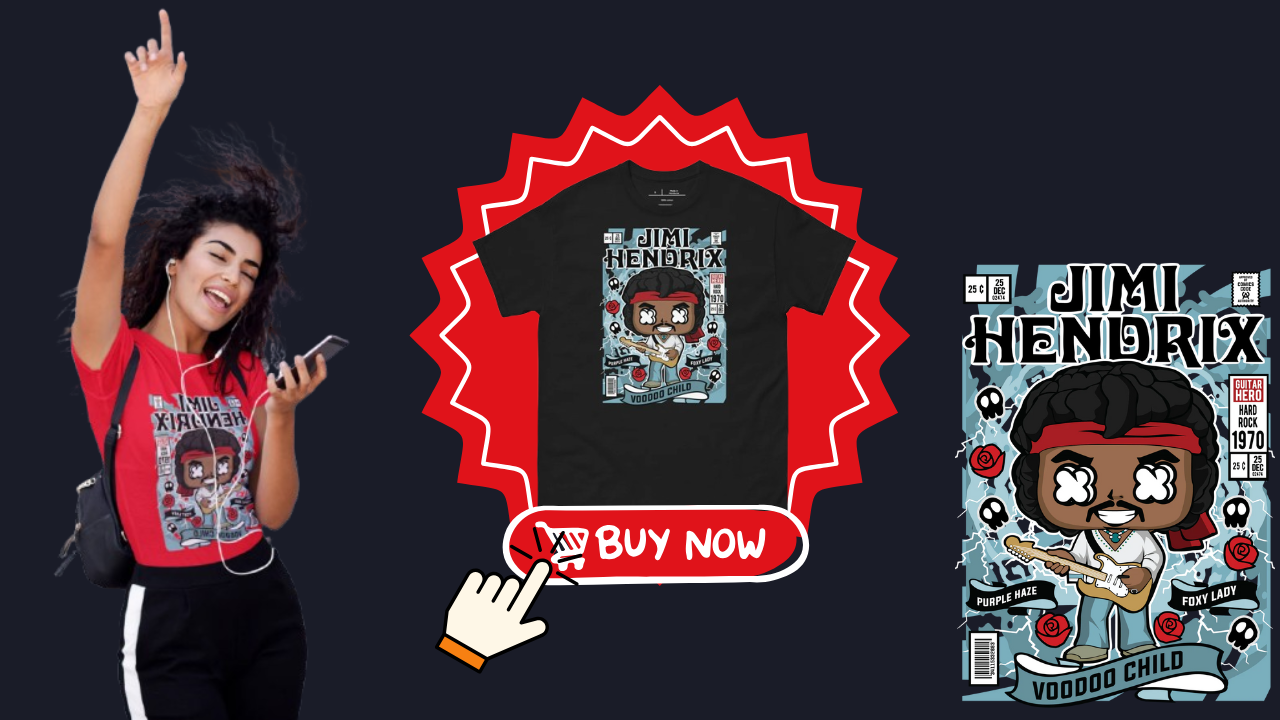
- Exaggeration: Amplify features or situations to a comedic level, making them larger-than-life.
- Irony and Satire: Critique or mock societal norms using wit and irony.
- Visual Puns: Use clever visual cues or wordplay to provoke laughter.
Practical Tips for Designing
Here are some practical tips to ensure your Pop Art comic scenes are both humorous and impactful:
- Plan Your Layout: Use a grid system to arrange elements for clarity and flow.
- Contrast Wisely: Ensure the colors and patterns you choose enhance the readability and humor.
- Experiment with Mediums: Whether digital or traditional mediums, explore different techniques to find the best fit for your style.
Finding Inspiration
Inspiration for Pop Art comic scenes can come from a variety of sources, including:
- Classic Pop Art Pieces: Study works by pioneers like Roy Lichtenstein and Andy Warhol.
- Movies and TV Shows: Observe storytelling techniques and visual humor.
- Everyday Life: Identify humorous elements in everyday situations to incorporate into your artwork.
 This HTML blog article is structured to be informative, engaging, and optimized for search engine ranking. By including relevant keywords and ensuring a natural flow, it enhances both readability and SEO performance. Bullet points and clear headings make the content easy to navigate, enticing readers to explore the elements of designing humorous Pop Art comic scenes.