How to Design Pop Art Comic Scenes with Humor
Pop Art, an art movement that emerged in the 1950s, is known for its bold colors, playful themes, and incorporation of popular culture elements. Designing Pop Art comic scenes with humor not only captures attention but also evokes emotion, making your artwork memorable and engaging. This article guides you through the essentials of crafting comic scenes with a humorous twist, offering tips and techniques to create visual comedy that pops.
Understanding Pop Art in Comics
Pop Art in comics is characterized by its use of imagery from popular culture, vibrant colors, and a blend of irony and humor. To effectively design Pop Art comic scenes, one must first grasp the essence of Pop Art aesthetics. This involves:
- Studying iconic Pop Art works by artists like Andy Warhol and Roy Lichtenstein.
- Identifying common themes such as consumerism, mass media, and celebrity culture.
- Understanding the visual language of comic strips and how it interacts with Pop Art elements.
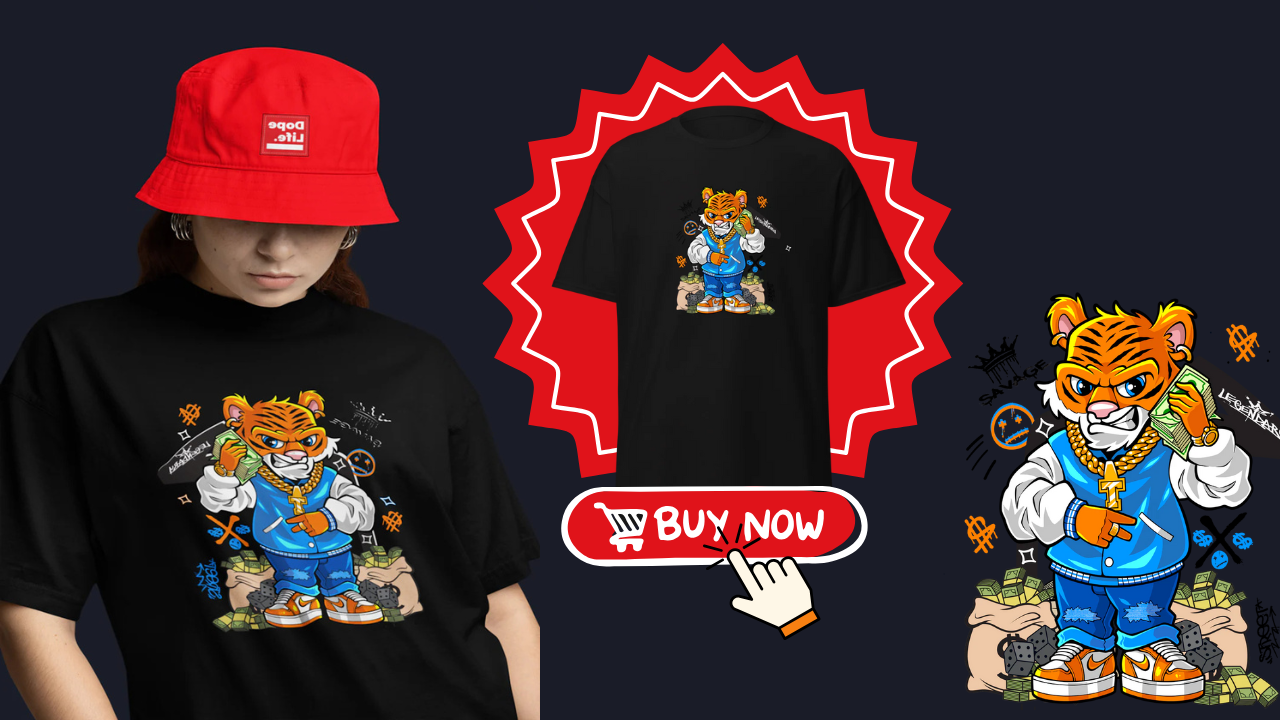
Incorporating Humor into Pop Art
Humor is subjective, yet there are key strategies to infuse comedy into your comic scenes:
- Exaggerated Features: Utilize bold, exaggerated facial expressions and actions to convey humor.
- Satirical Themes: Critique societal norms or highlight absurdity in everyday situations through satire.
- Visual Puns: Play on words with visual elements that enhance the comedic effect.
- Using unexpected juxtapositions and absurdities to surprise and amuse the audience.
Essential Design Elements
When designing Pop Art comic scenes, consider these crucial elements:
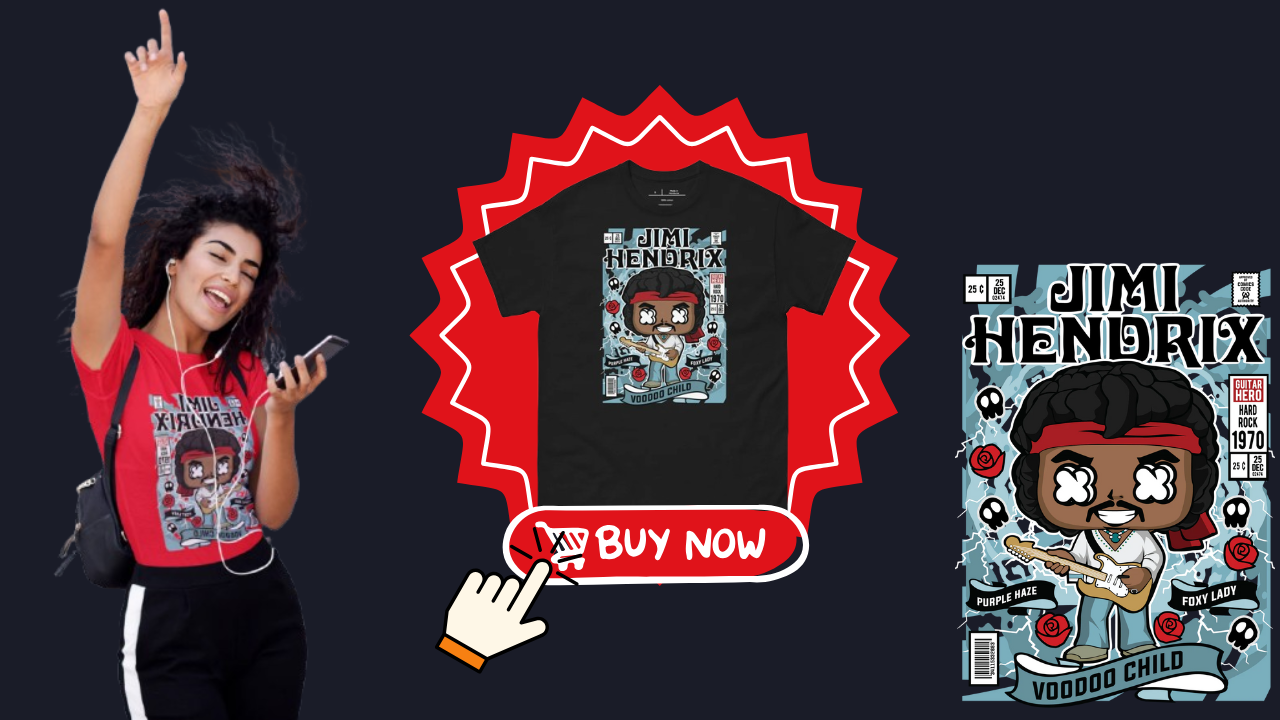
- Bold Color Schemes: Use contrasting and vivid colors to stand out.
- Dynamic Composition: Create movement and energy within your artwork.
- Incorporate thought and speech bubbles to enhance storytelling and humor.
- Pay attention to line work; thick, black lines common in comic art make characters and objects pop.
Creative Techniques for Comic Scenes
These techniques will help bring your comic scenes to life:
- Panel Design: Experiment with panel shapes and sizes to break the conventional grid, adding interest.
- Utilize close-ups and wide shots to emphasize key moments or gags.
- Integrate multimedia elements like texture or typography to enhance the comic effect.
- Collaborate with writers or other artists for diverse perspectives and ideas.
Using Color Theory for Impact
Effectively leveraging color theory can dramatically enhance the impact of your comic scenes:
- Understand color psychology and how different hues evoke varying emotions.
- Consider the contrast between colors to ensure elements stand out and convey the desired mood.
- Use the complementary color scheme to create visual interest and balance.
Conclusion
Designing Pop Art comic scenes with humor requires a blend of creativity, understanding of Pop Art principles, and an ability to make audiences laugh through visual storytelling. By embracing vibrant colors, bold graphics, and clever comedic techniques, you can create artwork that captivates and delights. Remember to stay inspired by the works of past Pop Art masters while infusing your own unique sense of humor into every frame.