How Streetwear Transformed Pop Art Into Wearable Culture
In recent years, the synergy between streetwear and Pop Art has created a dynamic cultural phenomenon. This intriguing fusion has broken barriers, transforming art from gallery walls into everyday attire. By merging the bold, colorful expressions of Pop Art with the casual, accessible nature of streetwear, a new wearable culture has emerged, redefining fashion and personal expression worldwide.
The Evolution of Pop Art and Streetwear
Pop Art, known for its bold colors and playful imagery, emerged in the 1950s as a response to the consumer culture of the time. Artists like Andy Warhol and Roy Lichtenstein challenged traditional art forms by incorporating elements of popular and commercial culture. Streetwear, on the other hand, began in the 1980s and 1990s, rooted in surf, skate, and hip-hop cultures, emphasizing comfort and self-expression.
- 1950s: Emergence of Pop Art as a major art movement.
- 1980s-1990s: Streetwear begins to gain popularity, especially in urban areas.
- 2000s: The integration of Pop Art into streetwear becomes more pronounced.
Key Influences on Pop Culture
Pop Art and streetwear both draw heavily from mass media and consumer culture. The blending of these realms has resulted in the democratization of art and fashion:
- Influence of iconic imagery and branding from advertising campaigns.
- Usage of celebrity culture to lend prestige and appeal.
- Adoption of bold and vibrant graphics inspired by urban environments.
The rise of social media has further amplified this cultural crossover, allowing artists and designers to reach wider audiences and engage directly with consumers.
Iconic Collaborations
Some of the most notable moments in this transformation have come from successful collaborations between artists and fashion brands, such as:
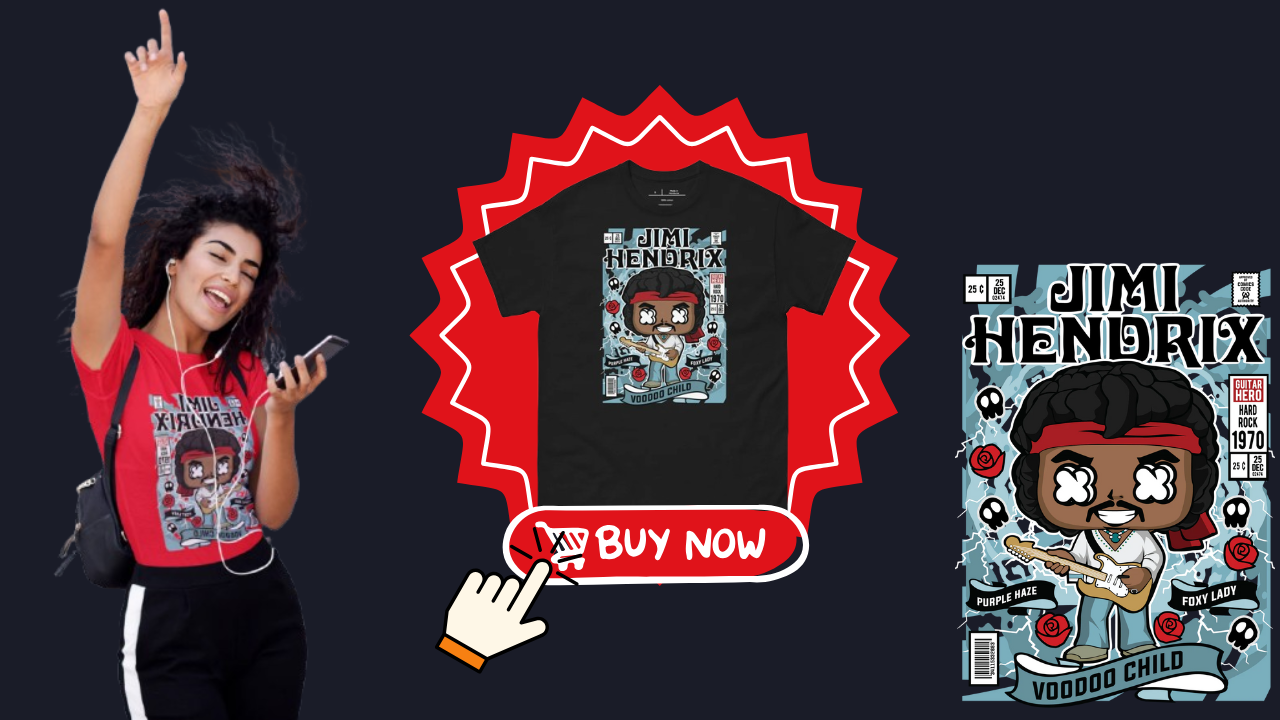
- Supreme x Louis Vuitton: Merging luxury and streetwear, creating a much-coveted collection.
- Keith Haring Foundation x Uniqlo: Featuring the late artist’s iconic designs on affordable clothing.
- Kaws x Nike: Fusing contemporary art appeal with a renowned sportswear brand.
Impact on the Fashion Industry
The entry of Pop Art into streetwear has disrupted the traditional fashion paradigms by:
- Creating wearables as art pieces, blurring the lines between fashion and art.
- Encouraging the idea of fashion as an accessible form of personal expression.
- Leading to the rise of limited edition drops, altering traditional models of product release.
Future Projections of Wearable Art
The trajectory of streetwear as a carrier of Pop Art culture continues to evolve. Future possibilities include:
- Advanced tech integration, like augmented reality in wearable designs.
- Further democratization of fashion through deepened digital commerce and VR experiences.
- An increased focus on sustainability, with art-infused streetwear promoting eco-friendly practices.
The fusion of Pop Art and streetwear reflects a broader cultural shift towards inclusivity and authenticity. As this vibrant movement progresses, it promises to continually reshape how we perceive and engage with fashion and art.