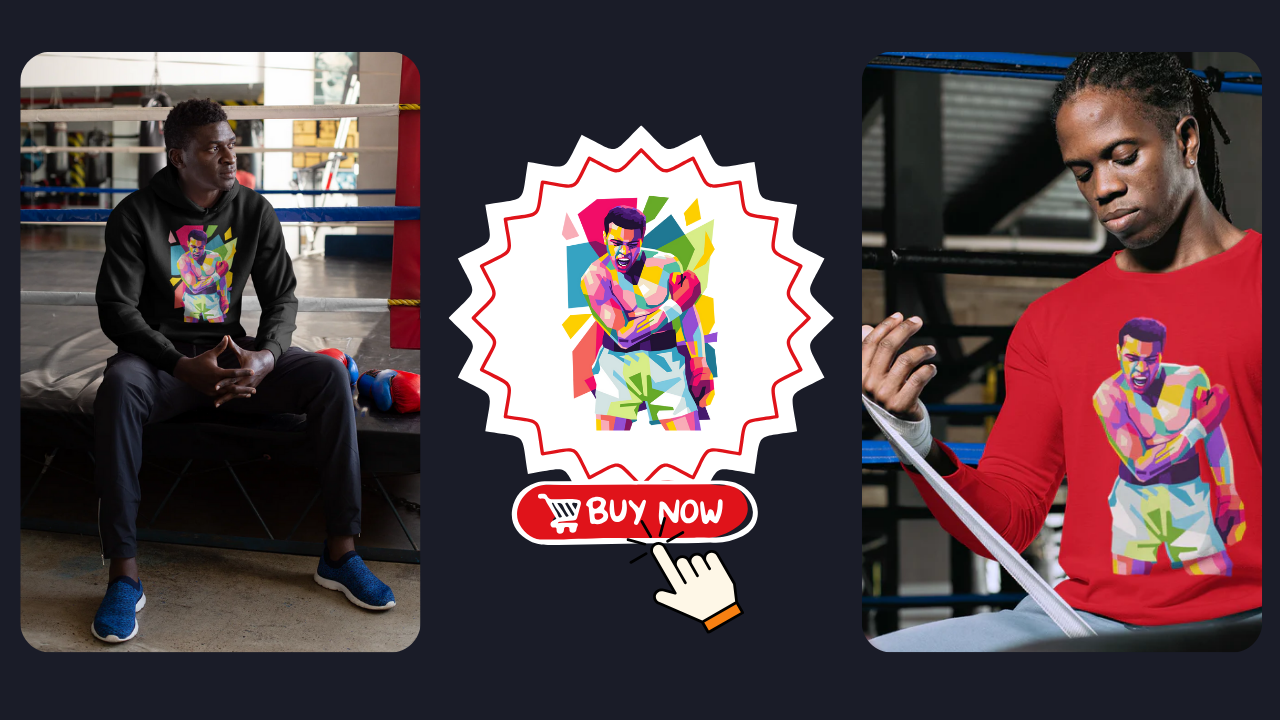
How Streetwear Transformed Pop Art Into Wearable Culture
In the vibrant intersection between art and fashion, Pop Art and streetwear have created a dynamic synergy that transformed Pop Art into a dynamic, wearable culture. This cultural shift has reinvigorated the fashion landscape, offering art enthusiasts and the fashion-conscious alike a chance to display iconic art movements in their daily wear. The collaboration between Pop Art and streetwear brands has crafted a revolutionary trend that continues to influence both industries.
Article Outline
- Origins of Pop Art and Streetwear
- The Synergy between Streetwear and Pop Art
- Influential Brands and Collaborations
- Cultural Impact and Popularity
- Future Trends in Pop Art Streetwear
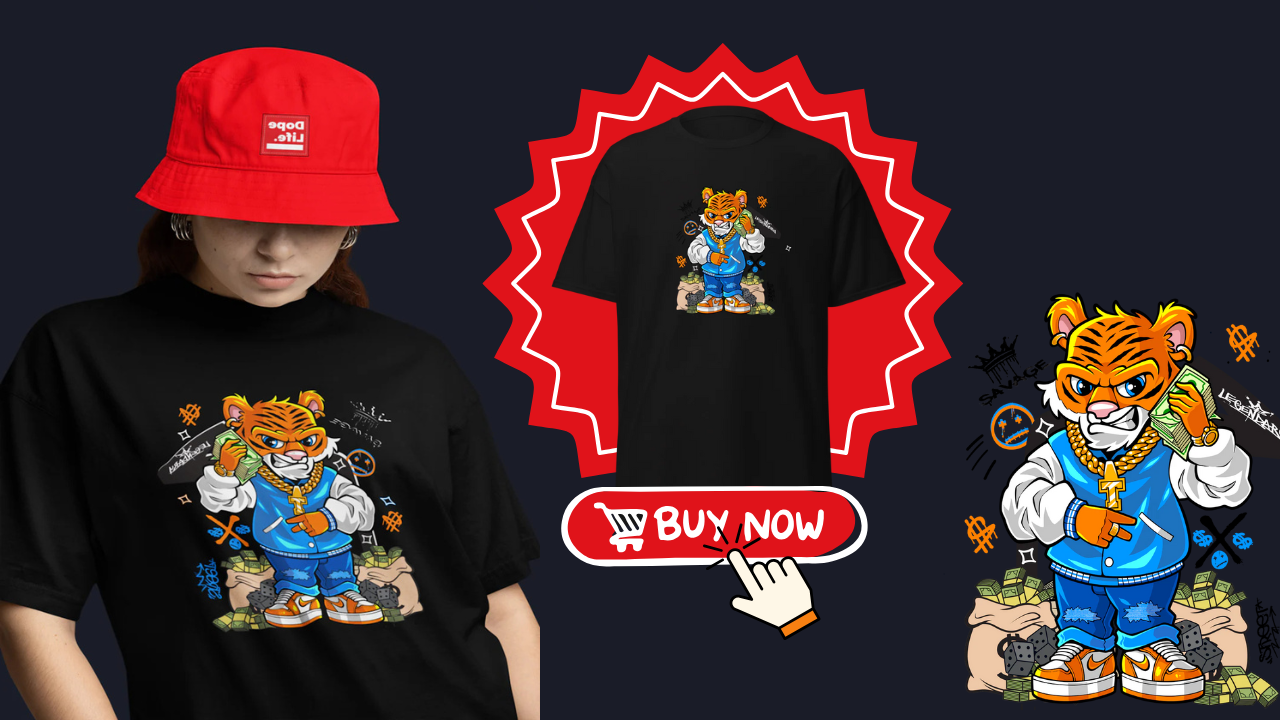
Origins of Pop Art and Streetwear
Pop Art, an art movement that emerged in the 1950s and 1960s, revolutionized art by incorporating imagery from popular and mass culture. This movement was characterized by its bold colors, clear lines, and incorporation of mass-media imagery, challenging traditional fine art by leveraging household names and consumer goods.
Streetwear, rooted in the casual, laid-back styles of Californian surf and skate culture from the 1970s and 1980s, evolved as a significant fashion phenomenon through iconic graphics and logos. It became a global phenomenon in the 1990s, merging comfort with style, and incorporated elements from hip hop, punk, and Japanese street fashion.
The Synergy between Streetwear and Pop Art
Pop Art and streetwear share a symbiotic relationship built on individuality and expression. This synergy is reflected in several ways:
- Bold Graphics: Pop Art's vivid imagery fits seamlessly into streetwear's graphic-heavy designs, making a bold statement.
- Embracing Popular Culture: Both movements celebrate aspects of popular culture; streetwear uses Pop Art to question norms and make art wearable.
- Accessibility: Just as Pop Art made art accessible to the masses, streetwear democratizes high fashion, offering affordable yet chic attire.
Influential Brands and Collaborations
Several streetwear brands have successfully integrated Pop Art into their lines:
- Supreme x Andy Warhol: Supreme's incorporation of Andy Warhol's iconic prints enhanced the pop culture appeal of their collections.
- Uniqlo x Kaws: Their collaboration introduced streetwear enthusiasts to Kaws’ pop art, creating a cultural crossover moment.
- Off-White x Jean-Michel Basquiat: By fusing Basquiat’s neo-expressionist elements into their designs, Off-White created high demand releases.
These partnerships highlight the efficiency of combining fashion with artistic vision, capturing both art collectors and fashion enthusiasts.

Cultural Impact and Popularity
The incorporation of Pop Art into streetwear has significant cultural implications:
- Art Appreciation: Encourages a new generation to appreciate art beyond conventional spaces such as galleries and museums.
- Cultural Commentary: Reflects societal values and critiques through accessible mediums.
- Global Reach: Amplifies the reach of Pop Art, making it a worldwide cultural phenomenon.
Future Trends in Pop Art Streetwear
As both industries continue to evolve, future trends are likely to feature:
- Sustainability: A shift towards environmentally conscious materials without compromising on creativity and expression.
- Tech Integration: Incorporating augmented reality for interactive designs and experiences.
- Collaborative Innovation: Ongoing partnerships with emerging and established artists to blend new aesthetics.
By continually pushing boundaries and redefining norms, the fusion of streetwear and Pop Art remains at the forefront of cultural innovation.
In conclusion, the marriage of Pop Art and streetwear epitomizes the spirit of bold expression and accessibility while challenging traditional perceptions of art and fashion. It remains a thriving testimony of cultural adaptation, bridging gaps between different art forms and consumer bases.