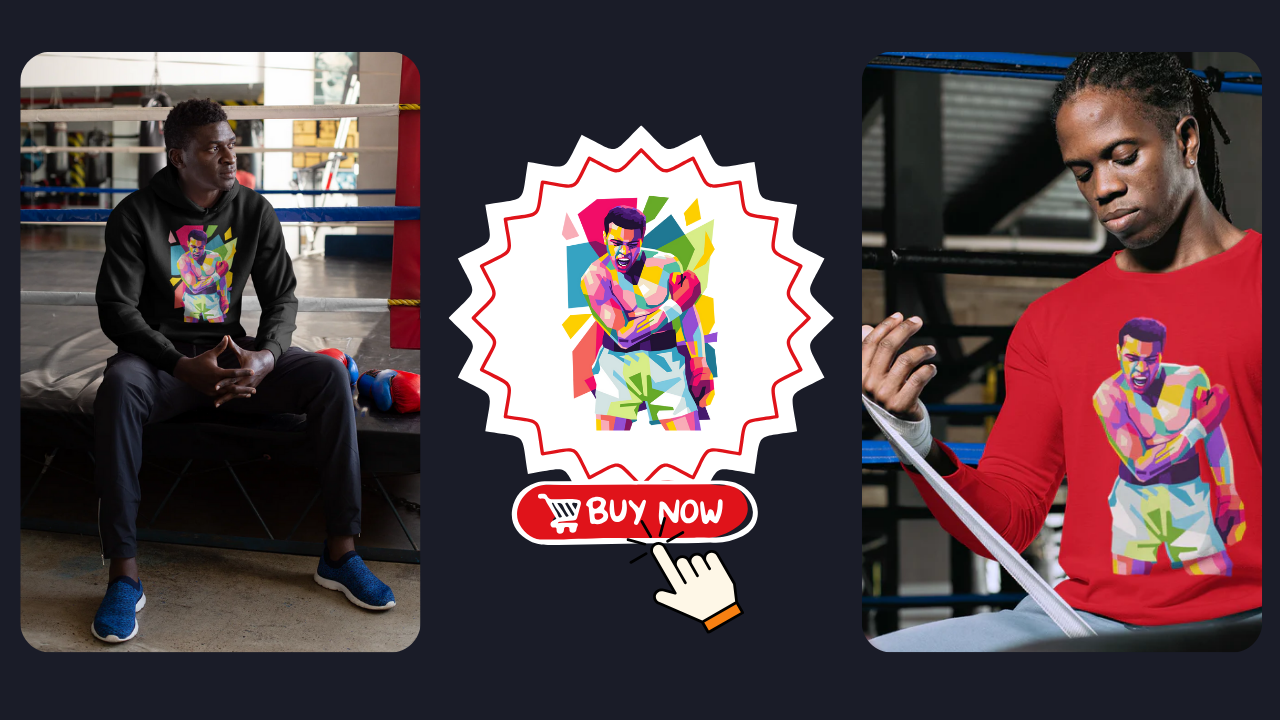
How Streetwear’s DIY Culture Embraced Pop Art Expression
In recent years, the fusion of streetwear and pop art has taken the fashion world by storm. This cultural marriage has been driven by the DIY culture, empowering individuals to express themselves in vibrant and innovative ways. The unique tapestry woven between streetwear's casual aesthetics and pop art's bold expression presents a significant shift in both art and fashion domains.
Introduction to Streetwear
Streetwear emerged as a dominant fashion trend in the 1980s, heavily influenced by skate and surf cultures. It is characterized by casual and comfortable clothing that includes graphic T-shirts, hoodies, and sneakers. The essence of streetwear is heavily rooted in its DIY culture, which has always encouraged creativity and self-expression.
- Origin in urban contexts and subcultures
- Focus on individual style over high-fashion norms
- Influence of skateboarding, graffiti, and hip-hop
Understanding the Pop Art Movement
The Pop Art movement, rising to prominence in the mid-20th century, was a reaction against traditional art conventions. Artists like Andy Warhol and Roy Lichtenstein used bold colors, commercial techniques, and popular imagery, embracing consumer culture to make art accessible to the masses.
- Rejection of traditional art values
- Use of everyday objects and cultural icons
- Bold and vivid colors, often with a satirical edge
The Fusion of Streetwear and Pop Art
The intersection of streetwear and pop art is a natural evolution, merging fashion with art to challenge conventions and promote individuality. Street fashion brands collaborate with artists or draw inspiration from the iconic elements of pop art, blending humor and bold visuals with casual urban attire.
- Collaborations between brands and pop artists
- Use of iconic imagery from pop culture
- Explosive colors and graphic designs
Influence of DIY Culture
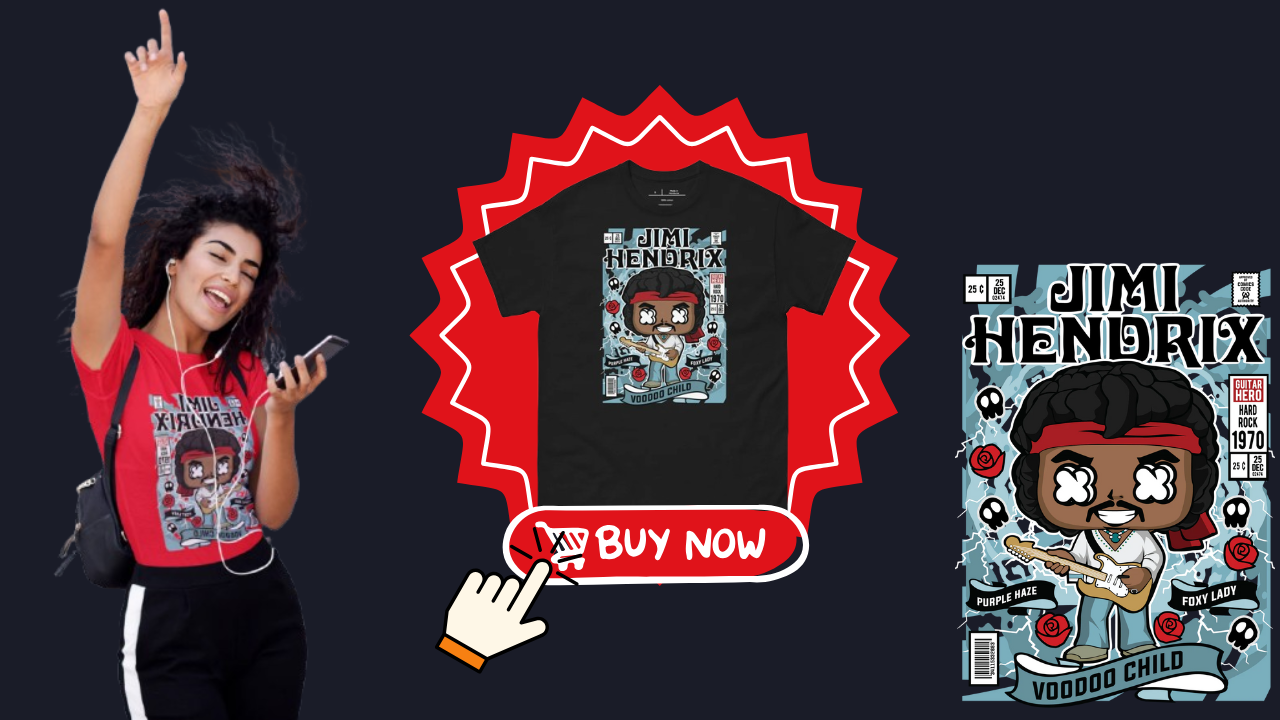
At the heart of this fusion is the DIY culture of streetwear, which emphasizes personalization and transformation. Anyone can become an artist, customizing clothing with paints, patches, or other creative elements. This open forum for expression aligns closely with pop art's goals of breaking down barriers between art and the public.
- Encouragement of creativity and personalization
- Ability to transform basic garments into art pieces
- Rise of independent designers and small brands
Impact on the Fashion Industry
The integration of pop art into streetwear has significantly disrupted the fashion industry, forever changing the landscape of design and marketing. It has given rise to cult-followed brands and promoted a new wave of consumers eager for exclusive and personalized pieces.
- Brands leveraging limited-edition releases
- Increased demand for art-inspired collections
- Greater emphasis on storytelling and cultural relevance
Future Trends and Predictions
As streetwear and pop art continue to intersect, we anticipate a continued emphasis on sustainability and innovation. Future trends may include more technological integrations with wearable art and further democratization of fashion through digital platforms.
- Integration of sustainable practices in design
- Rise of digital fashion and virtual reality experiences
- Continuous merging of fashion and technology
In conclusion, the embrace of pop art expression within streetwear's DIY culture is redefining fashion as a form of personal and communal storytelling. Its bold and colorful narrative fosters an accessible art form that welcomes creativity and challenges the norm, inviting everyone to be their own designer in the story of contemporary culture.