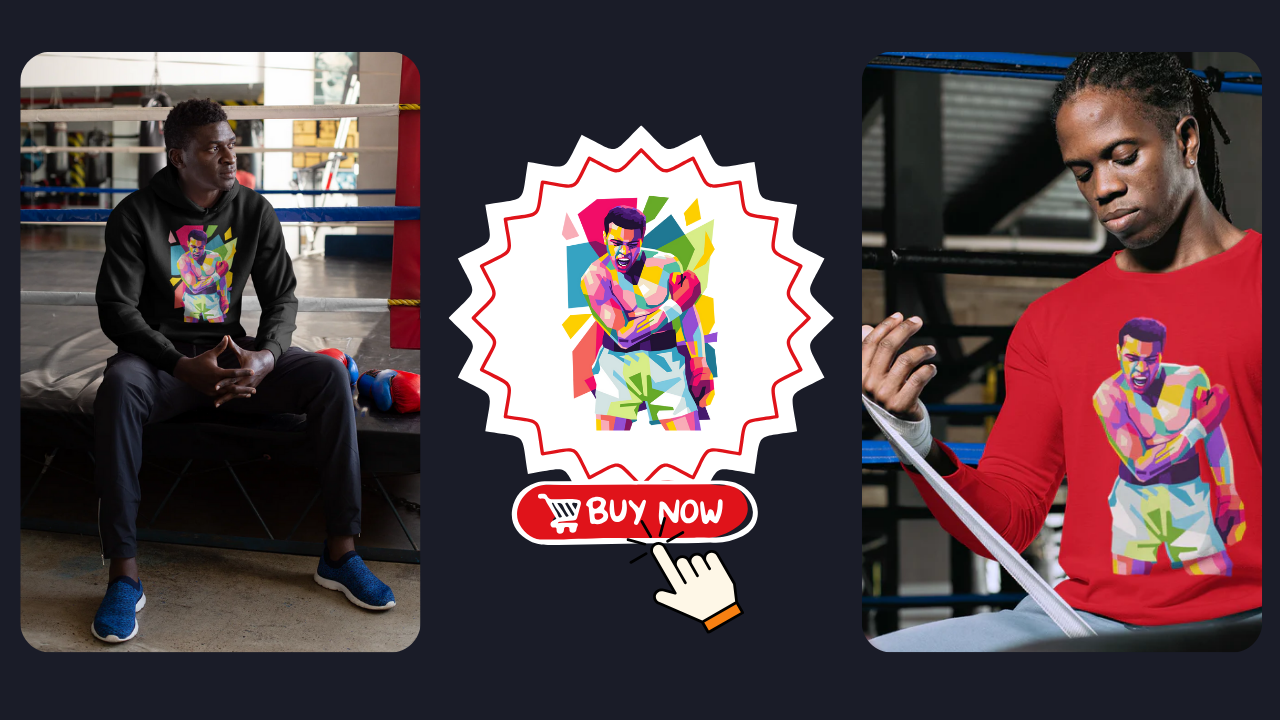
How Pop Art Shapes the Identity of Streetwear Collectors
Pop Art, a revolutionary art movement that emerged in the 1950s and flourished in the 1960s, continues to influence modern culture, especially in the realm of streetwear fashion. Streetwear collectors, immersed in a world where art meets fashion, often find themselves inspired by the bold colors, iconic imagery, and irreverent designs of Pop Art. This article delves into how Pop Art shapes the identity of streetwear collectors, exploring its pervasive influence and enduring appeal.
Understanding the History of Pop Art
Pop Art emerged in the mid-20th century as a reaction against traditional fine art norms. Artists like Andy Warhol, Roy Lichtenstein, and Claes Oldenburg brought everyday objects and popular culture into the realm of art, thereby democratizing art forms. Key characteristics of Pop Art include:
- Bold primary colors and high contrast imagery
- Use of commercial techniques such as silk screening
- Inclusion of mass media and popular culture references
This democratization brought art closer to the public — making it accessible, relatable, and, most importantly, collectible, laying the groundwork for its influence on streetwear.
The Intersection of Pop Art and Streetwear
The relationship between Pop Art and streetwear is symbiotic. Pop Art's vibrant aesthetics and revolutionary ideas have profoundly influenced the graphic designs and motifs found in streetwear today. Streetwear brands, leveraging these elements, create clothing that not only serves as fashion but as a cultural statement. This has resulted in:
- Bold graphics and color schemes on hoodies, t-shirts, and sneakers
- References to historic Pop Art pieces in modern fashion
- The rise of limited edition pieces inspired by famous artworks
Streetwear derives its identity from being both a fashion statement and a form of personal artistic expression, echoing Pop Art's ethos.
Identity Formation Among Streetwear Collectors
For streetwear collectors, Pop Art becomes more than just a visual influence; it’s a means of shaping personal identity. Collectors often see themselves as part of a larger cultural narrative, asserting their unique personalities through curated collections that draw from Pop Art aesthetics. This leads to:
- Self-expression: Using fashion to reflect individual identity
- Cultural belonging: Aligning with a community that appreciates modern art and fashion
- Trendsetting: Influencing fashion through distinctive style choices
The choice to wear clothing inspired by Pop Art allows collectors to connect with the movement's revolutionary spirit and become living embodiments of the art they admire.
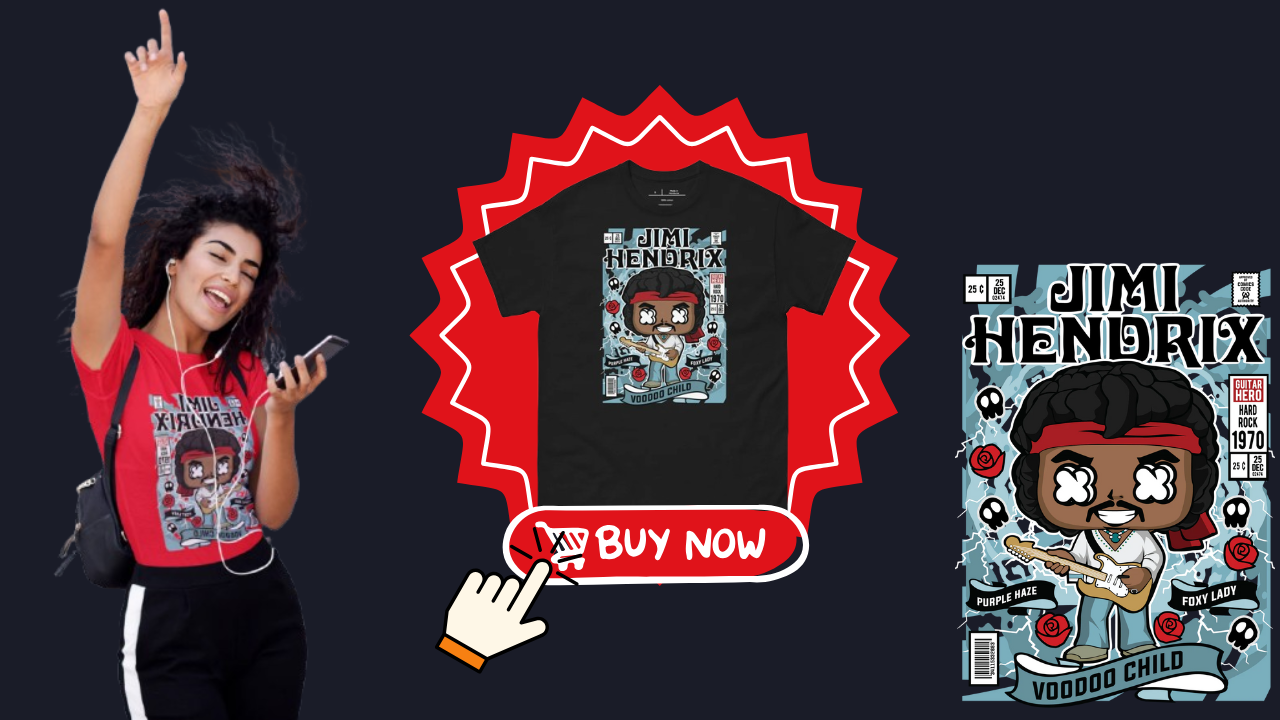
Iconic Collaborations Between Artists and Brands
Collaborations between streetwear brands and renowned artists have cemented the bond between Pop Art and fashion. These partnerships not only legitimize streetwear as an art form but also elevate the perceived value of the garments, transforming them into collector's items. Notable collaborations include:
- Supreme x Andy Warhol Foundation – Limited edition pieces featuring Warhol's famous imagery
- Keith Haring x Uniqlo – A series that brought Haring's playful designs to wearable art
- Basquiat x Comme des Garçons – Integration of Basquiat's avant-garde art into fashion staples
These collaborations celebrate the fusion of art and fashion, attracting collectors and fashion enthusiasts alike.
How Pop Art Shapes the Streetwear Market
The intersection of Pop Art and streetwear has not only influenced fashion trends but also altered market dynamics. The infusion of art into fashion has:
- Increased demand for limited edition, artist-inspired apparel
- Boosted resale values for collectible streetwear items
- Shaped trends, driving the popularity of graphic-heavy designs
Collectors actively seek pieces that blur the lines between fashion and art, valuing them as investments and cultural artifacts.
Conclusion
The impact of Pop Art on streetwear is profound and multi-faceted. It influences not just the designs and collaborations within the industry, but also the very identities of those who partake in the streetwear culture. By seamlessly merging art with fashion, Pop Art has allowed streetwear collectors to not only express themselves but also to engage actively with art history in a tangible way. As this dynamic relationship continues to evolve, its impact on fashion and culture will undoubtedly persist, continually reshaping the identities of streetwear collectors across the globe.