How Pop Art Inspired the Aesthetic of the Internet Era
Pop Art, a revolutionary art movement that emerged in the mid-20th century, has left an indelible mark on various aspects of modern culture. One of its most fascinating influences is on the aesthetic of the internet era, where bright colors, bold lines, and popular culture references dominate the digital landscape. This confluence of art and technology has not only shaped visual presentations but also redefined how we interact with content. In this article, we explore how Pop Art's principles have permeated the digital world, thus inspiring a vibrant and engaging online aesthetic.
Article Outline
- The Origin of Pop Art
- Key Elements of Pop Art
- Pop Art Influences on Web Design
- Impact on User Interface and Experience
- Pop Culture in Digital Marketing
- Conclusion
The Origin of Pop Art
Pop Art originated in the late 1950s and gained popularity in the 1960s. This art movement was characterized by its embrace of popular culture, mass media, and consumer goods. Artists like Andy Warhol, Roy Lichtenstein, and Claes Oldenburg became iconic figures for their innovative art that challenged traditional boundaries. The rise of Pop Art was deeply connected to the post-war economic boom and the proliferation of advertisements, which artists critiqued yet celebrated through their works.
Key Elements of Pop Art
The Pop Art movement is marked by several defining characteristics that have transcended time and space to influence the internet era:
- Bold Colors and Contrasts: The use of vibrant, eye-catching colors emphasizes visual appeal.
- Repetition and Patterns: Techniques like repetition in Warhol’s works have inspired many visual web designs.
- Incorporation of Popular Culture: References to celebrities and consumer objects have translated into meme culture online.
- Comic Styles and Speech Bubbles: Text-driven artwork resonates with the online world's use of memes and GIFs.
Pop Art Influences on Web Design
The essence of Pop Art has seamlessly transferred into the design aesthetics of web pages in the internet era. Here’s how:
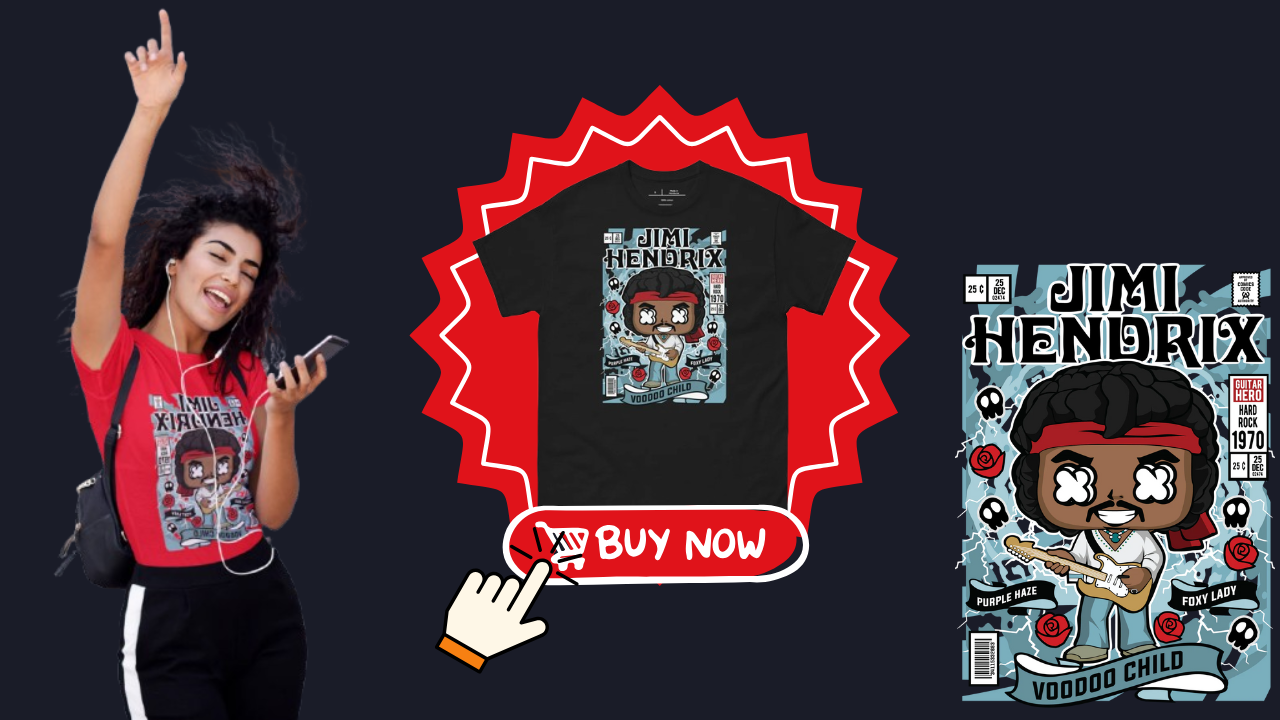
- Bright Visuals: Websites often implement vivid colors, reminiscent of Pop Art to grab user attention instantly.
- Graphic Novel Styles: Designers use comic-like visuals to create user-friendly and impactful website interfaces.
- Engagement through Interactivity: Just like Pop Art’s emphasis on engaging the viewer, modern web designs are interactive and responsive.
Impact on User Interface and Experience
Pop Art principles contribute significantly to user interface (UI) design and user experience (UX):
- Simplicity with Attractiveness: Interface designs that are simple yet visually appealing have roots in Pop Art.
- Enhanced User Engagement: Interactive elements akin to Pop Art's engaging styles increase user retention and interaction.
- Intuitive Navigation: Pop Art-inspired designs focus on clarity, ensuring users can navigate effortlessly.
Pop Culture in Digital Marketing
Digital marketing strategies heavily borrow from Pop Art’s reference to popular culture. This results in:
- Effective Branding: Brands leverage Pop Art's vivid aesthetics for distinguishable and memorable campaigns.
- Social Media Presence: Creative content, such as memes driven by Pop Art styles, enhances brand visibility and engagement.
- Storytelling Innovation: Marketers employ Pop Art’s storytelling techniques to create compelling narratives.
Conclusion
The influence of Pop Art on the aesthetic of the internet era is both profound and pervasive, offering a distinctive take on how visuals are created and consumed online. From web design to digital marketing, the movement’s legacy continues to inspire vibrant and engaging forms of digital expression. As we navigate an increasingly digital future, the playful, disruptive, and striking essence of Pop Art will undoubtedly continue to shape the aesthetics of the virtual world.