How Pop Art Continues to Inspire Modern Creative Movements
In the kaleidoscopic world of modern art, Pop Art stands out as a revolutionary movement that has transcended its origins to inspire countless contemporary creative domains. Emerging in the mid-20th century, Pop Art challenged convention and celebrated everyday objects, ultimately changing the landscape of art and design. Even today, Pop Art continues to influence and inspire a wide array of modern creative movements. This article delves into how Pop Art's bold aesthetic and cultural critique continue to resonate within contemporary artistic and design practices.
Influence on Modern Art
Pop Art has had a profound impact on the evolution of modern art. Its influence can be seen in various contemporary artistic styles that emphasize bold colors, unique patterns, and everyday subject matter. Some key aspects of Pop Art's influence on modern art include:
- Incorporation of mass culture: Artists today frequently draw upon mass media and popular culture as a source of inspiration, much like the Pop Art pioneers.
- Focus on consumerism: Many contemporary art movements continue to explore themes of consumerism, materialism, and the blurring lines between high art and popular culture.
- Mixed media techniques: The use of mixed media, including visual, auditory, and interactive art forms, has its echoes in Pop Art's experimental approach.
Cultural Significance
Beyond its visual appeal, Pop Art holds significant cultural importance. It challenges traditional notions of art by emphasizing the beauty in everyday objects and popular culture. Key cultural contributions of Pop Art include:
- Democratization of art: By challenging the exclusivity of high art, Pop Art made art accessible and relatable to the general public.
- Sociopolitical commentary: Pop Art's ironic and often satirical portrayal of mass culture offers a critique of societal norms and consumer behavior.
- Empowerment through color and form: The vibrant colors and bold forms of Pop Art continue to empower marginalized voices by providing a medium for expression.
Impact on Design and Fashion
Pop Art's impact is not confined to the visual arts. It has also significantly influenced the worlds of design and fashion, where its aesthetic principles can often be seen. Notable areas of impact include:
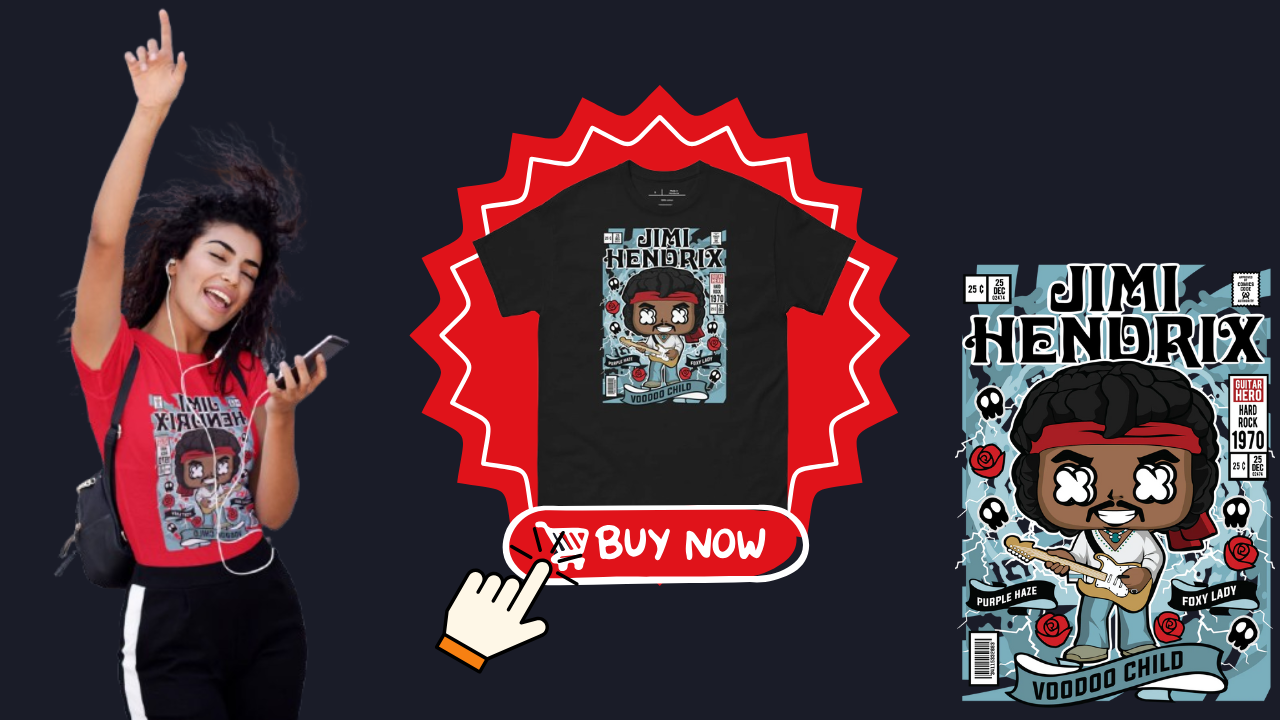
- Graphic design: Bold typography and vivid colors in graphic design trace their lineage to Pop Art's audacious style.
- Fashion industry: Pop Art-inspired prints and patterns are a recurring trend in fashion, highlighting an ongoing fascination with bold, eye-catching designs.
Integration into Digital Media
The digital era has provided new avenues for Pop Art to thrive. Modern digital media often incorporate Pop Art characteristics into creative digital content, resulting in:
- Video art and animations: The use of vivid colors and dynamic compositions in video content showcases Pop Art's continued relevance in storytelling.
- Social media art: Platforms like Instagram and Pinterest are flooded with works that echo Pop Art's playful and rebellious spirit through visual storytelling.
Pop Art Inspiration in Advertising
In the world of advertising, Pop Art remains a compelling source of inspiration. Campaigns often borrow from its visual style to captivate audiences and convey brand messages effectively. Examples include:
- Bold visuals: Advertisements use eye-catching Pop Art-inspired designs to grab attention in crowded media spaces.
- Iconic imagery: Leveraging the power of familiar, everyday images, brands connect with consumers on a personal level.
Conclusion
In conclusion, the legacy of Pop Art is undeniably prominent in today's creative world. By continuing to influence and inspire modern creative movements, Pop Art bridges the gap between past and present, infusing contemporary culture with its vibrant energy and provocative insights. As we look towards the future, the enduring impact of Pop Art remains a testament to its revolutionary spirit and unwavering relevance in the ever-evolving artistic landscape.