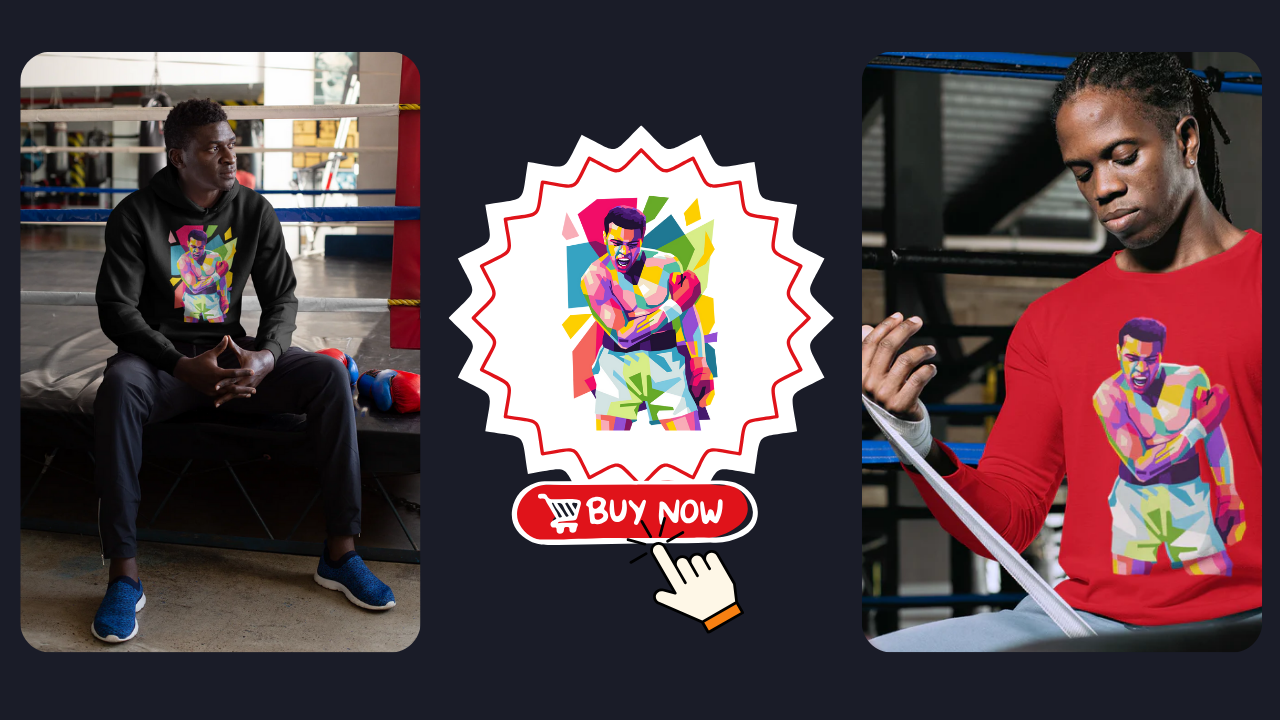
How Pop Art Colors Are Shaping Modern Streetwear Palettes
Pop Art emerged in the 1950s as a vibrant art movement characterized by its bold aesthetics, borrowing cues from popular culture, advertising, and mass media. Over the years, it has not only influenced various art forms but has also made a significant impact on the fashion industry, particularly in modern streetwear palettes. The incorporation of Pop Art colors in streetwear has redefined how fashion enthusiasts perceive color and style, offering a fresh perspective that continues to seize the attention of the youth and fashion-forward individuals worldwide.
What is Pop Art?
Pop Art is an art movement that emerged in the mid-20th century, predominantly in the United States and the United Kingdom. Known for its vibrant color schemes and incorporation of imagery from popular culture, Pop Art challenged traditional fine art by emphasizing elements from mass media and consumerism. Icons like Andy Warhol and Roy Lichtenstein became synonymous with the style, immortalizing everyday objects and figures through bold colors and techniques that steered away from the norms of classical art.
The Evolution of Pop Art Colors
The evolution of Pop Art colors is pivotal to understanding its impact on modern streetwear. Initially inspired by commercial graphics, Pop Art colors were bold, contrasting, and often shocking. These colors were employed to capture attention immediately and make a statement, evolving over time to remain relevant within various cultural contexts.
- 1950s - Focused on everyday consumer goods, integrating bright and contrasting colors.
- 1960s - Saw a diversification with psychedelic influences and more adventurous combinations.
- 1970s and beyond - Adapted to reflect cultural shifts, including street culture and urbanization.
How Pop Art Colors Are Influencing Modern Streetwear
The integration of Pop Art colors into streetwear has been a game-changer. Streetwear, known for its casual, comfortable style, has embraced Pop Art aesthetics to create eye-catching pieces that resonate with a diverse audience.
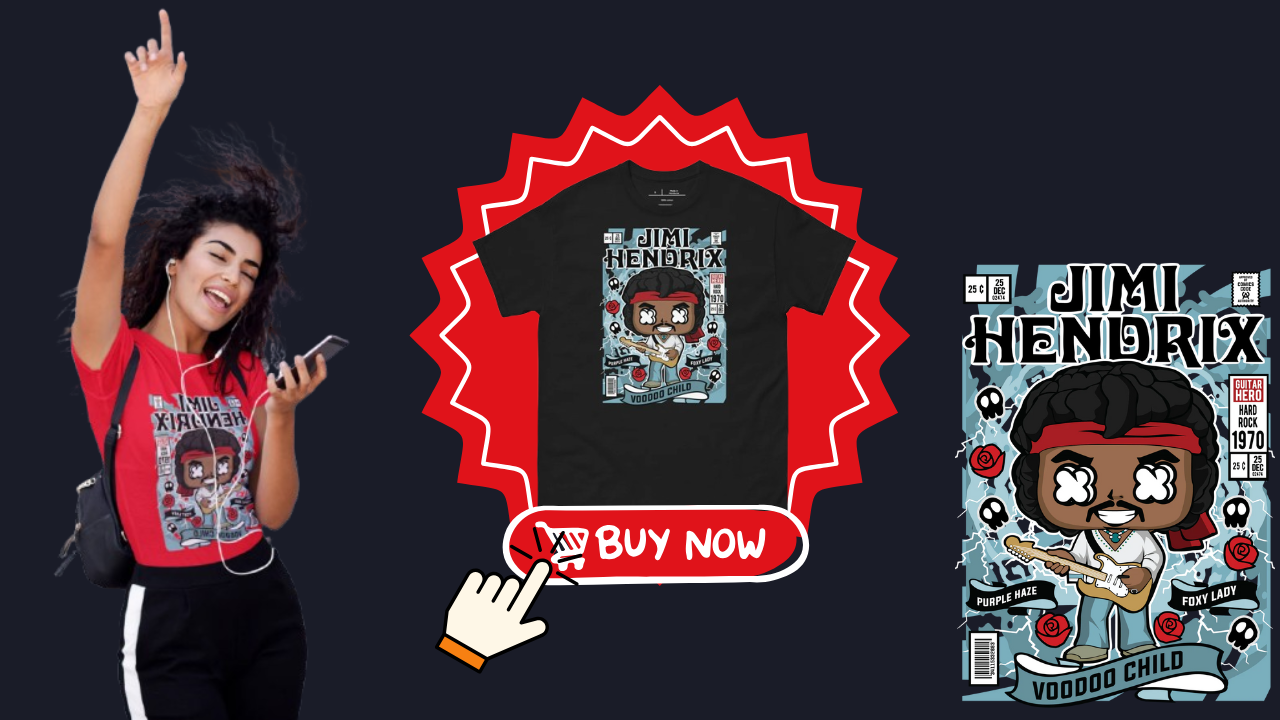
- Bold Graphic Prints: Reflective of Pop Art’s bold nature, these are staples in streetwear, offering standout t-shirts and hoodies.
- Color Blocking: Utilizes contrasting colors to create a dynamic and modern look, reminiscent of Pop Art collage techniques.
- Limited Edition Collections: Brands collaborate with artists to create Pop Art-inspired limited collections, tapping into the exclusivity and appeal of the movement.
Key Pop Art Color Palettes in Streetwear
Different Pop Art color palettes are extensively used in modern streetwear, each serving a unique purpose and appeal:
- Primary Colors: Red, blue, and yellow—bold and foundational, creating a striking visual impact.
- Neon Variants: Inspired by urban nightscapes and graffiti, these incorporate electric hues that catch the eye.
- Psychedelic Influences: Swirling patterns and alternating colors embody the psychedelic movement, popular in retro streetwear revival.
Impact on the Fashion Industry
The influence of Pop Art colors extends beyond just aesthetics—it significantly impacts the wider fashion industry. Streetwear brands have leveraged these bold palettes to push boundaries in design, resulting in:
- Increased Brand Visibility: Eye-catching designs create strong brand identities.
- Youthful Appeal: The vibrancy of Pop Art colors resonates predominantly with younger audiences, driving trends in youth culture.
- Artistic Collaborations: Collaborations with contemporary artists bring authenticity and creative exclusivity, appealing to collectors and fashion enthusiasts alike.
Conclusion
As an art movement, Pop Art's integration into modern streetwear has brought a fresh vibrancy to the fashion world. Its bold aesthetic encourages self-expression and celebrates color in ways that are both innovative and stylish. As the influence of Pop Art continues to permeate the industry, we can only anticipate further evolution and creativity in streetwear, bound by the captivating spirit of Pop Art colors.