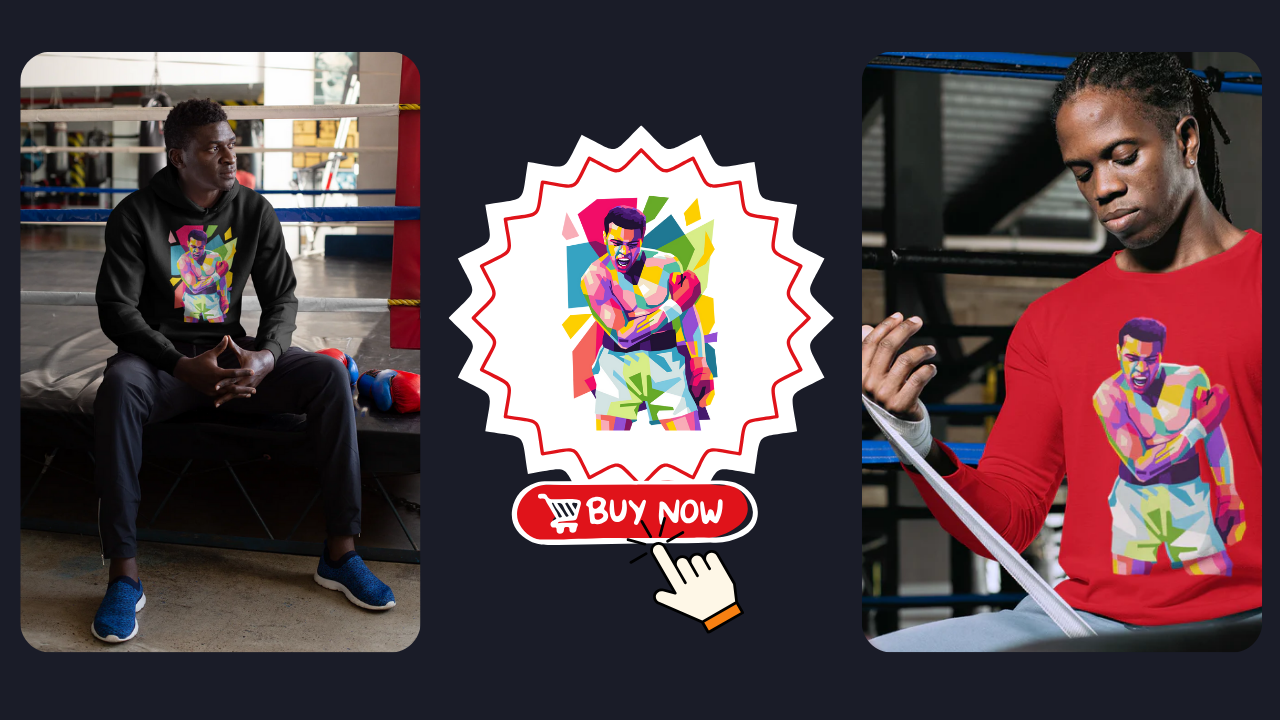
How Pop Art Colors Are Shaping Modern Streetwear Palettes
Pop Art, a vibrant and dynamic art movement emerging in the 1950s and '60s, is not only a pivotal force in modern art history but has also left an indelible mark on contemporary fashion. The bright, bold colors synonymous with Pop Art have transcended time, redefining the aesthetics of modern streetwear. This article explores how Pop Art colors are now intricately shaping the vibrant palettes seen in today's urban fashion landscape.
The Historical Context of Pop Art Colors
Pop Art emerged as a challenge to traditional fine art by incorporating imagery from popular and mass culture, such as advertising, comic books, and mundane cultural objects. Notable artists like Andy Warhol, Roy Lichtenstein, and Claes Oldenburg utilized bright, saturated colors to break the norms and make statements that were both visually loud and culturally provocative. This use of color was revolutionary, as it inserted everyday life and commercial symbolism into art.
The Connection Between Pop Art and Streetwear
The audacious use of bold, contrasting colors in Pop Art has seamlessly transitioned into the world of streetwear, mirroring the movement's tendency to blur high and low culture. This connection is evident as streetwear often borrows the vibrant, eye-catching aesthetic of Pop Art to create statement pieces that stand out in urban settings.
Understanding the Color Theory Behind Pop Art
- Complementary Colors: The use of opposing colors on the color wheel to create visual interest and vibrancy.
- Primary Colors: Frequent use of primary colors like red, blue, and yellow which are often heavily saturated.
- Bold Contrast: High contrast and bright hues that draw viewers' attention immediately.
By leveraging these color theories, Pop Art hues create a dynamic and energetic visual impact that makes them perfect for fashion innovation.
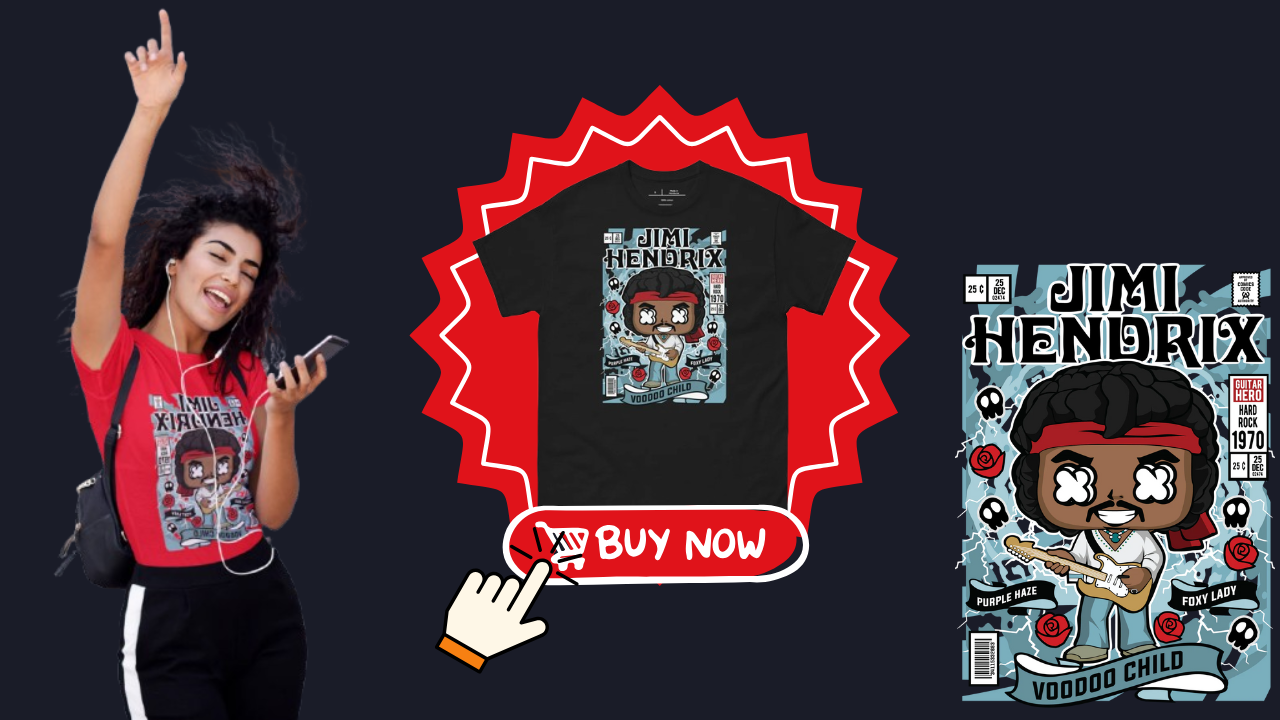
The Influence on Modern Streetwear Palettes
Today's streetwear uses Pop Art colors to craft pieces that are both visually arresting and culturally resonant. These colors play a crucial role in defining brand identities and fashion aesthetics, contributing to items such as:
- Graphic Hoodies - Infusing bright tones with iconic Pop Art imagery.
- Sneakers - Utilizing vibrant colorways inspired by Pop Art themes.
- T-Shirts - Often featuring retro, comic-style prints in flamboyant colors.
Notable Designers and Brands Using Pop Art Colors
- Virgil Abloh for Off-White: Merging street, art, and luxury with vibrant color schemes.
- Jeremy Scott for Moschino: Known for his playful use of bright, cartoon-like motifs.
- Supreme: Often collaborates with artists to incorporate Pop Art influences into limited-edition pieces.
Future Trends: What’s Next for Pop Art Colors in Fashion?
The future of Pop Art colors in streetwear holds exciting possibilities. As fashion continues to evolve, these colors are expected to become more prevalent in:
- Sustainable Fashion: Using eco-friendly dyes while maintaining vibrant hues.
- Tech-Integrated Wearables: Lighting effects and displays using Pop Art's signature colors.
- Customizable Apparel: Allowing consumers to directly influence the color palette of their clothes.
In conclusion, the legacy of Pop Art is more alive than ever, with its colors continuing to shape and influence the vibrant landscape of modern streetwear. As both art and fashion evolve, the vivid palettes derived from the Pop Art movement will undoubtedly continue to leave an indelible mark on culture and style.