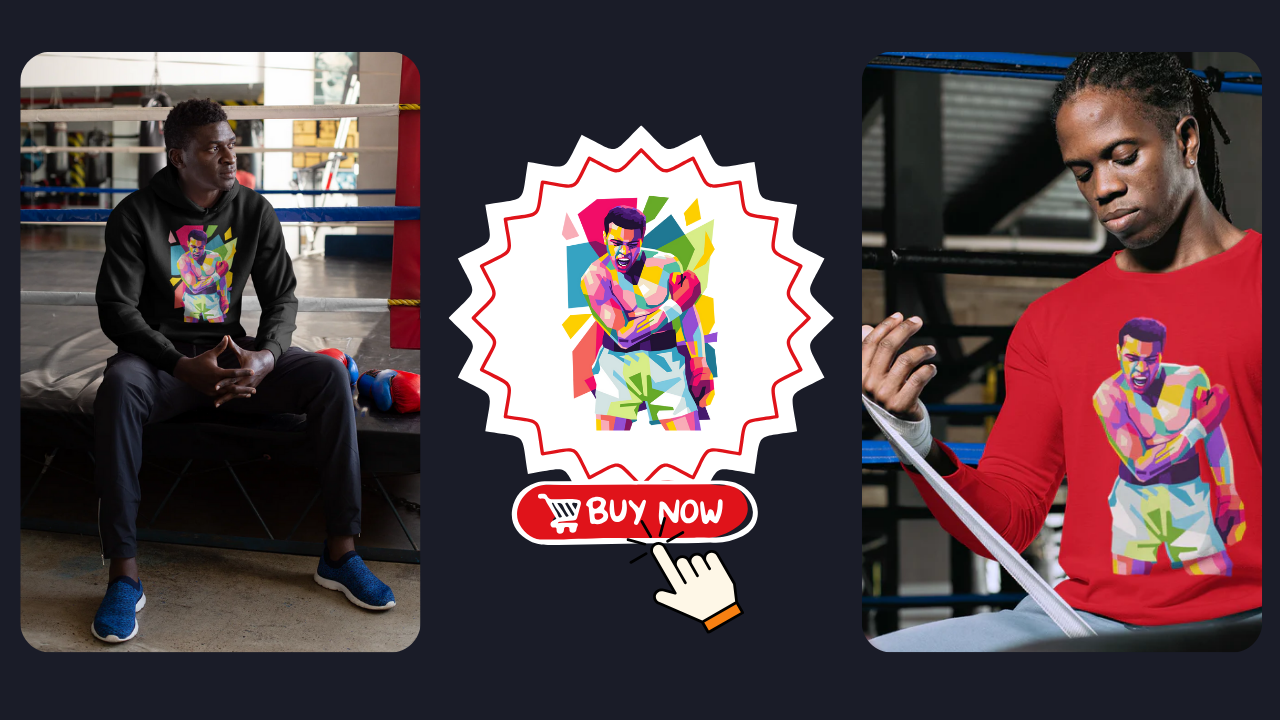
How Jay-Z Became a Symbol of Power in Pop Art Culture
The intersection of pop art and hip-hop is a fascinating convergence of two vibrant cultures. One figure who has emerged as an iconic symbol at this intersection is the legendary rapper and business mogul Jay-Z. With his larger-than-life persona, entrepreneurial spirit, and immense influence, Jay-Z has not only redefined the music industry but has also become a powerful force in the pop art world. This article dives deep into how Shawn Carter, better known as Jay-Z, became a beacon of power within pop art culture.
- Jay-Z's Meteoric Rise to Fame
- Building a Business Empire
- Jay-Z's Art Collecting Ventures
- Impact and Influence on Pop Art
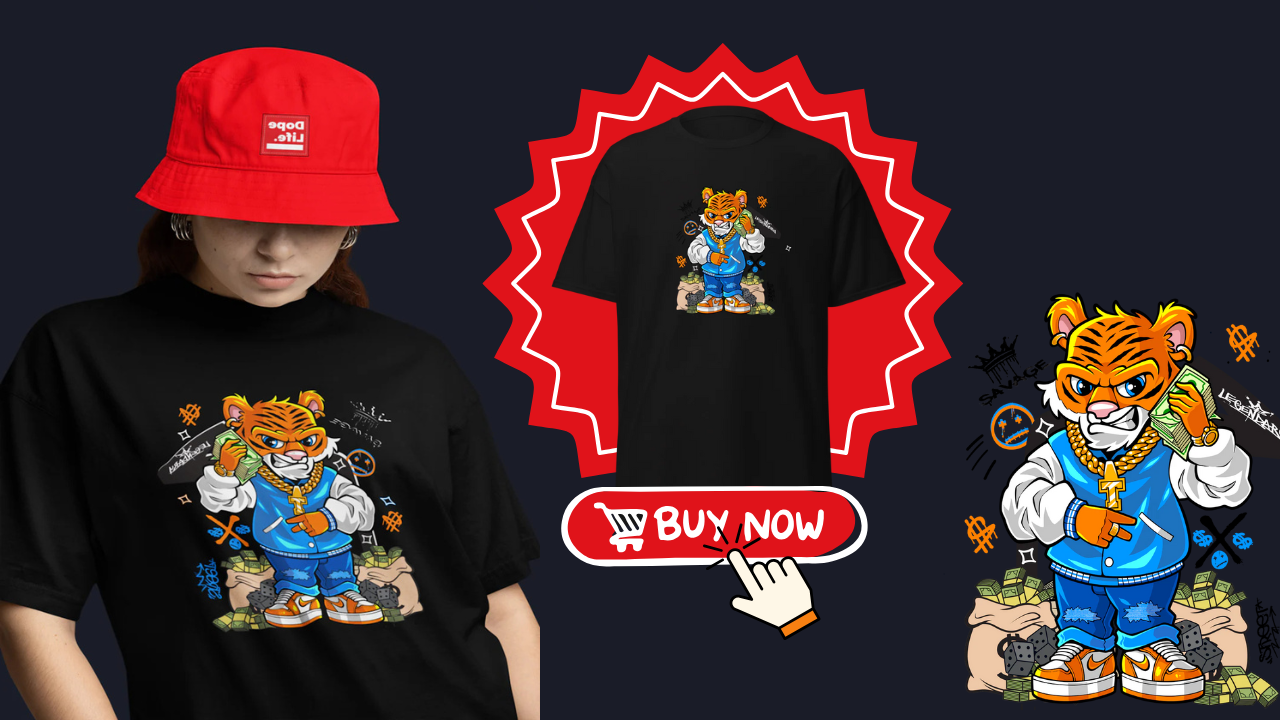
Jay-Z's Meteoric Rise to Fame
*Jay-Z*, born Shawn Corey Carter, is a quintessential rags-to-riches story. Raised in the impoverished neighborhoods of Brooklyn, New York, his early experiences fueled his lyrical prowess and steely determination. His debut album *Reasonable Doubt* was a critical and commercial success, marking the beginning of an illustrious career. Over the years, Jay-Z has crafted a narrative that highlights the intersection of his music with contemporary art. His music videos, album covers, and public appearances often incorporate elements of pop art, reflecting his expanding interests and influence.
Building a Business Empire
Jay-Z's influence extends beyond music. He is a bona fide business magnate with a flourishing empire that includes investments in sports, liquor, clothing, and digital streaming services. This business acumen is crucial to understanding his role in pop art culture:
- *Roc Nation*: Founded in 2008, Roc Nation has become a crucial element of his business empire, managing artists across various entertainment fields and embodying a pop-art ethos by blending music with fashion and culture.
- *Ace of Spades*: Jay-Z invested in Armand de Brignac, also known as Ace of Spades champagne, growing its brand exponentially, an embodiment of luxury culture that resonates within pop art's vibrant themes.
- *Tidal*: In 2015, Jay-Z acquired the music streaming service Tidal, advocating for artist ownership of content. This bold move parallels the rebellious spirit of pop art, focusing on artists and their rights.
Jay-Z's Art Collecting Ventures
Jay-Z's passion for art extends into his own collection and is a significant aspect of his connection to pop art culture. He boasts works from esteemed artists such as Jean-Michel Basquiat and Andy Warhol. Jay-Z's art collection is more than a display of wealth; it's a testament to understanding the artistic narrative and cultural significance.
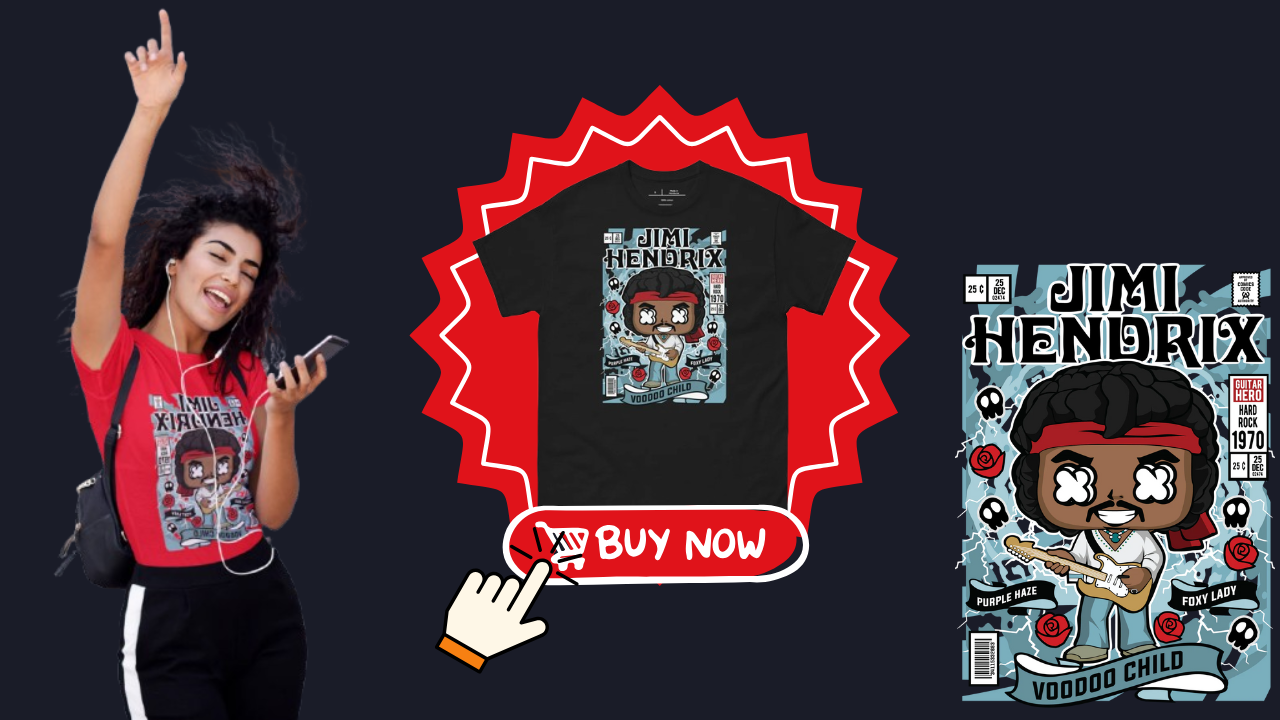
- Jean-Michel Basquiat: Often referencing Basquiat in his lyrics, Jay-Z draws parallels between their similar backgrounds and disruptive influence on traditional arts spaces.
- Art Basel: Jay-Z's regular presence at Art Basel events underscores his active participation in the contemporary art world, further cementing his role within pop art culture.
Impact and Influence on Pop Art
Jay-Z's presence in the pop art world is undeniable. His convergence with pop art manifests in various ways:
- *Cultural Commentary*: Jay-Z elevates pop art as a vessel for commentary on social issues, often intertwining his music with visuals that challenge societal norms.
- *Cross-Disciplinary Collaborations*: Through collaborations with artists and designers, Jay-Z pushes boundaries and fosters a creative dialogue across industries, embodying the inherently dynamic nature of pop art.
- *Inspirations from Icons*: Drawing inspiration from pop art icons like Warhol and Basquiat, Jay-Z injects those influences into his work, creating a fusion that resonates across both music and visual art.
In conclusion, Jay-Z's journey from Brooklyn to becoming a symbol of power in pop art culture highlights his *dedication*, *visionary tactics*, and *artistic sensibilities*. His work transcends traditional boundaries, showcasing a unique fusion of hip-hop and pop art that continues to inspire and engage audiences worldwide.