How Digital Pop Art Became a Multibillion-Dollar Industry
Pop Art, the vibrant and audacious art movement that emerged in the mid-20th century, has successfully evolved into the digital realm. This transformation has given birth to a thriving multibillion-dollar industry, with digital pop art leading the charge. In this article, we'll explore how digital pop art permeated popular culture, became a lucrative domain for artists and entrepreneurs alike, and its impact on the art world. We'll also delve into its economic implications, technological innovations, and future prospects.
- Origin and Evolution of Pop Art
- The Transition to Digital Platforms
- Economic Impact of Digital Pop Art
- Technological Innovations in Digital Pop Art
- Future Prospects of Digital Pop Art
Origin and Evolution of Pop Art
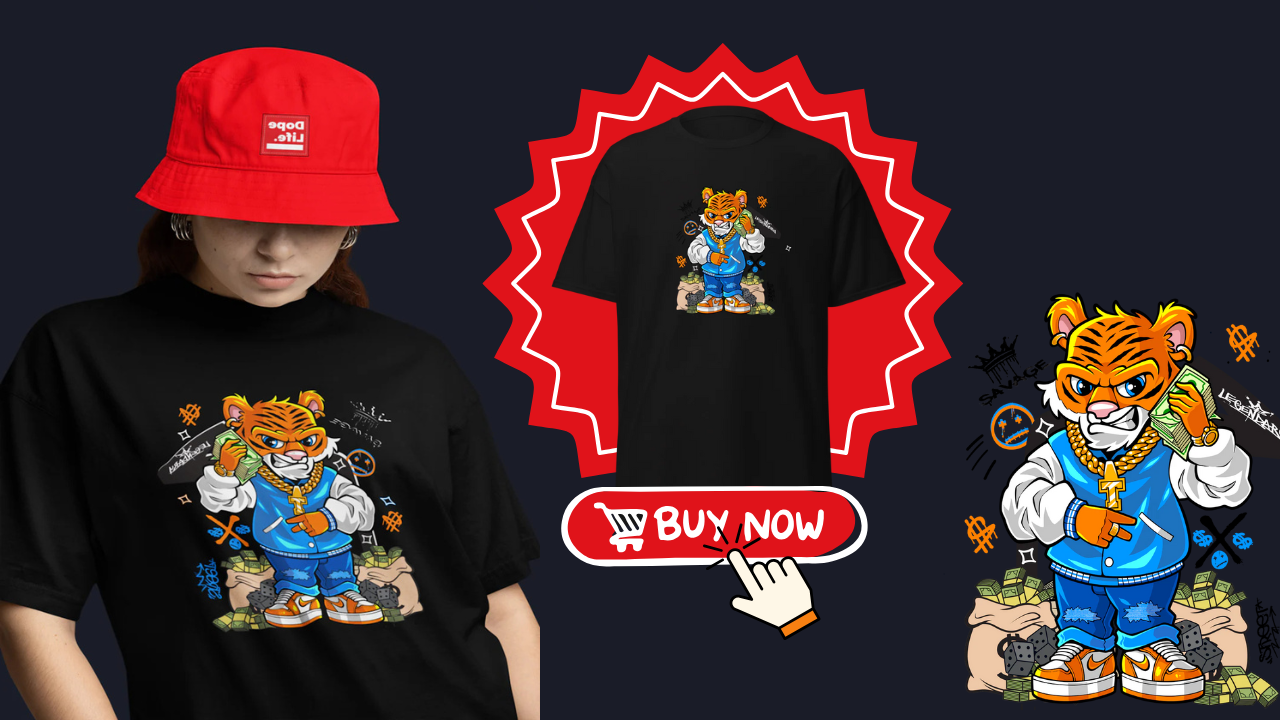
The term "Pop Art" was coined in the 1950s when artists like Andy Warhol and Roy Lichtenstein began using imagery from popular and mass culture in their work. This genre, characterized by its bold colors and commercial motifs, aimed to challenge traditional art perspectives by incorporating elements from advertising, comic strips, and consumer goods.
The proliferation of digital technology has catalyzed pop art's evolution, allowing it to transcend physical boundaries and enter the digital space. This move to digital forms has enormously broadened its reach, appealing to a wider, more globally connected audience.
The Transition to Digital Platforms
The advent of the internet and digital tools has been a game-changer for the pop art industry. The ability to create, display, and sell art online has democratized access to art, making it possible for artists to reach vast audiences without the interference of traditional gatekeepers like galleries and museums.
- Online Galleries: Platforms like Saatchi Art and DeviantArt have emerged, allowing artists to showcase and sell their work globally.
- Social Media: With platforms like Instagram and Pinterest, artists can engage directly with their audience and gain followers and potential buyers.
- Blockchain and NFTs: The rise of non-fungible tokens (NFTs) provides artists with a revolutionary way to authenticate and monetize their digital art.
Moreover, these platforms facilitate the circulation and popularity of digital pop art, making it a sought-after commodity in the contemporary digital marketplace.
Economic Impact of Digital Pop Art
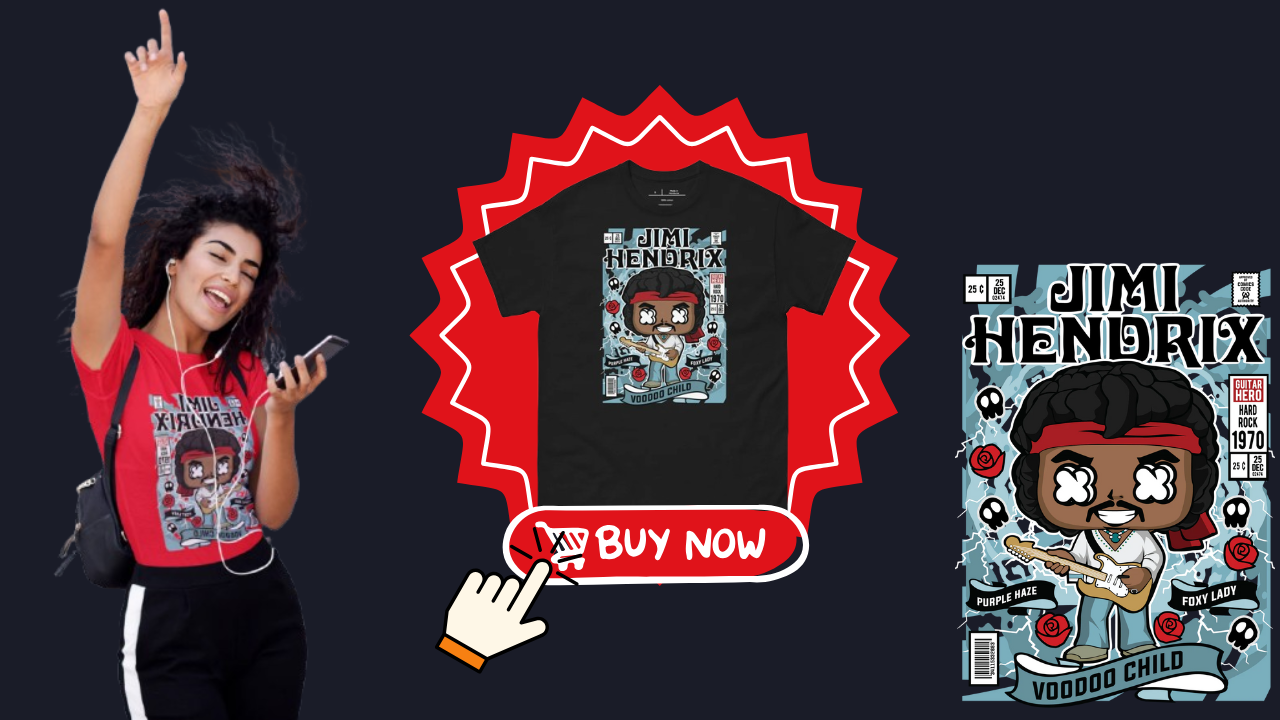
The economic potential of digital pop art is remarkable, with some pieces selling for millions of dollars. This transformation has turned digital pop art into a cornerstone of the digital economy.
- Market Growth: The global art market is projected to continue growing, with digital art spearheading this expansion.
- Investment Potential: Investors see digital art as a lucrative asset, leading to increased financial commitment to digital pop art.
- Artists' Revenue: Many artists now derive significant income through digital means, with some even abandoning traditional art forms entirely.
As the digital pop art sector continues to grow, it not only enriches the economy but also broadens the horizon for future digital artists and art traders.
Technological Innovations in Digital Pop Art
The intersection of art and technology is particularly prominent in digital pop art. Innovations in technology have altered how art is created and consumed, providing diverse opportunities for artists.
- Graphic Design Software: Tools such as Adobe Photoshop and Illustrator have opened new avenues for creativity.
- Virtual Reality (VR): VR provides immersive experiences, allowing audiences to interact with pop art in new and exciting ways.
- Augmented Reality (AR): AR applications transform our interaction with art, offering interactive experiences in both online and offline environments.
These technological advancements not only enhance artistic expression but also significantly increase the engagement and value of digital pop art.
Future Prospects of Digital Pop Art
As we look toward the future, digital pop art shows no signs of slowing down. The continuous evolution of technology and the growing acceptance of digital mediums suggest a positive trajectory for this art form.
- Continued Innovation: Emerging technologies such as Artificial Intelligence (AI) promise to further disrupt and redefine digital pop art.
- Broadening Accessibility: Future platforms may enhance accessibility for both artists and audiences, further democratizing the art world.
- Sustained Growth: With increasing investment and interest, it is likely the digital pop art market will continue progressing rapidly.
Ultimately, digital pop art stands poised to cement its place as a mainstay in both the digital world and the global economy, continually captivating audiences with its unique blend of art, culture, and technology.