How Digital Pop Art Became a Multibillion-Dollar Industry
Digital Pop Art, a vibrant and innovative blend of traditional pop art and digital technology, has transformed from a niche artistic expression into a thriving multimillion-dollar industry. As technology continues to advance, digital pop art has captivated global audiences, disrupting traditional art markets and creating new opportunities for artists and collectors alike. This article explores the fascinating journey of digital pop art, examining the factors driving its success, key players in the industry, and future trends shaping this dynamic field.
Article Outline
- The Origins of Digital Pop Art
- Factors Contributing to the Growth of Digital Pop Art
- Exploring the Multibillion-Dollar Market
- Key Players in the Digital Pop Art Industry
- Impact of NFTs on the Digital Pop Art Scene
- The Future of Digital Pop Art
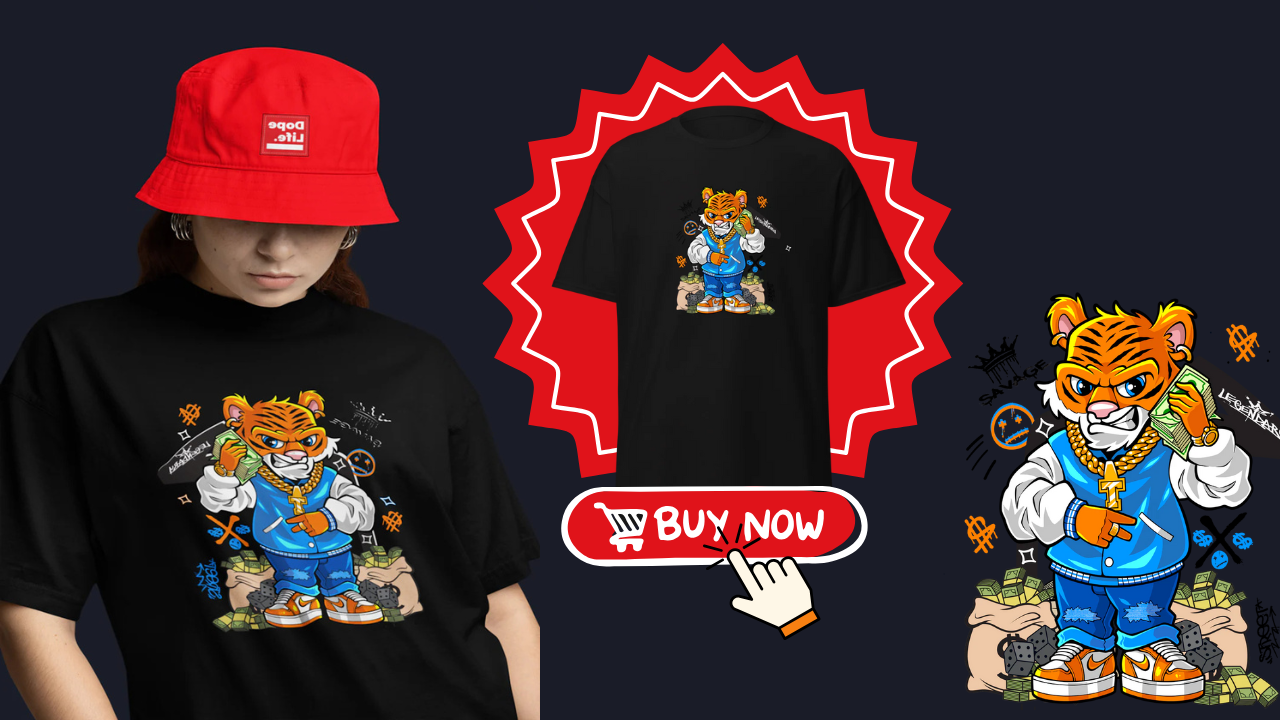
The Origins of Digital Pop Art
Digital Pop Art emerged from the collision of pop art's cultural critique and the rapidly evolving digital landscape. Pop art, popularized by icons like Andy Warhol in the 1960s, used imagery from consumer culture and mass media, critiquing the commercialization of society. As technology advanced, artists began experimenting with digital tools, merging traditional techniques with digital capabilities, giving rise to digital pop art.
Factors Contributing to the Growth of Digital Pop Art
- Technological Advancements: The proliferation of digital tools and platforms has empowered artists to create and share art globally with unprecedented ease.
- Social Media: Platforms like Instagram and Pinterest have become vital in showcasing and promoting digital pop art, facilitating connections between artists and potential buyers.
- Collectibility: Digital pop art's uniqueness and limited editions have increased its collectibility, attracting art enthusiasts and investors alike.
- Accessibility: The digital format allows for extensive scalability, reaching a diverse audience beyond geographical constraints.
Exploring the Multibillion-Dollar Market
The digital pop art market has seen explosive growth, driven by several factors:
- Increased Demand: As cultural trends shift, more people are drawn to digital pop art for its bold visuals and contemporary relevance.
- Rising Investment: Art collectors are increasingly viewing digital pop art as a viable investment opportunity, contributing to the market's growth.
- Online Marketplaces: Platforms like ArtStation and DeviantArt have created new sales channels, enabling artists to reach a global audience.
Key Players in the Digital Pop Art Industry
The industry hosts a variety of influential figures shaping its trajectory:
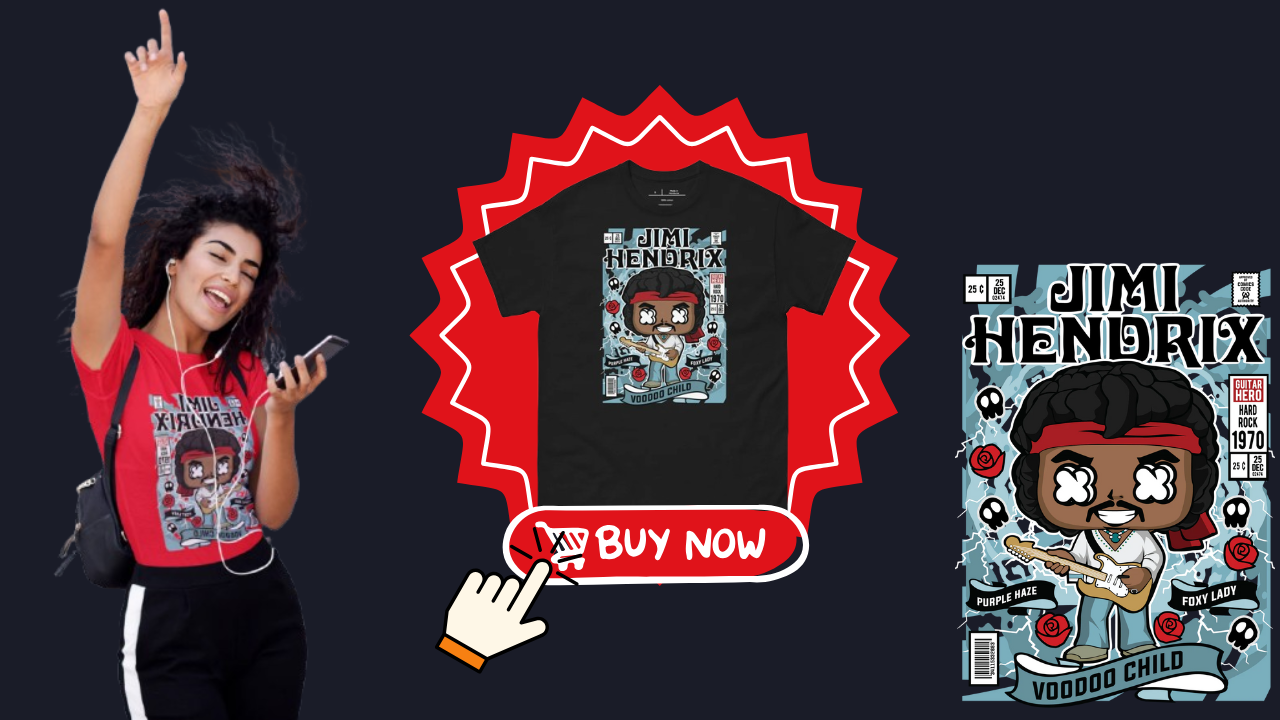
- Artists: Pioneers like Beeple and Pak have disrupted the art world with record-breaking sales of digital works.
- Collectors: High-profile collectors, such as Justin Sun and Metakovan, have driven up the value of digital pop art.
- Platforms: Companies like Nifty Gateway and SuperRare play a crucial role in enabling transactions and promoting digital pop art.
Impact of NFTs on the Digital Pop Art Scene
Non-Fungible Tokens (NFTs) have revolutionized the digital pop art scene by offering a solution to authenticity and ownership concerns. Through NFTs, artists can mint digital artworks with a verifiable record of ownership, elevating the value and security of digital pop art:
- Authenticity: NFTs ensure each piece of art is unique and verifiably owned, increasing buyer confidence.
- Monetization: Artists can earn royalties from secondary sales, providing ongoing revenue streams.
- Innovation: The blockchain technology behind NFTs continues to stimulate creativity and experimentation among digital pop artists.
The Future of Digital Pop Art
With its foundations firmly set, the future of digital pop art holds exciting possibilities:
- Continued Integration of AI: Artists are increasingly incorporating AI technologies to create groundbreaking, interactive art pieces.
- Virtual and Augmented Reality: VR and AR will offer more immersive ways to experience digital pop art, expanding its appeal and accessibility.
- Expanding Cultural Influence: As digital pop art continues to influence mainstream culture, expect its presence in fashion, film, and music to grow.
Digital pop art's revolution is far from over. As technology advances, this dynamic industry will continue to evolve, captivating audiences and redefining the art world's boundaries.