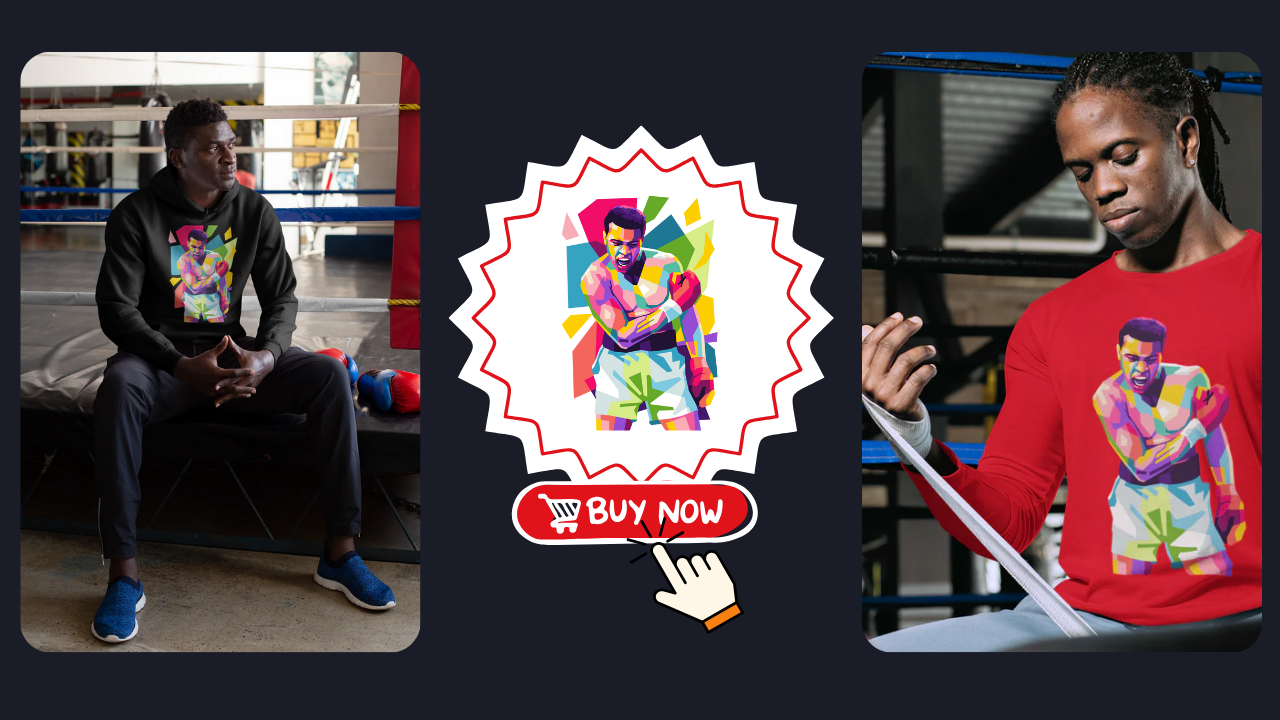
From Graffiti Walls to Streetwear Pop Art’s Urban Journey
Pop Art has long transcended the traditional boundaries of museums and galleries, infiltrating urban environments with a vibrant mix of culture and creativity. This transformative journey from graffiti walls to streetwear not only encapsulates the evolution of Pop Art but also highlights its integral role in shaping modern urban culture. In this article, we delve into how Pop Art transitioned from a rebellious form of street expression to a mainstream fashion phenomenon, ingraining itself deeply within the realm of urban aesthetics.
Graffiti Beginnings
Graffiti formed the cornerstone of urban Pop Art, emerging in the late 20th century as a voice for the underrepresented. Artists like Jean-Michel Basquiat and Keith Haring took the street as their canvas, imbuing graffiti with more than just aesthetic value—it became a form of social commentary. This powerful medium gave rise to a new era of artistic expression that was raw, unfiltered, and inherently rebellious.
- New York City: The birthplace of modern graffiti, becoming the epicenter of this bold art form.
- Influence on Society: Graffiti became a tool for communication, protest, and bringing awareness to socio-political issues.
Transition to Streetwear
As graffiti evolved, its influence began permeating the fashion world, notably impacting streetwear culture. What began as simple designs on walls started manifesting in clothing lines that embodied the same spirit of rebellion and individuality. This transition marked a significant shift, where art was no longer confined to static spaces but became part of a dynamic, lived experience.
- Collaborations: Brands began collaborating with street artists to create limited edition pieces, blurring lines between art and fashion.
- Iconic Brands: Companies like Supreme and Off-White played pivotal roles in this fusion, elevating streetwear to a global phenomenon.
- Clothing as Canvas: Streetwear transformed into a canvas for artistic creativity, allowing self-expression through wearable art.
Pop Icons and Their Influence
The infusion of Pop Art into mainstream culture was further fueled by pop icons who embraced this aesthetic. Celebrities and designers alike started incorporating Pop Art elements into their work, further cementing its place in contemporary fashion.
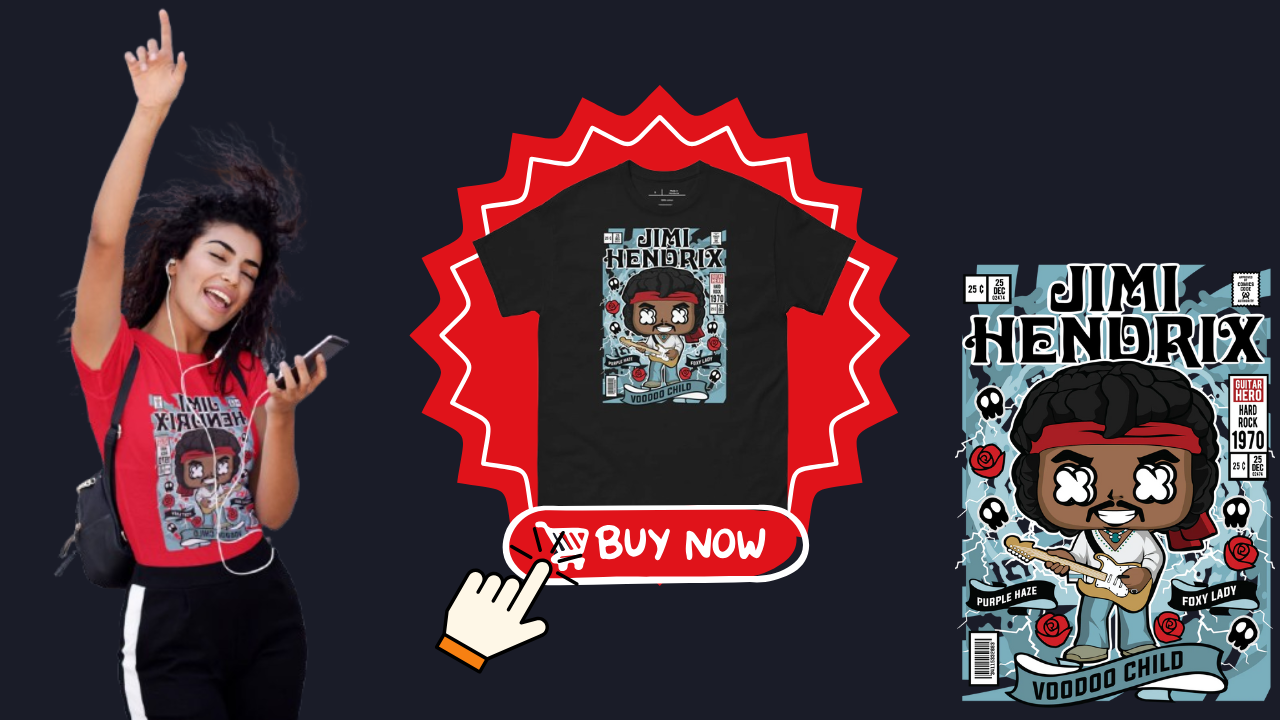
- Influential Figures: Icons like Andy Warhol and Roy Lichtenstein left an indelible mark on fashion and culture.
- Media Representation: Pop Art aesthetics often featured in music videos, television, and films, spreading its influence worldwide.
Urban Culture and Pop Art
Pop Art has had a profound impact on urban culture, serving as a bridge between high art and street culture. It is a reflection of society's ever-evolving relationship with consumerism, technology, and media.
- Expression of Identity: Pop Art allows individuals to express their unique identity within the context of urban life.
- Community Engagement: Street art initiatives and festivals bring communities together, fostering creativity and dialogue.
The Future of Pop Art
As we look to the future, Pop Art continues to evolve, adapting to new digital landscapes and societal changes. With advancements in technology, artists now have unprecedented ways to create and share their work, expanding the boundaries of what Pop Art can be. In the coming years, we can expect more innovations in how Pop Art manifests and influences both art and fashion.
- Digital Evolution: The rise of NFTs and digital platforms offers new avenues for Pop Art dissemination.
- Sustainable Practices: A growing focus on sustainability is prompting artists and brands to rethink consumption and production within this genre.